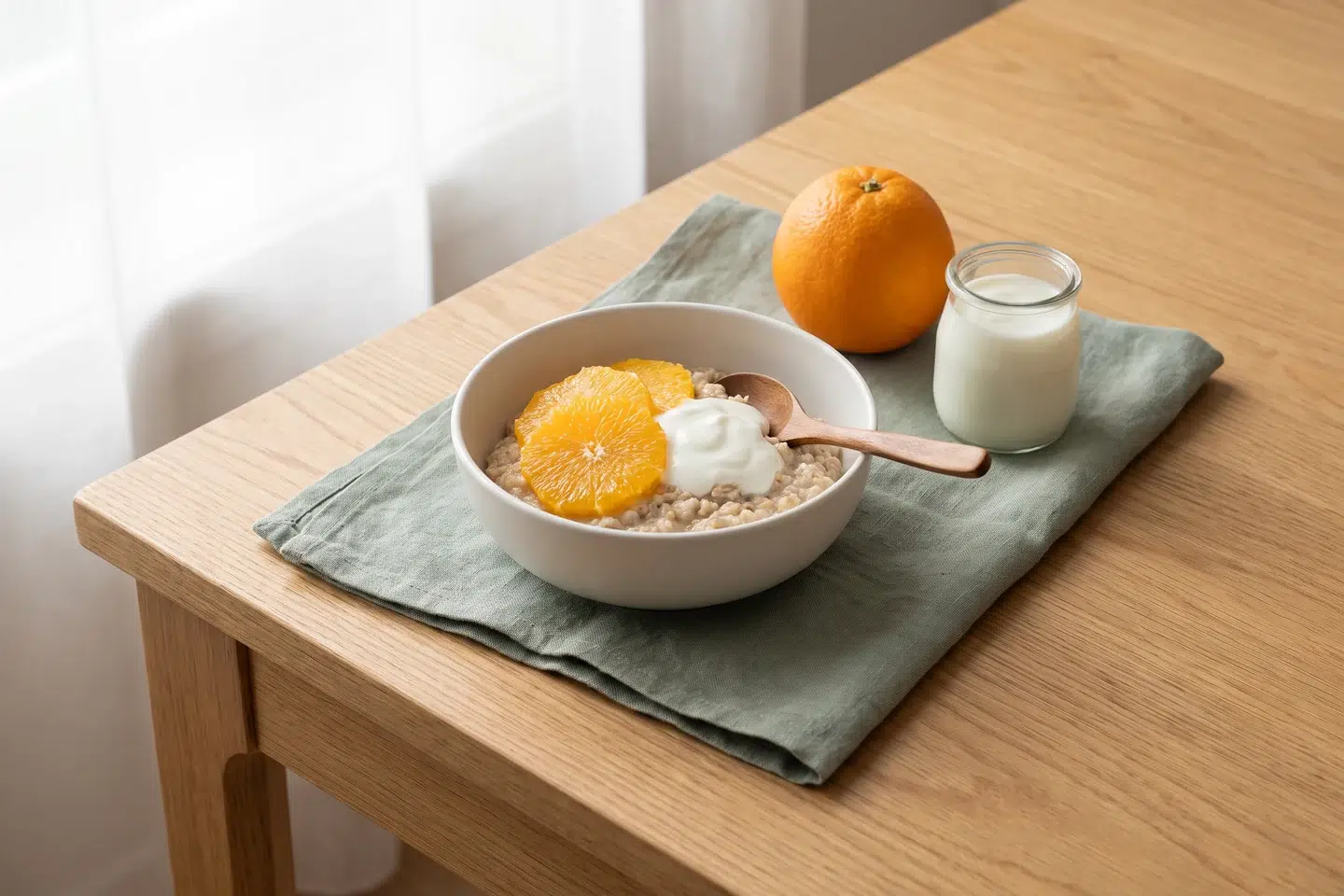
Ishrana kod masne jetre usmerena je na ukupan kvalitet obroka, kontrolu energetskog unosa kada je potrebna i izbegavanje alkohola prema preporuci lekara. Nijedna namirnica ne „čisti” jetru preko noći. U nastavku su praktični izbori hrane, postojeći primer dana i objašnjenje kako da promene povežete sa pregledima, telesnom masom i dugoročnim navikama.
Fatty liver is a common health problem that involves the accumulation of excess fat in the liver. The liver is a very important organ that performs a number of vital functions, including the detoxification of harmful substances, the metabolism of drugs and the creation of important proteins. However, when more than 5-10% of the liver's mass is made up of fat, liver function can become impaired, leading to a disease known as fatty liver disease.
There are two main types of fatty liver disease:
- Alcoholic liver disease – caused by excessive alcohol intake that the liver fails to metabolize;
- Non-alcoholic fatty liver disease (NAFLD) - the result of unhealthy lifestyle habits such as poor diet and lack of physical activity.
It is important to note that having a fatty liver does not necessarily mean that you will develop liver disease. However, when not treated effectively, this condition can progress to serious liver damage, including cirrhosis and liver failure.
Fatty liver disease is becoming more common worldwide, along with the rise in obesity and diabetes type 2. It is currently one of the most common causes of chronic liver disease. Although prescription medications can help clear fatty liver, diet and lifestyle changes are the most effective way.
Diet plays a key role in managing this condition. Certain foods and drinks can improve liver health and help with weight control, which is key to reducing liver fat. At the same time, a healthy lifestyle, which includes regular physical activity and maintaining a healthy weight, is fundamental to the management and prevention of fatty liver disease.
This text aims to provide comprehensive information on what foods to eat and what to avoid when dealing with fatty liver.
What exactly is fatty liver?
Fatty liver or more specifically non-alcoholic fatty liver is usually associated with unhealthy diet, lack of physical activity and obesity. In this condition, liver cells accumulate excess fat, which can disrupt its functions.
Although the presence of fat in the liver is normal, when it is more than 5-10% of the weight of the liver, it is already a sign that the situation is getting out of control. Fatty liver falls into two categories: simple fatty liver and nonalcoholic steatohepatitis (NASH). Simple fatty liver, or steatosis, means you have fat in your liver, but no inflammation or damage to the liver cells. This form of the disease is generally less severe and does not progress or cause liver damage.
On the other hand, NASH is a more serious form of non-alcoholic fatty liver disease. It is characterized by inflammation and damage to liver cells, which can affect liver function. Over time, NASH can lead to serious consequences, including fibrosis (scarring) of the liver, cirrhosis, and even liver cancer.
Diet for fatty liver
Fatty liver diet is the most effective way to prevent and treat this disease. Weight loss, even modest (3-5% of total body weight) can lead to significant improvements in liver health.
Losing weight helps in two ways:
- It reduces the amount of fat in the liver
- It increases the sensitivity of the body's cells to insulin, thereby improving overall metabolic health and reducing the risk of complications.
To achieve sustainable weight loss, you don't just need to eat less, you do you eat right.
Here's what a fatty liver diet should look like:
- Fruits and vegetables is rich in nutrients with low calorie intake. They support overall nutritional quality and support weight loss. In addition, they are rich in antioxidants that can reduce inflammation and liver damage.
- Foods rich in fiber like legumes and whole grains can help control appetite and promote weight loss. Dietary fiber can regulate the body's use of sugar, helping to keep hunger and blood sugar under control.
- Lean proteins like fish, poultry, tofu and legumes can provide essential amino acids without adding extra calories and fat to the diet.
- Reducing food and drink high in sugar, salt, refined carbohydrates and saturated fat is key. These types of foods can lead to weight gain and fat in the liver.
- Avoiding alcohol. Alcohol can cause and worsen liver damage, so it should be avoided completely or limited to very small amounts.
It is important to note that the diet should not only focus on weight loss, but the diet should be balanced, varied and enjoyable to ensure long-term adherence.
What to include in your diet
Coffee reduces the abnormal secretion of liver enzymes
Coffee, beloved for its rich taste and stimulating properties, is also known for its health benefits. Regular coffee consumption is associated with a reduced risk of developing non-alcoholic fatty liver disease and a reduction in the progression of liver fibrosis if it has already been diagnosed. In addition, caffeine reduces the number of abnormal liver enzymes in people at risk of liver disease, potentially providing a protective effect.
Zeleno povrće smanjuje količinu masti u jetri
Green leafy vegetables, such as spinach, are rich in essential nutrients and compounds that can fight fatty liver disease. Research has shown that they prevent the accumulation of fat in the liver, thanks to their high content of nitrates and unique polyphenols. These substances have antioxidant properties that protect the liver from damage and help its overall health.
Beans and soybeans can help protect the liver
Beans and soybeans are nutrient-dense foods that can play a significant role in promoting a healthy liver. Legumes, such as lentils, chickpeas, and peas, contain resistant starches that improve gut health and potentially lower blood glucose and triglyceride levels. Soy in particular is a rich source of protein and can protect the liver thanks to its high content of b-conglycinin, which is known to lowers triglyceride levels.
Oily fish provide an excellent source of omega-3
Fish, especially fatty ones such as salmon, sardines and trout, are high in omega-3 fatty acids. These fatty acids are known to reduce inflammation and fat levels in the liver, increase protective HDL cholesterol and lower levels of harmful triglycerides, thereby promoting a healthy liver.
Oatmeal is an excellent source of fiber
Ovsena kaša je hrana bogata hranljivim sastojcima i bogata vlaknima povezana sa smanjenim rizikom od bolesti povezanih sa masnom jetrom. Ishrana bogata vlaknima, poput one koju obezbeđuje ovas, može biti korisna za one sa NAFLD, jer pomaže u kontroli nivoa šećera u krvi i pomaže u kontroli težine.
Nuts reduce the inflammatory process
Nut consumption is associated with reduced inflammation, insulin resistance and oxidative stress - all factors that can affect liver health. Walnuts have been found to improve liver function, making them a useful addition to the diet.
Kurkuma i njeno dejstvo na jetru
Kurkuma kao začin nije dokazano sredstvo za oporavak masne jetre. Rezultati istraživanja dodataka ne mogu se preneti na svaki proizvod niti na svakog pacijenta. Ne uvodite koncentrovani ekstrakt bez razgovora sa lekarom, posebno ako već imate bolest jetre ili uzimate više lekova.
Suncokretove semenke kao izvor vitamina E
Sunflower seeds are an excellent source of vitamin E, an antioxidant often used in the treatment of NAFLD. The antioxidant properties of vitamin E can help protect the liver from damage, making sunflower seeds a useful addition to the diet.
Foods to avoid
Alcohol is a known liver toxin that can cause inflammation and damage to liver cells, leading to fatty deposits. Even in people without alcoholic fatty liver disease, alcohol can accelerate the progression to more severe liver disease. Therefore, eliminating or significantly reducing alcohol intake is key.
Add sugar, especially fructose, significantly contributes to the accumulation of fat in the liver. High consumption of sugar-sweetened beverages and processed foods can lead to weight gain and liver damage.
Fried food is high in unhealthy fats and calories, which contribute to weight gain and obesity, both of which are risk factors for fatty liver. The process of frying food can produce harmful compounds that can cause inflammation and liver damage. Therefore, avoiding fried foods can be beneficial for people with fatty liver.
High salt intake can lead to water retention and high blood pressure. Both can worsen liver damage and contribute to the accumulation of fat in the liver. Reducing sodium intake by avoiding processed foods and limiting the use of table salt can help control fatty liver.
White bread, rice and pasta are refined carbohydrates, which means they lack the fiber found in whole grains. These foods can cause spikes in blood sugar and contribute to weight gain. Switching to whole grain alternatives can help manage blood sugar levels and maintain liver health.
Red meat is rich in saturated fat and cholesterol, which can contribute to the accumulation of fat in the liver. In addition, red meat can stimulate inflammatory processes in the body.
Kako birati hranu kod masne jetre?
Izbor hrane treba da bude održiv i usklađen sa nalazima, a ne zasnovan na jednoj „lekovitoj” namirnici. Prednost imaju manje prerađeni obroci, dovoljno povrća i odmerene porcije. Ako je potrebno smanjiti telesnu masu, promena se planira postepeno; naglo gladovanje nije način da jetra brže ozdravi.
| Grupa | Praktičan izbor | Na šta obratiti pažnju |
|---|---|---|
| Vegetables | Raznovrsno uz glavne obroke | Pohovanje i mnogo dodatne masti |
| Fruit | Celo voće u odgovarajućoj porciji | Često ceđenje većih količina u sok |
| Cereals | Ovas, heljda, integralni hleb | Velike porcije peciva i slatkih žitarica |
| Legumes | Pasulj, sočivo, leblebije | Obilna zaprška i prerađeno meso |
| Fish | Pečena ili kuvana | Često pohovanje |
| Meso | Nemasni komadi u odmerenoj porciji | Prerađeno meso i velike masne porcije |
| Dairy products | Nezaslađeni, prema potrebama | Mnogo dodatog šećera |
| Fats | Odmereno maslinovo ulje | Velike količine čvrstih masti |
| Nuts | Manja porcija neslanih plodova | Grickanje direktno iz velikog pakovanja |
| Napici | Voda, nezaslađeni čaj | Zaslađeni napici |
| Alcohol | Postupiti po preporuci hepatologa | Ne tražiti „zaštitu jetre” u hrani uz alkohol |
| Dodaci ishrani | Samo kada postoji jasan razlog | Detoks proizvodi i koncentrovani biljni ekstrakti bez procene |
Izvor principa lečenja: NIDDK — masna jetra. Primeri su urednička primena, ne individualni plan.
Mediteranska dijeta može poslužiti kao okvir za raznovrsnost. Kod istovremene insulinske rezistencije pogledajte spisak odgovarajućih namirnica.
Sample Diet Plan for Fatty Liver
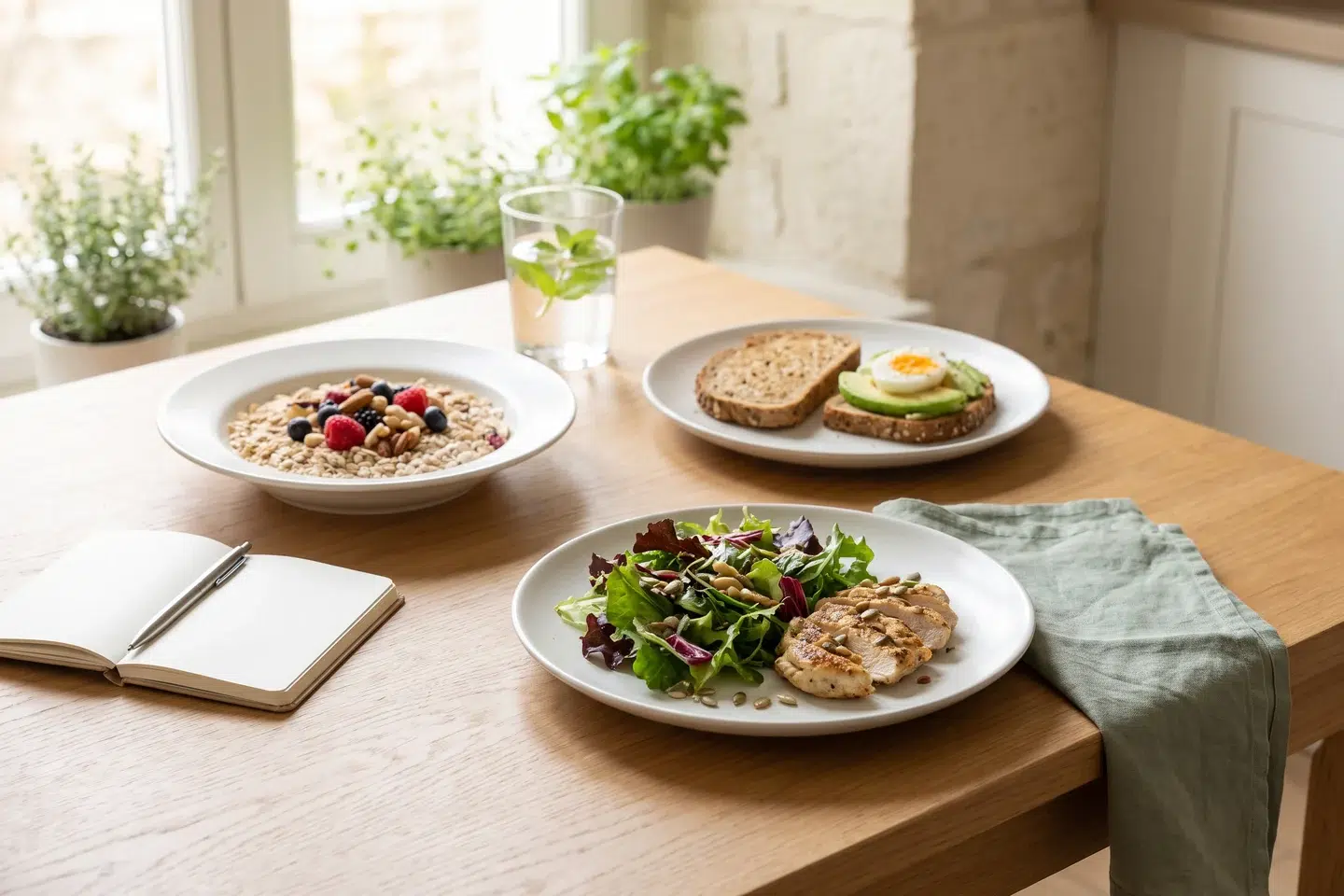
Meal planning can be challenging, especially when you're trying to stick to certain dietary guidelines. Here is an example of what a daily menu could look like if you are struggling with fatty liver:
Breakfast
250 ml of warm oatmeal mixed with 10 g of almond butter, 15 g of chia seeds and 150 g of mixed berries. With a cup of black coffee or green tea. This meal provides a good balance of fiber, protein, healthy fats and antioxidants.
Lunch
Spinach salad with balsamic vinegar and olive oil dressing, 85 g of grilled chicken, 1 small baked potato and 150 g of cooked broccoli, carrots or other vegetables of your choice. This meal offers a blend of lean protein, fiber and a range of vitamins and minerals.
Snack
15 g of peanut butter on sliced apples or 30 g of hummus with raw vegetables. These snacks offer a balance of protein, fiber and healthy fats to keep you full.
Dinner
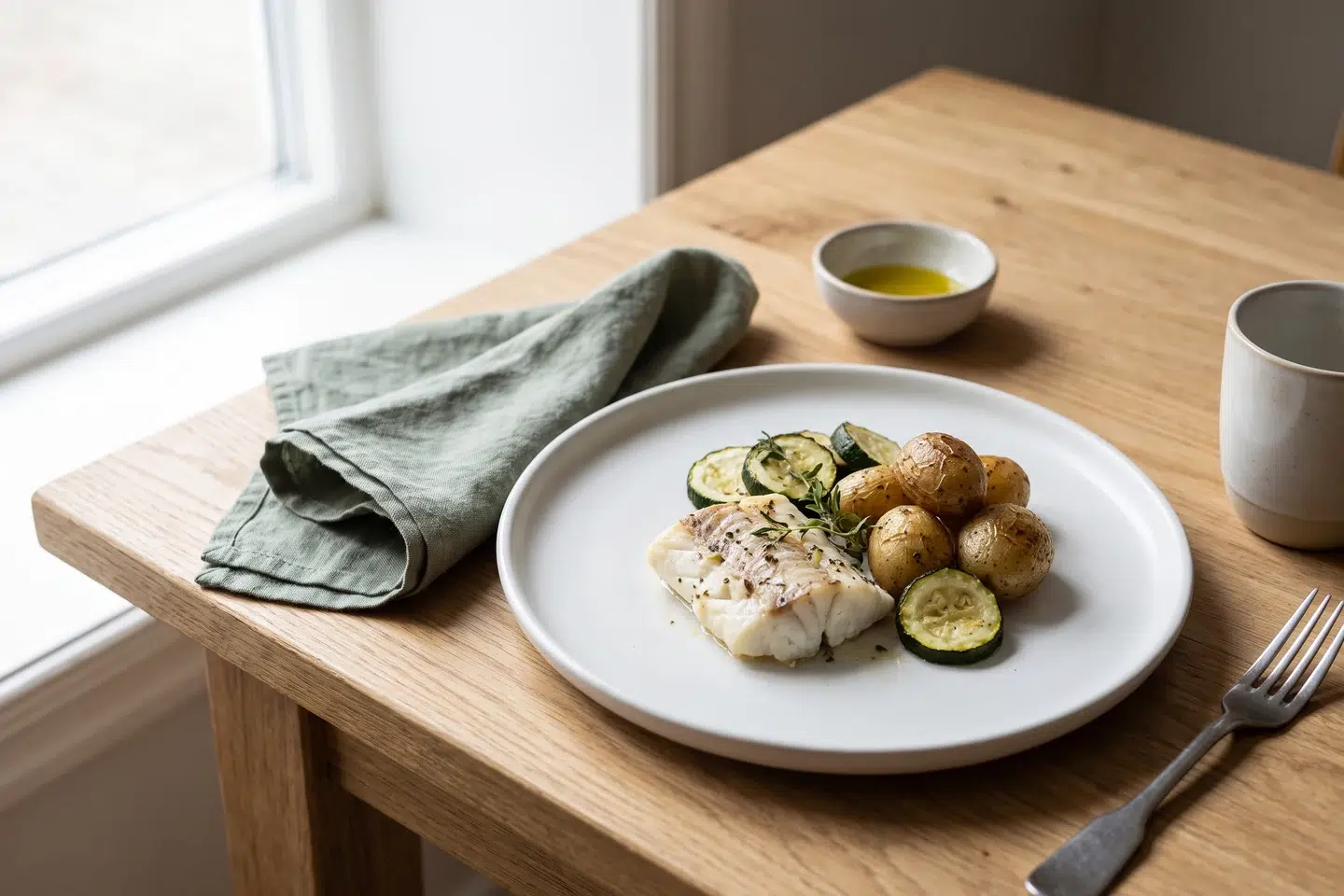
Small mixed bean salad, 85g grilled salmon, 150g cooked broccoli, 150g cooked quinoa and 150g mixed berries. This meal contains omega-3 fatty acids from salmon, fiber from beans and quinoa, and various antioxidants from berries.
Kako planirati ishranu za narednih sedam dana?
Nedeljni plan treba da rasporedi obroke prema vašim potrebama i mogućnostima pripreme. Postojeći primer dana je polazna ideja, ali njegova ukupna energija nije potvrđena bez tačnih porcija i receptura. Za cilj mršavljenja proverite kalorijski deficit, a unos hrane bogate vlaknima povećavajte postepeno.
Additional lifestyle changes to manage fatty liver
While diet plays a key role in regulating liver fat, other lifestyle changes also contribute significantly to improving health.
The importance of physical activity
Regular physical activity helps with weight control, reduces insulin resistance and promotes a healthier liver. It is recommended that you engage in moderate-intensity physical activity for at least 30 minutes a day, such as brisk walking, swimming or cycling.
Controlling blood lipid levels
High level of lipids in the blood, incl cholesterol and triglycerides, is also bad for the liver. Monitoring your saturated fat and sugar intake can help keep these levels under control. If lifestyle changes are not enough to manage lipid levels, your doctor may suggest medication.
Conclusion
Nonalcoholic fatty liver disease is a serious condition with potentially serious health consequences. However, with proactive diet and lifestyle modifications, it is possible to manage and even reverse the course of this disease.
A diet rich in whole grains, lean protein, healthy fats, and a variety of fruits and vegetables can significantly reduce the amount of fat stored in your liver. In the meantime, limiting your intake of alcohol, added sugars, fried foods, salt and refined grains can help prevent further damage.
Sprovedite svoj plan uz manje svakodnevnog kuvanja
Ako ste sa stručnjakom dogovorili promene ishrane kod masne jetre, gotovi obroci mogu da olakšaju njihovu organizaciju. Pogledajte Hello Balance ponudu i poručite paket nakon usklađivanja sastava i porcija sa svojim planom. Program je usluga pripreme hrane, a nije terapija za masnu jetru.
Najčešća pitanja
Šta se ne sme jesti kod masne jetre?
Prioritet je ograničenje zaslađenih napitaka, viška energije i hrane sa mnogo zasićenih masti. Alkohol procenite sa lekarom, a kod uznapredovale bolesti izbegavajte ga. Ne postoje pojedinačne namirnice koje automatski poništavaju bolest ili zamenjuju ukupnu promenu ishrane.
Koliko brzo se masna jetra povlači uz promenu ishrane?
Vreme oporavka nije isto za sve i ne može se odrediti samo iz jelovnika. Zavisi od stepena bolesti, promene mase, aktivnosti, alkohola i pratećih stanja. Poboljšanje enzima ne dokazuje samo po sebi da nema fibroze; kontrole određuje lekar.
Da li kafa pomaže kod masne jetre?
Istraživanja povezuju konzumiranje kafe sa nekim povoljnijim pokazateljima bolesti jetre, ali kafa nije terapija niti obavezna za svakog pacijenta. Ako izaziva nesanicu, lupanje srca ili želudačne tegobe, prilagodite unos. Šećer i kremasti dodaci menjaju sastav napitka.
Da li se sme piti alkohol kod masne jetre?
Alkohol može dodatno oštetiti jetru. Količinu i potrebu za potpunim izbegavanjem usaglasite sa lekarom prema tipu i težini bolesti. Kod značajne fibroze ili ciroze ne treba tražiti „bezbedan” izuzetak u izboru hrane ili vrste alkohola.
Koliko kilograma treba da se skine da bi se stanje popravilo?
Kod osoba sa viškom mase i metaboličkom masnom jetrom već gubitak oko 3–5% može smanjiti masnoću u jetri, a veći gubitak može biti potreban za zapaljenje i fibrozu. Cilj nije isti za sve. Mršavljenje treba da bude postepeno i praćeno stručno.
Koje analize pokazuju masnu jetru?
Procena uključuje razgovor, pregled, laboratorijske nalaze i odgovarajuće snimanje, a po potrebi procenu fibroze. Jetreni enzimi sami ne potvrđuju niti isključuju bolest. Lekar bira pretrage prema riziku, simptomima i prethodnim nalazima, umesto samostalnog zaključivanja iz jedne vrednosti.
Izvori
Sadržaj je informativan i ne zamenjuje pregled, dijagnozu ili individualni plan lečenja. Promene ishrane uskladite sa lekarom ili nutricionistom, naročito ako imate hronično oboljenje, uzimate terapiju, trudni ste ili dojite.