Cholesterol, simply put, is a fat that is the main component of cell membranes and allows maintaining the normal shape of the cell. There is a difference between "bad" cholesterol (LDL) and "good" cholesterol, and if not controlled, they can have harmful effects on your health.
Elevated blood cholesterol levels increase the risk of heart disease and stroke. Globally, a third of heart disease is attributed to high cholesterol. Overall, it is estimated that elevated cholesterol causes 2.6 million deaths (4.5% of the total).
Good news is that changing the foods you eat can lower your cholesterol and improve the armada of fats moving through your bloodstream. Adding foods that lower the level of bad cholesterol, the harmful particles that carry cholesterol and contribute to atherosclerosis that clogs the arteries, is the best way to regulate blood cholesterol.
Keep reading and find out which diet will help you to live a healthier life.
What is LDL cholesterol?
LDL cholesterol is often called "bad" cholesterol because it collects in the walls of blood vessels, increasing the chances of health problems such as a heart attack or stroke.
However, cholesterol is not necessarily dangerous. Your body actually needs cholesterol to make healthy cells and hormones.
Cholesterol in the blood comes from two sources: the food you eat and your liver. Your liver makes all the cholesterol you need. Cholesterol and other fats are carried in your bloodstream as spherical particles called lipoproteins.
Bad cholesterol is actually a small blob composed of the outer edge of lipoproteins with a cholesterol center. That spot has the full name "low-density lipoprotein", i.e. - LDL (eng. Low-density lipoprotein).
Most of the cholesterol in your body is LDL, or bad cholesterol. The rest is high-density lipoprotein (HDL) or "good" cholesterol. Good cholesterol carries bad cholesterol to your liver, where it is eliminated from the body. A high level of good cholesterol, or HDL, can protect you from heart attack and stroke - that's the main difference between good cholesterol and bad cholesterol.
Normal cholesterol values are 1.55-4.53 mmol/L.
What are triglycerides?
Triglycerides are an important measure of heart health, or fats (lipids) in your blood.
If you watch your blood pressure and cholesterol level, you should also monitor your triglycerides.
High levels of triglycerides in the blood can increase the risk of heart disease, because triglycerides are stored in your fat cells. Later, hormones release triglycerides for energy between meals.
If you regularly eat more calories than you burn, especially from foods high in carbohydrates, you may have high triglycerides (hypertriglyceridemia).
What is considered a normal triglyceride level?
A simple blood test can reveal whether your triglycerides fall within a healthy range:
- Normal - less than 150 milligrams per deciliter (mg/dl), or less than 1.7 millimoles per liter (mmol/l)
- On the border of high - 150 to 199 mg/dl (1.8 to 2.2 mmol/L)
- High – 200 to 499 mg/dL (2.3 to 5.6 mmol/L)
- Very high – 500 mg/dL or more (5.7 mmol/L or more)
Why are triglycerides important for cholesterol?
Typically, your doctor will usually check for high triglycerides as part of a cholesterol test, sometimes called a lipid panel or lipid profile.
We will emphasize: You will need to fast before the blood draw for an accurate triglyceride measurement.
Diet for lowering LDL cholesterol
When it comes to cholesterol, diet means regulation various foods - some foods are rich in polyunsaturated fats, which directly lower bad cholesterol. In addition, there are foods that contain plant sterols and stanols, which block the body from absorbing cholesterol.
A diet that supplies you with soluble fiber is ideal for cholesterol regulation, because fiber binds cholesterol and its precursors in the digestive system and removes them from the body before they enter the circulation.
We will list some of the foods. which have been shown to be good for cholesterol regulation.
Oats
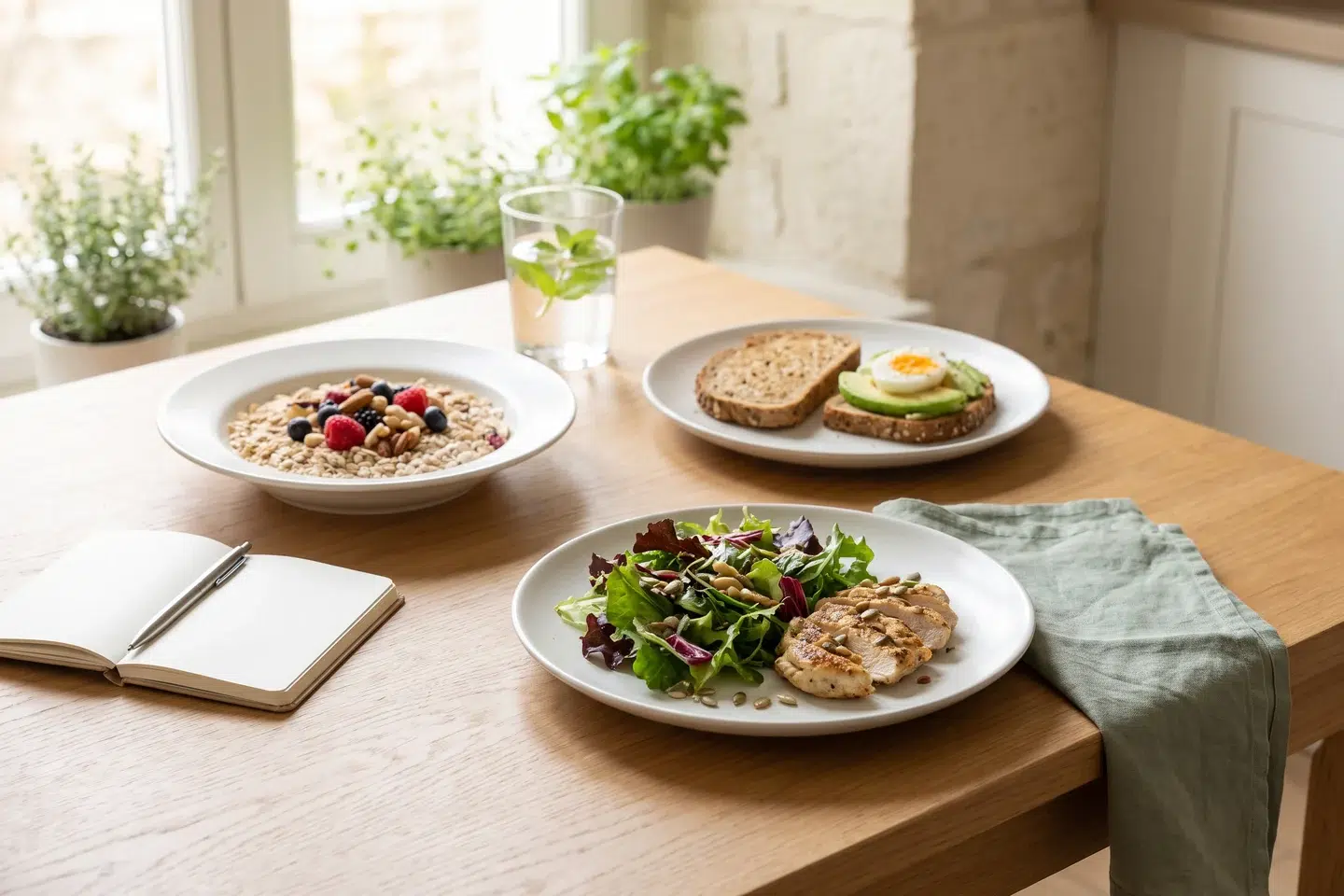
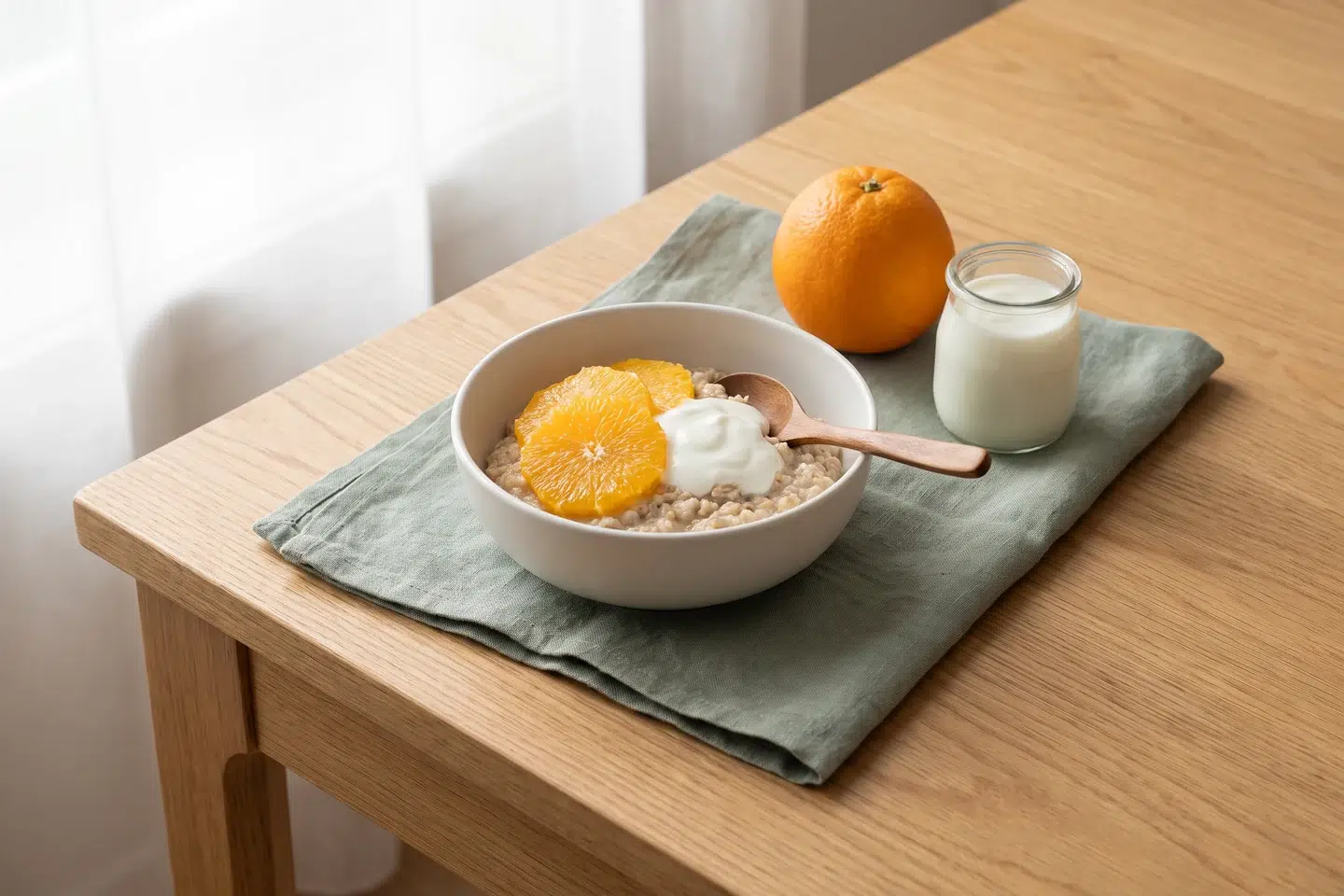
The first step in a cholesterol-lowering diet is oatmeal and cereal for breakfast. That will give you 1 to 2 grams of soluble fiber. Add a banana or some strawberries for another half gram. Current dietary guidelines for cholesterol management recommend 20 to 35 grams of fiber per day, with at least 5 to 10 grams coming from soluble fiber.
Beans
Beans are especially rich in soluble fiber. They also take some time for the body to digest, which means you feel full longer after a meal. That's one of the reasons why beans useful food for people trying to lose weight, and at the same time help cholesterol regulation.
Nuts
Many studies show that eating almonds, walnuts, peanuts and other nuts is good for the heart. Consuming 50 grams of walnuts per day can reduce bad cholesterol by about 5%. Walnuts have additional nutrients that protect the heart in other ways as well.
Studies on nut consumption have shown that consuming them can improve blood pressure and reduce inflammation, both factors that can contribute to heart disease.
Food enriched with sterols and stanols
Sterols and stanols extracted from plants, as we mentioned in the text above, they increase the body's ability to absorb cholesterol from food. Plant stanols and plant sterols are found naturally in a range of plant foods such as beans, lentils, grains, vegetable oils, seeds and nuts.
They are also available as food supplements.
Intake of 2 grams of plant sterols or stanols per day can reduce LDL cholesterol by about 10%.
Soybean
Eating soy and foods made from it, such as tofu and soy milk, was once considered a powerful way to lower cholesterol. Analyzes show that the effect is actually more modest, but still remarkable - consuming 25 grams of soy protein per day can reduce bad cholesterol by 5% to 6%.
Oily fish
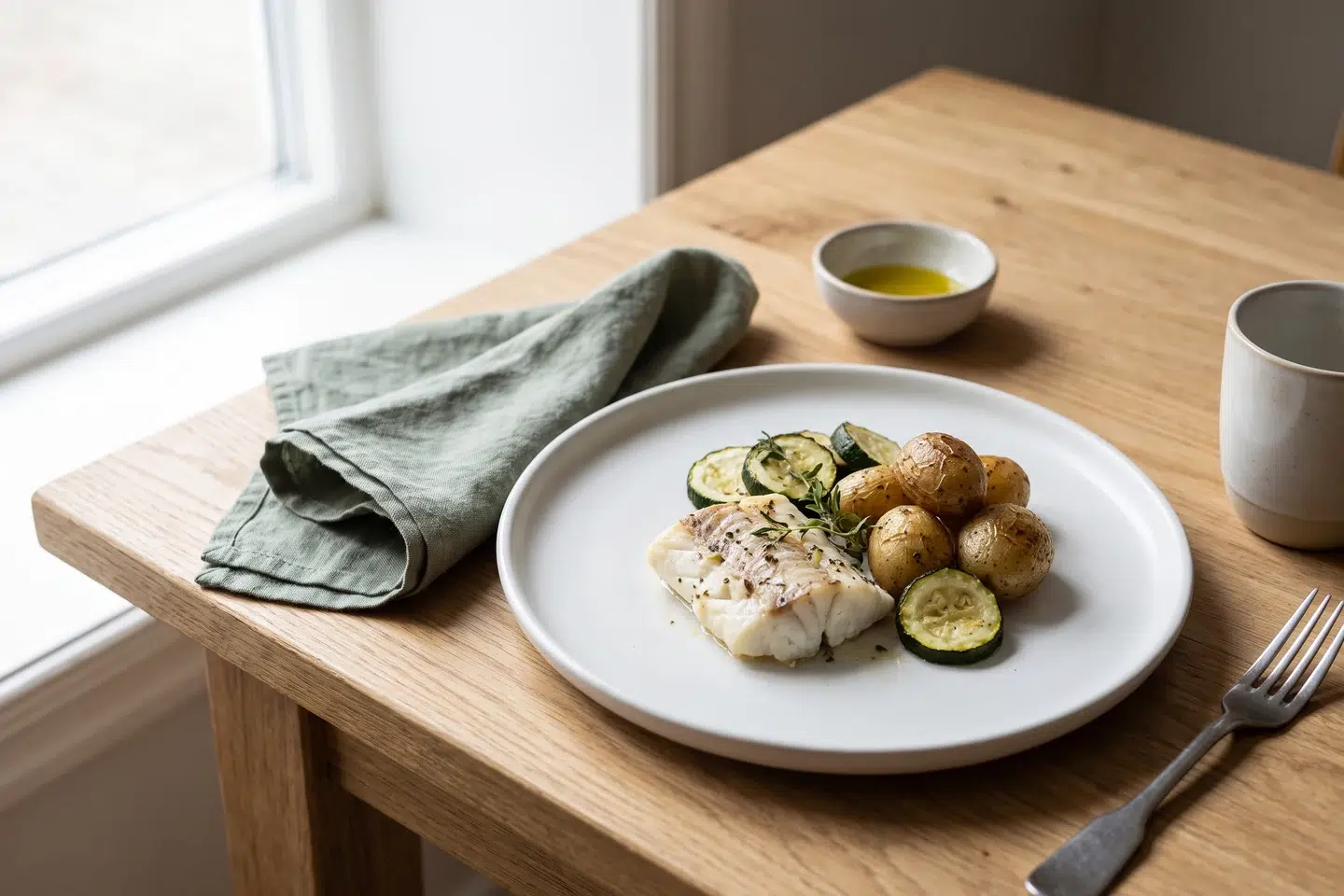
Eating fish two or three times a week can reduce bad cholesterol in two ways: fish is an alternative to meat that has saturated fats that raise LDL, and it supplies the body with omega-3 fats that lower LDL.
Omega-3s reduce blood triglycerides and protect the heart by preventing abnormal heart rhythms.
Avocado
Avocado is a very powerful source of nutrients as well as monounsaturated fatty acids (MUFA). Therefore, it should not be surprising that avocado is also known as super food, so as such it is entered the Guinness Book of Records.
Research suggests that adding avocados to your daily diet is heart-healthy, and may help improve LDL cholesterol levels in people who are overweight.
Try adding avocado slices to salads and sandwiches, or eating them as a side dish with a meal. Also try guacamole with raw vegetables, such as cucumber.
Replacing saturated fats, such as those found in meat, will help regulate your blood cholesterol. Monounsaturated fatty acids, which avocados are rich in, are part of what makes the Mediterranean diet so healthy.
Foods to avoid if you have high blood cholesterol
Pay attention not only to the amount of fat in the diet, but also to what types of fat enter the body. Each form of fat affects cholesterol levels differently:
- Saturated fats - mainly appear in meat and dairy products. They stimulate the liver to produce more bad cholesterol.
- Unsaturated fats - they are more common in fish, plants, nuts, seeds, beans and vegetable oils. Certain unsaturated fats can help increase the rate of absorption and breakdown of bad cholesterol in the liver.
- Trans fats – these are vegetable oils. Manufacturers usually use an artificial process called hydrogenation. Fried foods, baked goods and packaged foods often contain trans fats.
Experts agree that the most effective dietary approach to lowering blood cholesterol is to choose foods that contain unsaturated fats over those that contain saturated or trans fats.
Only animal products contain cholesterol itself, because the production of cholesterol requires the liver. However, cholesterol content should be less of a concern than fat content.
Foods that contain cholesterol and are best avoided include:
- red meat
- sausage
- bacon
- organ meats, such as kidneys and liver
Composition of diet for blood cholesterol regulation
Experts advise: Adding a few cholesterol-lowering foods should work better than focusing on one or two foods each day.
For example, a vegetarian diet significantly lowers LDL, i.e. bad cholesterol, as well as triglycerides and blood pressure. That's because the key dietary components are plenty of fruits and vegetables, whole grains instead of highly refined ones, and proteins that come mostly from plants.
Add margarine enriched with vegetable sterols; oats, barley, psyllium, okra and eggplant. Also, include in your diet foods rich in soluble fiber such as soy protein and whole almonds.
Lowering blood cholesterol requires your daily attention. Although you can indulge in occasional eating outside of your cholesterol-regulating diet, It is crucial to remember: expanding the variety of foods you have on your table and getting used to new textures and tastes is something that will keep you going.
However, it is a natural way to lower cholesterol and avoiding other chronic problems, so you will live healthier and feel better.
Equally important, a diet rich in fruits, vegetables, beans and nuts is good for the body in ways that not only lower cholesterol, but also keep blood pressure under control. A cholesterol-regulating diet helps arteries stay flexible and responsive, and is good for bones, digestive health, vision, and mental health.
That is why we have prepared a special weekly menu for you which we can deliver every day to your home address, and all you have to do is enjoy the delicious meals whether you want to you are losing weight or help a healthy balance of your body.