Insulin resistance it is a condition when the body's cells become less sensitive to the action of insulin, the hormone that regulates blood sugar levels. This metabolic disorder affects an increasing number of people today and often precedes the development of more serious health problems such as type 2 diabetes. The good news is that insulin resistance can be successfully controlled, and proper nutrition in insulin resistance plays a key role in this process. In this guide, we'll explain in detail how a diet to treat insulin resistance can help fight insulin resistance and improve your health.
The Fitt Pro Team has prepared a special selection of its products Bye-bye Weight and Hello Balance for people with insulin resistance. Our meals will help you neutralize the effects of insulin resistance while enjoying delicious, balanced food.
Continue reading to learn about the relationship between insulin resistance and diet and how a diet should be designed to treat insulin resistance.
What is insulin resistance and how does it occur?
Insulin resistance is a condition in which the cells of the body become resistant to insulin and do not respond adequately to this hormone. Under normal circumstances, insulin helps glucose from the blood enter the cells where it is used as energy. However, in insulin resistance, cells do not respond effectively to insulin, leading to increased blood sugar levels and increased insulin secretion.
Insulin resistance occurs when the body is exposed to continuously high levels of insulin, most often due to a diet rich in processed carbohydrates and saturated fat. Over time, cells become less sensitive to insulin and more and more insulin is needed to maintain normal blood glucose levels.
The most common causes and risk factors for insulin resistance
Risk factors for developing insulin resistance include:
- Overweight or obesity
- Physical inactivity
- Genetic predisposition
- Improper diet - excessive intake of processed carbohydrates
- Chronic stress
- Sleep disorders
- Aging
Symptoms of insulin resistance that you should not ignore
Recognizing the symptoms of insulin resistance is important for early detection and treatment. Some of the most common symptoms are:
- Increased hunger and thirst
- Fatigue and lack of energy
- Difficulty concentrating
- Increased waist circumference
- Dark spots on the skin (acanthosis nigricans)
- High blood pressure
- Elevated levels of triglycerides and cholesterol
- Frequent urinary tract infections
If you notice more of these symptoms, especially if you have a family history of diabetes, it's important to see your doctor. Early detection of symptoms of insulin resistance and timely action can prevent the development of more serious conditions.
What laboratory analyzes are required for diagnosis?
To confirm insulin resistance, the following analyzes are recommended:
- Blood Glucose Test – measures blood sugar levels after an overnight fast.
- OGTT (Oral Glucose Tolerance Test) – shows how the body reacts to glucose intake.
- HOMA-IR indeks – koristi nivo glukoze i insulina u krvi za procenu insulinske rezistencije.
- Blood insulin levels – elevated insulin levels may indicate reduced insulin sensitivity.
How blood sugar and insulin work in a healthy body
To better understand insulin resistance, it is important to know how insulin and blood sugar normally work. When we eat food, especially food rich in carbohydrates, it is broken down into glucose that enters the bloodstream. A rise in blood glucose levels stimulates the pancreas to release insulin.
Insulin acts as a "key" that opens the "door" on the cells, allowing glucose to enter and provide energy. In a healthy organism, this process works efficiently:
- We consume food.
- Blood glucose levels are rising.
- The pancreas releases insulin.
- Insulin helps cells absorb glucose
- Blood sugar and insulin levels return to normal
This balance is crucial for maintaining stable energy levels and metabolic health.
What causes insulin resistance?
Insulin resistance is a complex process that develops over time. The main factors that contribute to its emergence are:
Too much sugar and processed carbohydrates: Constant intake of foods that cause a rapid spike in blood sugar leads to chronically elevated insulin levels.
Visceral fat: Adipose tissue around internal organs (visceral fat) is particularly active in the production of hormones and substances that lead to insulin resistance.
Chronic inflammation: Inflammatory processes in the body can disrupt the normal function of insulin and contribute to the development of insulin resistance.
Lack of physical activity: Regular physical activity improves insulin sensitivity and reduces the risk of developing insulin resistance.
Genetic factors: Some people have a genetic predisposition to develop insulin resistance.
Lack of sleep and chronic stress: Both factors affect hormones that regulate appetite and glucose metabolism.
Nutrition for the treatment of insulin resistance: Basic principles
Proper nutrition is the foundation in the fight against insulin resistance. Here are some key principles of what a diet to treat insulin resistance should look like:
Control of glycemic load: The focus should be on foods with a low glycemic index that do not cause a sudden spike in blood sugar.
Balancing macronutrients: Each meal should contain an appropriate balance of protein, healthy fats and complex carbohydrates.
Regularity of meals: Regular meals help keep blood sugar and insulin levels stable.
Portion size control: Even healthy foods can contribute to insulin resistance if consumed in excess.
Increased fiber intake: Fiber slows down the absorption of sugar and helps keep blood glucose levels stable.
Reducing processed foods: It is recommended to significantly limit the intake of processed carbohydrates and saturated fats.
How to balance the intake of carbohydrates, proteins and fats?
- Carbohydrates – Focus on carbohydrates with a low glycemic index, such as legumes, whole grains and fiber-rich vegetables. Limit the intake of processed carbohydrates and sugar, which can cause a spike in blood sugar.
- Protein – Fish, chicken, eggs, nuts and legumes are good choices. Proteins slow down the absorption of glucose in the blood and help maintain stable blood sugar levels.
- Fats – Unsaturated fats from olive oil, avocados, nuts and seeds are recommended, while trans fats and saturated fats from processed foods should be avoided.
Foods that help fight insulin resistance
Ishrana bogata sledećim namirnicama može značajno poboljšati osetljivost na insulin i pomoći u lečenju insulinske rezistencije:
Non-starchy vegetables: Green leafy vegetables, broccoli, cauliflower, peppers, cucumber, tomatoes and other colored vegetables.
Healthy protein foods: Lean meat, fish rich in omega-3 fatty acids, eggs, tofu.
Healthy fats: Avocado, olive oil, nuts, seeds.
Whole grains and complex carbohydrates: Whole grains, quinoa, oats, barley.
Legumes: Pasulj i mahunarke su odličan izvor proteina i vlakana, sa niskim glikemijskim indeksom.
Fruits with a low glycemic index: Berries, apples, pears, peaches.
Probiotic food: Yogurt without added sugar, kefir, sauerkraut.
Spices and additives: Cinnamon, turmeric, and apple cider vinegar can help regulate blood sugar levels.
A combination of foods can significantly affect glucose and insulin levels. For example, adding healthy fats and protein to carbohydrates slows down the absorption of sugar and prevents a sudden spike in blood sugar.
Foods with a high glycemic index to avoid
With insulin resistance and diabetes, it is especially important to limit or avoid the following foods:
Refined carbohydrates: White bread, white rice, pastries, white flour pasta.
Sugar and sweetened foods: Sweets, cakes, sweet drinks, waffles, jams with added sugar.
Sweetened beverages: Carbonated juices, fruit juices with added sugar, energy drinks.
Highly processed food: Ready meals, processed meat, packaged snacks.
Alcohol: Especially sweet alcoholic drinks and beer.
Trans fats: Margarine, fried foods, many industrial bakery products.
It is important to learn to read product labels and recognize hidden sources of sugar and bad fats that can worsen insulin resistance.
A practical menu for people with insulin resistance
Here is a practical example of what a daily menu might look like for people with insulin resistance:
Breakfast
- Omelet with vegetables and avocado, with integral toast
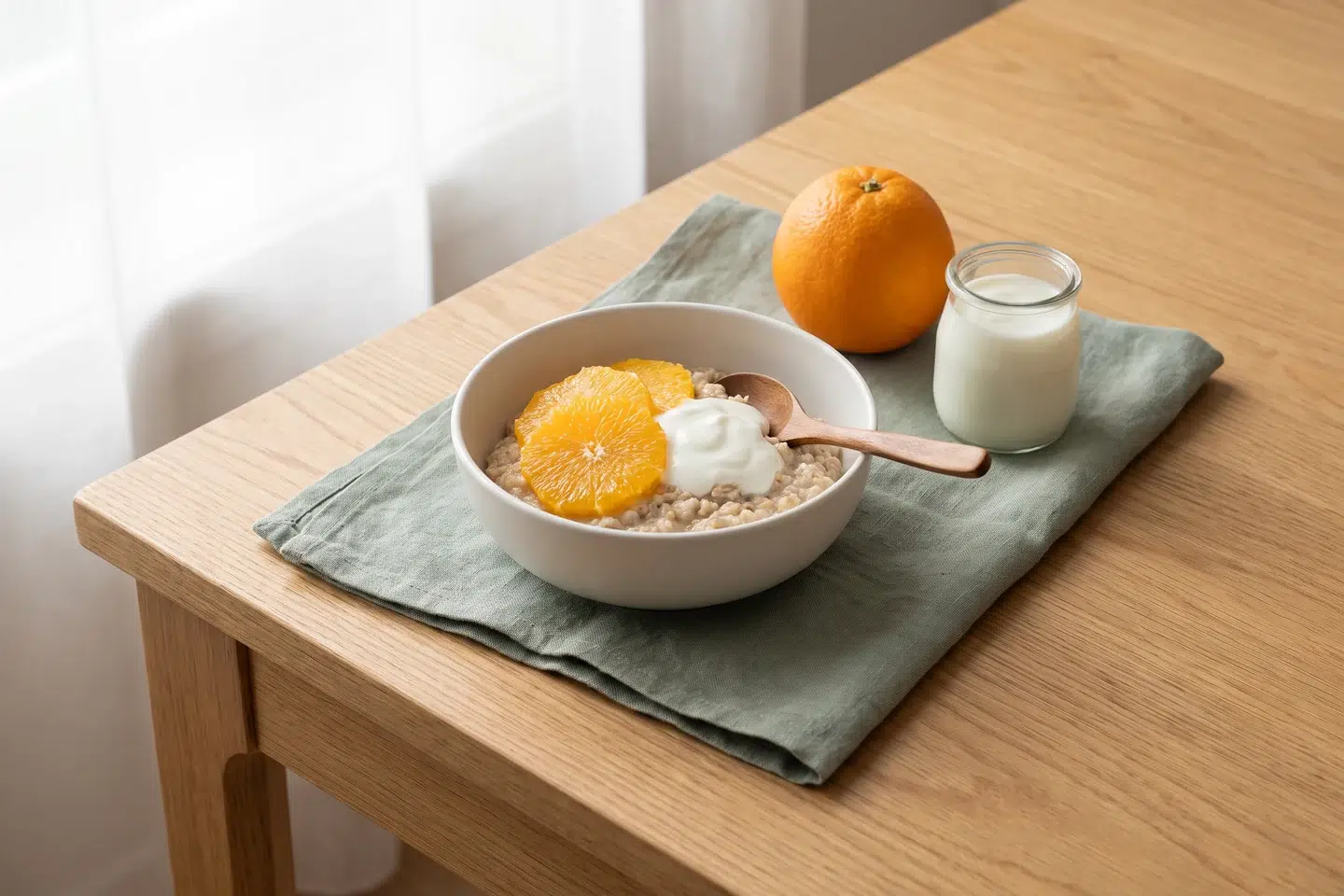
- Oatmeal with almonds and cinnamon (no added sugar)
- Greek yogurt with flax seeds and blueberries
Lunch
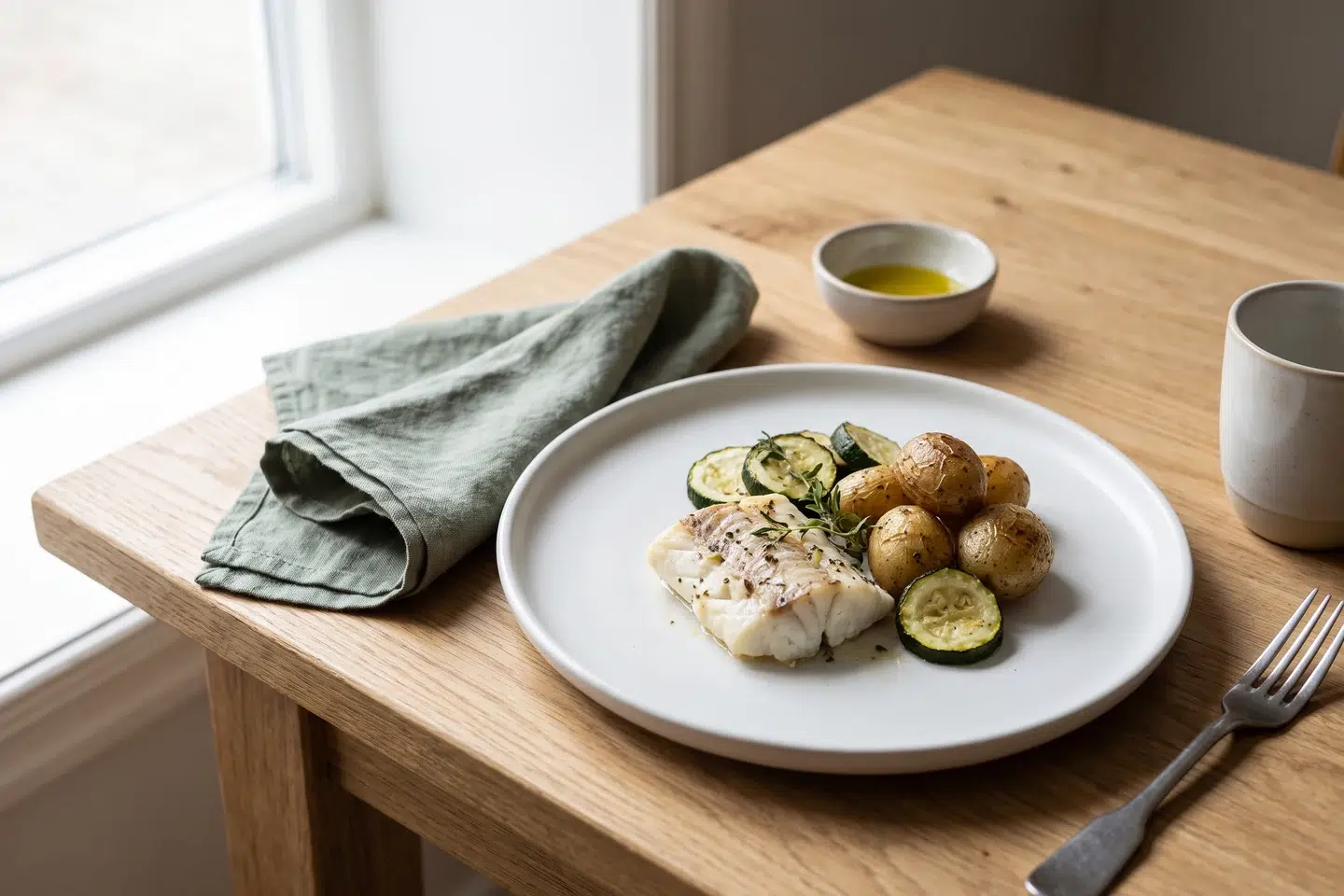
- Baked fish with beans and steamed vegetables
- Integral pasta with chicken and vegetables
- Bean and vegetable salad with olive oil
Dinner
- Chicken salad with arugula, olive oil and nuts
- Vegetable and legume soup
- Baked salmon with quinoa and broccoli
It is important to note that every person with insulin resistance should adjust their diet to their individual needs, in consultation with a nutritionist or doctor.
Physical activity and other lifestyle changes in insulin resistance
Although diet is key, physical activity and other lifestyle changes are equally important in the fight against insulin resistance:
Regular physical activity: A combination of aerobic exercise and strength training can significantly improve insulin sensitivity and reduce the risk of diabetes.
Stress management: Chronic stress increases cortisol levels, which can worsen insulin resistance. Relaxation techniques such as yoga, meditation and deep breathing can help.
Quality sleep: Lack of sleep negatively affects glucose metabolism. The goal is to achieve 7-9 hours of quality sleep every night.
Maintaining a healthy body weight: Even moderate weight loss (5-10% of body mass) can significantly improve insulin sensitivity in patients with insulin resistance.
Hydration: Adequate hydration is important for optimal metabolism.
How does exercise improve insulin sensitivity?
Regular exercise has a positive effect on glucose and insulin metabolism, because:
- It reduces the level of insulin and sugar in the blood, which contributes to better regulation of energy in the body.
- It improves the efficiency of cells in the use of glucose and prevents spikes in blood sugar.
- It helps in reducing body weight, which is crucial for the development of insulin resistance and its mitigation.
- It reduces the secretion of insulin and allows the body to use it more efficiently.
- It lowers the level of cholesterol and triglycerides, thereby reducing the risk of cardiovascular diseases in patients with insulin resistance.
The link between insulin resistance and diabetes
Insulinska rezistencija je često preteča predijabetesa i type 2 diabetes. Kada telo konstantno proizvodi više insulina da bi kompenzovalo rezistenciju, pankreasne ćelije koje proizvode insulin mogu se vremenom iscrpiti. Ovo dovodi do nedovoljne proizvodnje insulina i povišenog nivoa šećera u krvi i dalje, što može rezultirati dijabetesom.
In patients with insulin resistance and diabetes, monitoring blood sugar levels is especially important. Regular examinations and laboratory analyzes can help monitor progress and adjust therapy.
Dobra vest je da se pravilnom ishranom, redovnom fizičkom aktivnošću i održavanjem zdrave telesne težine može značajno smanjiti rizik od progresije insulinske rezistencije u dijabetes.
Dietary supplements that can help with insulin resistance
Although the primary focus should be on diet and lifestyle, certain nutritional supplements can provide additional support:
Chrome: May improve insulin action and glucose metabolism.
Magnesium: Magnesium deficiency is associated with insulin resistance.
Alpha-lipoic acid: An antioxidant that may improve insulin sensitivity.
Vitamin D: Low vitamin D concentration is associated with an increased risk for insulin resistance.
Cinnamon: May help lower blood sugar levels.
Omega-3 fatty acids: May reduce inflammation and improve insulin sensitivity.
It is important to note that nutritional supplements are not a substitute for proper nutrition and physical activity, and should be taken in consultation with a health professional.
Najčešća pitanja
Šta se ne sme jesti kod insulinske rezistencije?
Najkorisnije je ograničiti zaslađene napitke i velike porcije slatkiša, a obroke prilagoditi potrebama. Ne postoji ista lista zabrana za sve: integralne žitarice, mahunarke i celo voće mogu biti deo plana. Količina i ukupni obrazac ishrane važniji su od jedne namirnice.
Da li se insulinska rezistencija može povući samo ishranom?
Osetljivost na insulin može da se poboljša, ali rezultat zavisi i od aktivnosti, sna, telesne mase i zdravstvenog stanja. Nekim osobama je potrebna terapija. Izmenu lekova i tumačenje nalaza prepustite lekaru; poboljšanje nije razlog za samostalno prekidanje kontrola.
Koliko brzo se vide rezultati promene ishrane?
Ne postoji rok koji važi za sve. Apetit i pojedinačna merenja mogu se menjati brzo, dok se dugoročniji pokazatelji procenjuju prema planu kontrola. Ne zaključujte o uspehu na osnovu jedne vrednosti insulina ili kratkotrajnog pada težine.
Koje voće se sme jesti kod insulinske rezistencije?
Celo voće može biti deo ishrane, uključujući bobičasto voće, jabuke, kruške i citruse. Odmerite porciju i pratite preporuke ako imate i dijabetes. Sok i suvo voće lakše donose više ugljenih hidrata; voće nije potrebno automatski potpuno izbaciti.
Da li se sme jesti hleb kod insulinske rezistencije?
Da, odgovarajuća porcija hleba može se uklopiti u obrok. Prednost često ima hleb sa više celog zrna i vlakana, ali proverite sastav i količinu. Naziv „integralni” ne znači neograničenu porciju, a beli hleb nije dokaz neuspeha celog plana.
Šta pokazuje HOMA indeks?
HOMA-IR procenjuje insulinsku rezistenciju na osnovu glukoze i insulina iz istog uzorka krvi natašte. Nije samostalna dijagnoza i nema jednu granicu koja važi za sve laboratorije i populacije. Lekar rezultat tumači uz druge nalaze, terapiju i kliničku sliku.
Sadržaj je informativan i ne zamenjuje pregled, dijagnozu ili individualni plan lečenja. Promene ishrane uskladite sa lekarom ili nutricionistom, naročito ako imate hronično oboljenje, uzimate terapiju, trudni ste ili dojite.
Conclusion: Proper nutrition and expert guidance are the keys to combating insulin resistance
Insulin resistance can be successfully managed through proper diet and exercise, but it's crucial to know how to create a balanced plan that will improve blood sugar levels and help achieve long-term results. Every body is unique, and a customized nutrition plan and expert support can make a huge difference in your health.
If you struggle with insulin resistance and are looking for a personalized approach to nutrition, the Fitt Pro Team offers two specialized programs designed to help you:
ByeBye Weight- Ideal for those looking to lose weight, improve insulin sensitivity and regulate blood sugar with an expert nutrition plan tailored to their needs.
Hello Balance - Perfect for maintaining a stable metabolism, balancing glucose and insulin, as well as maintaining long-term health through proper nutrition.
With personalized plans and support from Fitt Pro Team nutritionists, you can achieve optimal results without drastic diets and sudden changes. Proper nutrition requires a strategy, and with the right approach, you can improve your health, regain energy, and reduce your risk of developing more serious metabolic disorders.
Poručite obroke i olakšajte sprovođenje IR plana
Kada želite da manje vremena provodite u kupovini i kuvanju, izaberite IR Hello Balance paket Fitt Pro Team-a. Na stranici pogledajte meni, odaberite paket i poručite dostavu. Porcije i raspored obroka uskladite sa preporukama stručnjaka koji prati vašu insulinsku rezistenciju.