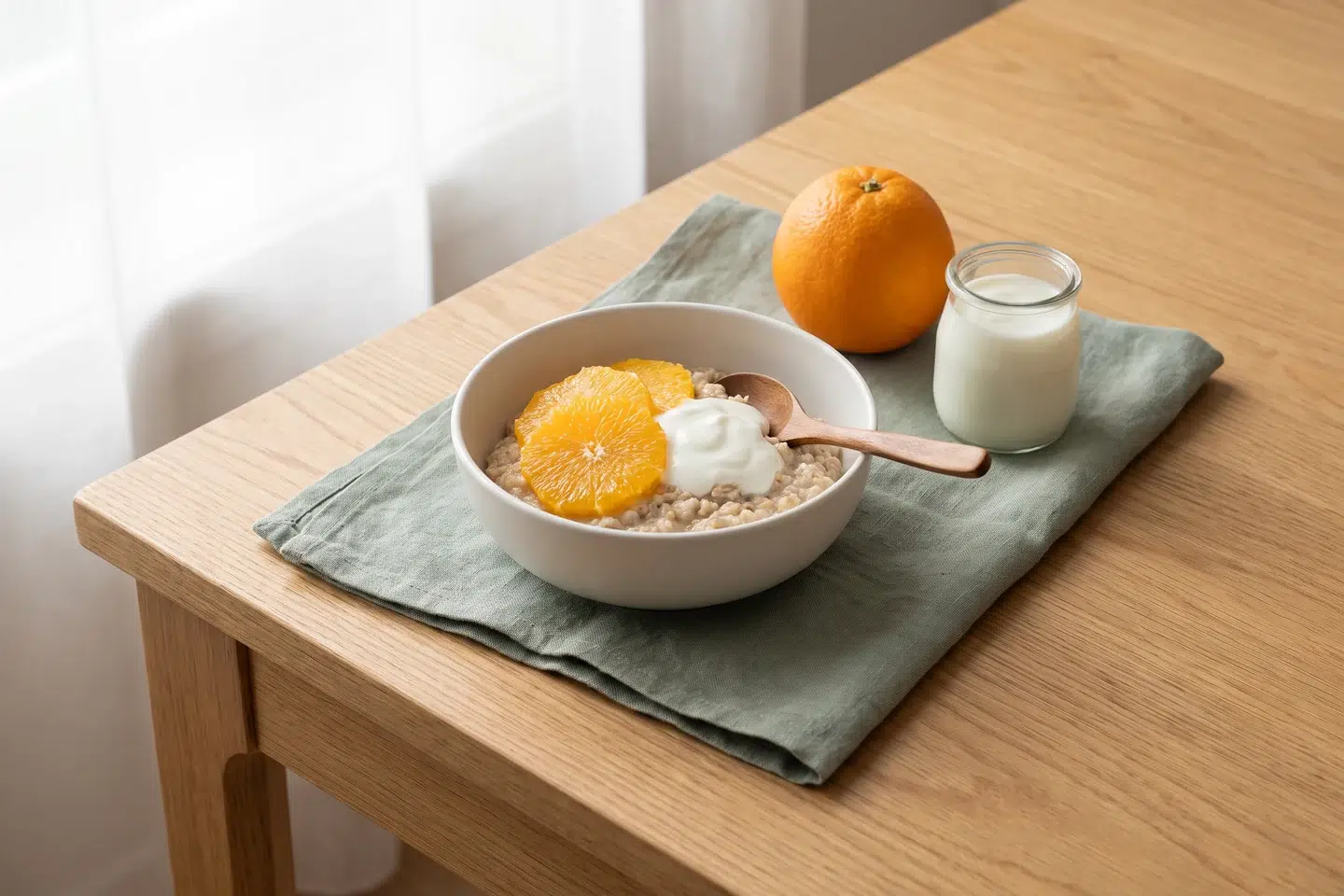
Nutrition adapted to the zero blood group is a nutritional approach that takes into account the genetic predispositions and characteristics of people with this blood group. This article explores the specifics of nutrition for people with blood type zero (0), analyzes the scientific basis and provides practical advice for optimal health. Research shows that certain foods may be particularly beneficial for people with type zero blood, while others may cause adverse reactions. Science-based information can help you adjust your diet to the individual needs of your body.
What characterizes zero blood type?
Blood type zero (0) is considered the oldest blood type in humans and is the most common in the global population. People with zero blood type they have specific characteristics of the immune and digestive systems. According to research, they typically have a robust digestive tract with higher levels of stomach acid, which allows them to digest animal protein more efficiently.
Research in the field of nutrigenomics (the science that studies the relationship between nutrition and genetics) suggests that there is a connection between blood type and metabolic processes. People with zero blood type are characterized by efficient protein and fat metabolism, but potentially reduced tolerance to certain carbohydrates, especially gluten and dairy products.
Studies show that people with zero blood type may have a predisposition to develop certain health conditions if they do not adjust their diet, including problems with the digestive system, inflammatory processes and metabolic imbalance.
What foods are recommended for zero blood type?
Scientific research and clinical experience indicate that people with type zero blood often respond better to a diet that includes:
- High quality proteins: red meat (especially beef, lamb), poultry, game, fish and seafood rich in omega-3 fatty acids
- Green leafy vegetables: spinach, Swiss chard, kale, rocket, lettuce
- Vegetables with a low glycemic index: broccoli, cauliflower, carrot, onion, garlic
- Fruits with a low glycemic index: blueberries, cherries, plums, pears
- Healthy sources of fat: olive oil, avocado, nuts (walnuts, almonds, hazelnuts)
- Herbs and antioxidants: turmeric, ginger, oregano, rosemary, cinnamon
These foods provide the optimal combination of supportive nutrients metabolic processes and immune function of persons with zero blood group. Animal-based proteins provide essential amino acids for tissue building and repair, while green vegetables and low-glycemic fruits provide vitamins, minerals and antioxidants without causing blood sugar spikes.


What foods can be problematic for zero blood type?
People with zero blood type may have reduced tolerance to the following foods:
- Cereals containing gluten: wheat, rye, barley and products from these grains
- Dairy products: milk, cheese, yogurt (especially those with a high percentage of milk fat)
- Legumes: beans, lentils, chickpeas (can cause digestion problems)
- Foods with a high glycemic index: refined carbohydrates, sweets, white bread
- Processed foods: ready meals, canned food, industrially produced snacks
The reason for the potentially worse tolerance to these foods may be related to the specific immunological and metabolic characteristics of people with zero blood type. Gluten can cause inflammatory processes in the digestive tract, while dairy products can be more difficult to digest due to lower levels of lactose-digesting enzymes in some people with this blood type.
Differences between 0+ and 0- blood groups in nutrition
People with zero blood type can have positive (0+) or negative (0-) Rh factor. Scientific research points to certain subtle differences in nutritional needs between these two subgroups.
For people with type 0+ blood, the standard recommendations for type zero blood are generally sufficient, with a focus on high-quality protein and foods with a low glycemic index. Their immune response is typically robust, allowing them to adapt well to various nutritional challenges.
People with 0- blood group may be more sensitive immune system and potentially more pronounced reactions to incompatible foods. Research suggests that people with blood type 0 can benefit from:
- Increased intake of antioxidants and vitamin C to support immunity
- More careful selection of protein sources, with an emphasis on organic meat and game
- Stricter avoidance gluten and dairy products
- More careful supplementation, esp vitamin D and omega-3 fatty acids
It is important to emphasize that these differences are subtle and that the individual body's response may vary. Keeping a food diary and monitoring reactions to different foods is recommended in order to identify individual patterns and preferences.
Is there scientific evidence for the specificity of nutrition according to zero blood type?
The scientific community has divided views on the direct connection between blood type and optimal nutrition. Some researchers point to potential biochemical links between blood types and digestive processes, while others emphasize the lack of large, controlled clinical studies.
Several small studies have shown that people with type zero blood may do better with a diet high in protein and lower in certain carbohydrates. However, currently there is not enough extensive, long-term research that would definitively confirm all aspects of the theory of diet according to blood type.
It is interesting that the nutritional principles recommended for the zero blood group have many similarities with paleo diet and other nutritional approaches that emphasize the intake of protein, healthy fats and foods with a low glycemic index, while limiting refined carbohydrates. These principles are scientifically supported as beneficial for many aspects of health, regardless of blood type.
How to organize a diet adapted to the zero blood group?
If you want to adapt your diet to the specifics of the zero blood type, here are some scientifically based tips:
- Focus on quality proteins: Include high-quality meat, fish and seafood in your meals. Choose organic meat whenever possible and fish rich in omega-3 fatty acids.
- Balanced intake of carbohydrates: Instead of avoiding carbohydrates altogether, focus on complex carbohydrates from low-glycemic index vegetables and fruits.
- Adequate hydration: People with type zero blood can benefit from increased water intake to support metabolic processes and eliminate toxins.
- Regular physical activity: Research shows that people with blood group zero respond well to more intense physical activity, such as high-intensity interval training, running or swimming.
- Individual customization: Keep a food diary and monitor how your body reacts to different foods. Nutritional needs can vary among individuals, even with the same blood type.
What do the experts say about the diet adapted to the zero blood type?
Experts in the field of nutrition and integrative medicine have different views on the concept of nutrition according to blood type. Some emphasize the potential benefits of an individualized approach, while others emphasize the need for more scientific evidence.
Dr. Mehmet Oz, a heart surgeon and professor at Columbia University, points out that "although there is no definitive scientific evidence that the blood type diet works for everyone, some basic principles, such as reducing your intake of processed foods and focusing on whole foods, can be beneficial for most people."
Dr. Andrew Weil, an expert in integrative medicine, states that "although the concept of diet according to blood type is intuitive, additional research is needed to fully confirm all of its propositions. However, tailoring nutrition to individual needs, including genetic factors, certainly represents the future of nutrition."
Nutritionists often emphasize that, regardless of blood type, the principles of a healthy diet that include variety, moderation, and a focus on unprocessed foods remain universally important.
Is there scientific evidence for the effectiveness of a diet adapted to the zero blood type?
Scientific research on the direct link between blood type and optimal nutrition is limited, but a growing number of studies are exploring this intriguing concept. Currently, there are not enough large, controlled clinical studies to definitively confirm all aspects of the blood type nutrition theory.
Research published in the "Journal of Nutrition and Metabolism" showed some correlations between blood types and metabolic responses to certain foods, but did not confirm all aspects of the theory. Another study published in PLoS One found no significant associations between diet according to blood type and biomarkers of cardiovascular health.
Interestingly, many of the principles recommended for type zero—such as increased protein intake, reduced refined carbohydrate intake, and a focus on unprocessed foods—have independent scientific support for improving metabolic health, controlling body weight, and reducing inflammation.
For now, it is most scientifically correct to say that, although a direct link between blood type and optimal nutrition has not been definitively proven, an individualized approach to nutrition that takes into account genetics, metabolism and personal preferences represents a promising direction in nutritional science.
Conclusion
The concept of nutrition tailored to the zero blood group is an intriguing approach to personalized nutrition. Although the scientific evidence directly linking blood type to specific nutritional needs is still inconclusive, many of the principles of this diet—such as a focus on quality protein, low-glycemic index vegetables, and a reduction in processed foods—have good scientific support for improving overall health.
For people with zero blood type, a rich diet quality proteins, complex carbohydrates and essential fats, with the restriction of gluten and dairy products, can be a good starting point. However, the key to success lies in individualization – monitoring how your unique body reacts to different foods and adapting your diet to those reactions.
The Fitt Pro Team offers two meal plans that provide an excellent nutritional foundation for people with blood type zero, although they are not specifically designed for blood type.
ByeBye Weight the program focuses on the optimal ratio of protein and carbohydrates for healthy weight loss, which in many respects coincides with the nutritional recommendations for the zero blood type.
Hello Balance the program offers a balanced approach to nutrition without strict restrictions, but with an emphasis on quality foods that support optimal health and metabolic balance.