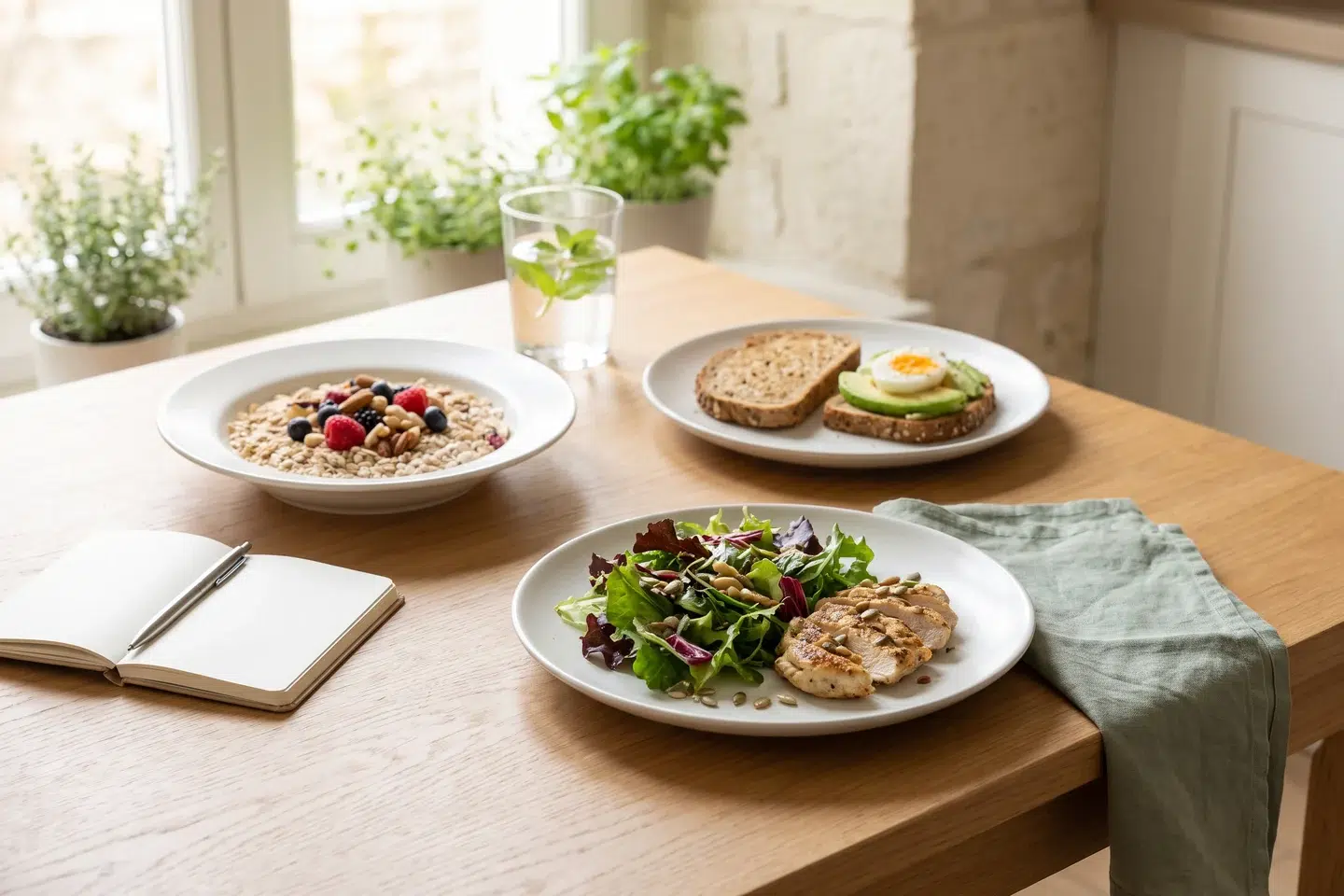
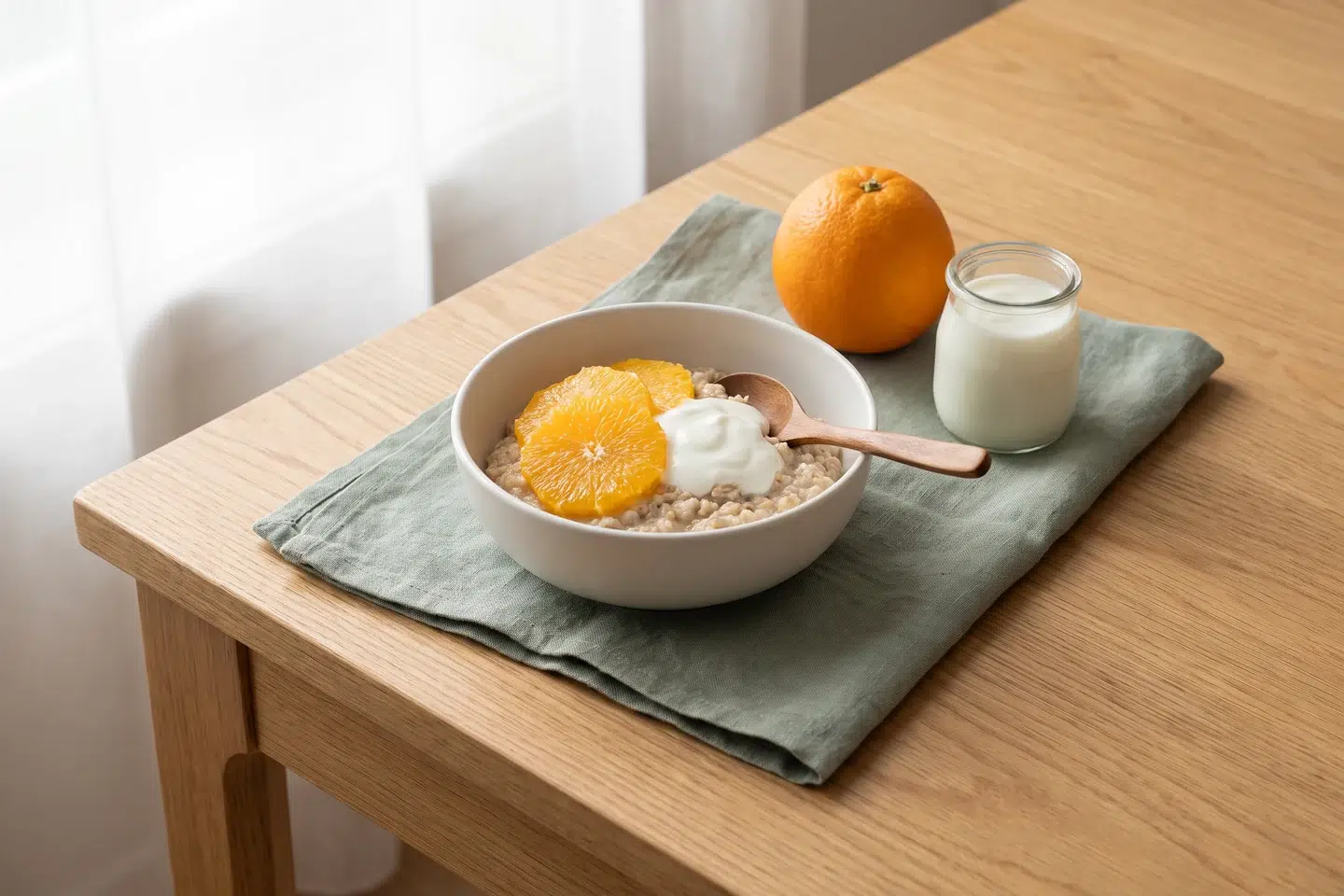
Ishrana tokom terapije za heliko bakteriju treba da omogući dovoljan unos hrane i ublaži tegobe koje imate. Sama hrana ne iskorenjuje Helicobacter pylori; potreban je propisani režim lekova i provera uspeha terapije. U nastavku su namirnice koje se često lakše podnose, mogući okidači simptoma i objašnjenje zašto izbor obroka zavisi i od konkretnih lekova.
Helicobacter pylori is a bacterium that is usually found in the stomach and can be the cause of various gastrointestinal problems. When it settles on the stomach lining, Helicobacter pylori can cause gastritis, and in some cases more serious problems such as stomach ulcers and even stomach cancer. This bacterium is particularly known for being able to withstand the acidic environment of the stomach, making it particularly persistent and difficult to treat.
Diet plays a key role in managing symptoms and treating infection Helicobacter pylori. Certain dietary changes can help reduce irritation of the stomach lining as well as improve the overall health of the digestive tract. For example, avoiding foods that stimulate the secretion of stomach acid, such as coffee and sodas, as well as foods that irritate the stomach lining, such as spicy foods and processed meat products, can be helpful. On the other hand, the intake of probiotics, omega-3 and omega-6 fatty acids, as well as non-acidic fruits and vegetables, can support stomach health and relieve symptoms associated with Helicobacter pylori.
Understanding the connection between diet and Helicobacter pylori is important not only for people who already have a diagnosis, but also for those who want to take preventive action on their gastrointestinal health. Proper nutrition can be a powerful tool in the fight against this persistent bacteria and its potentially serious health consequences.
Koje namirnice se lakše podnose tokom terapije?
Ne postoji jedna lista hrane koja odgovara svima sa Helicobacter pylori infekcijom. Birajte obroke koje podnosite, po potrebi manje porcije, i pratite vezu između hrane i tegoba. Posebno proverite uputstvo za antibiotike: razmak od mleka, minerala ili alkohola zavisi od propisanog leka, a ne od opšte tabele za dijetu.
| Grupa | Često podnošljiv izbor | Šta može smetati | Zašto je bitno |
|---|---|---|---|
| Cereals | Ovas, pirinač, hleb koji podnosite | Velike masne porcije peciva | Podnošljivost zavisi od pripreme |
| Krompir | Kuvan ili pečen sa malo masti | Pomfrit | Masnoća može pogoršati tegobe |
| Vegetables | Kuvano, mekše povrće ako prija | Sirovo koje pojačava nadimanje | Ne isključivati sve povrće |
| Fruit | Zrelo voće prema toleranciji | Kiseli plodovi ako izazivaju pečenje | Nije univerzalna zabrana citrusa |
| Meso | Nemasno, kuvano ili pečeno | Masno i pohovano | Prilagoditi veličinu porcije |
| Fish | Kuvana ili pečena | Pohovana | Jednostavnija priprema često prija |
| Eggs | Dobro termički obrađena | Mnogo dodatne masti | Nema potrebe za automatskim izbacivanjem |
| Mlečno | Jogurt ako ga podnosite | Proizvodi koji izazivaju tegobe | Proveriti razmak uz konkretan antibiotik |
| Legumes | Manja porcija ako prija | Velika porcija tokom nadutosti | Postepeno prilagođavanje |
| Začini | Blagi prema ukusu | Ljuti ako izazivaju simptome | Ljutina ne dokazuje prisustvo bakterije |
| Napici | Voda i blagi napici | Kafa i gazirano ako smetaju | Individualni odgovor je važan |
| Alcohol | Pratiti uputstvo terapije; izbegavati uz nekompatibilne lekove | Alkohol tokom režima koji ga zabranjuje | Proveriti i period posle poslednje doze |
Izvor medicinskog okvira: ACG smernice za H. pylori; primeri hrane predstavljaju prilagođavanje simptoma, ne terapiju eradikacije.
Ako imate hronični gastritis or nadutost stomaka, zabeležite šta pogoršava tegobe. Ne kombinujte više eliminacionih režima bez razloga.
Helicobacter pylori diet - Example of a helicobacter pylori diet plan
When treating Helicobacter pylori, careful meal planning can help alleviate symptoms and increase the effectiveness of treatment. Here is an example of a three-day meal plan:
Day 1:
- Breakfast: 1 plain yogurt + 1 slice of bread with white cheese and egg.
- Snack: 2 slices of papaya + 1 teaspoon of chia seeds.
- Lunch/Dinner: 4 tablespoons of rice + 2 tablespoons of beans + chicken in tomato sauce + cabbage salad.
- Afternoon snack: 1 glass of skimmed milk + muesli.
Day 2:
- Breakfast: Strawberry smoothie with skimmed milk and oatmeal.
- Snack: 1 banana + 7 cashews.
- Lunch/Dinner: Mashed potatoes + 1/2 piece salmon + salad with boiled broccoli.
- Afternoon snack: 1 plain yogurt + bread with red fruit jam.
Day 3:
- Breakfast: 1 glass of milk + 1 scrambled eggs with white cheese.
- Snack: 1 glass of green juice + 3 crackers.
- Lunch/Dinner: Vegetable soup with cauliflower, potatoes, carrots, zucchini and chicken.
- Afternoon snack: Sandwich with chicken and ricotta cream.
Meal planning helps maintain a consistent and balanced diet, which is key to effective treatment of Helicobacter pylori. It is important to choose foods that are easy to digest and at the same time provide the necessary nutrients.
Kako planirati jelovnik kod heliko bakterije za sedam dana?
Nedeljni plan treba da prati vreme uzimanja lekova i podnošljivost hrane tokom terapije. Nekome više prijaju manji obroci, ali pet ili šest obroka nije obavezno pravilo za svakog pacijenta. Postojeći primer dana ne određuje potrebnu energiju; porcije i zamene proverite ako gubite težinu ili teško jedete.
Sa intolerancijom na hranu treba razlikovati tegobe nastale tokom antibiotske terapije. Ni kandida dijeta nije univerzalno rešenje za te simptome.
Neželjeni efekti terapije i kako ishrana pomaže da se lakše podnese
Treatment of Helicobacter pylori involves the use of certain medications, including proton pump inhibitors and antibiotics. These drugs are necessary in the fight against infection, but they can cause side effects that can be alleviated with proper nutrition.
One of the common side effects is a metallic taste in the mouth. To combat this problem, you can add a little vinegar to salads and sprinkle some baking soda and salt on your toothpaste before brushing. These methods help neutralize acids in the mouth and stimulate saliva production, which can help remove the metallic taste.
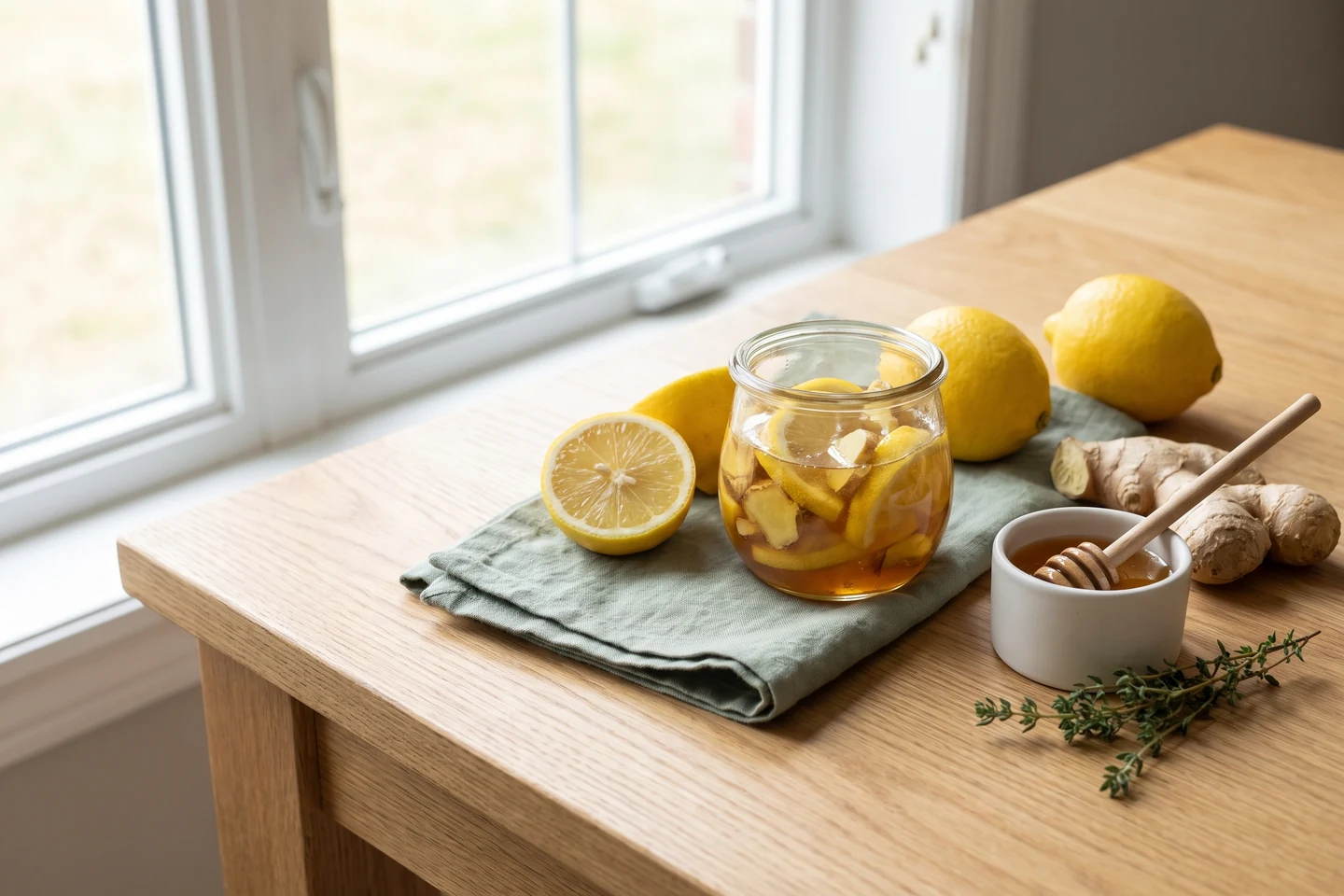
Nausea and abdominal pain usually occur from the second day of treatment. To prevent these symptoms, it is important to drink plenty of water, rest, and eat easily digestible foods such as yogurt, white cheeses, and crackers. Drinking ginger tea right after waking up and eating a slice of toast or a few crackers, as well as avoiding drinking large amounts of fluids at once, are good ways to relieve morning sickness.
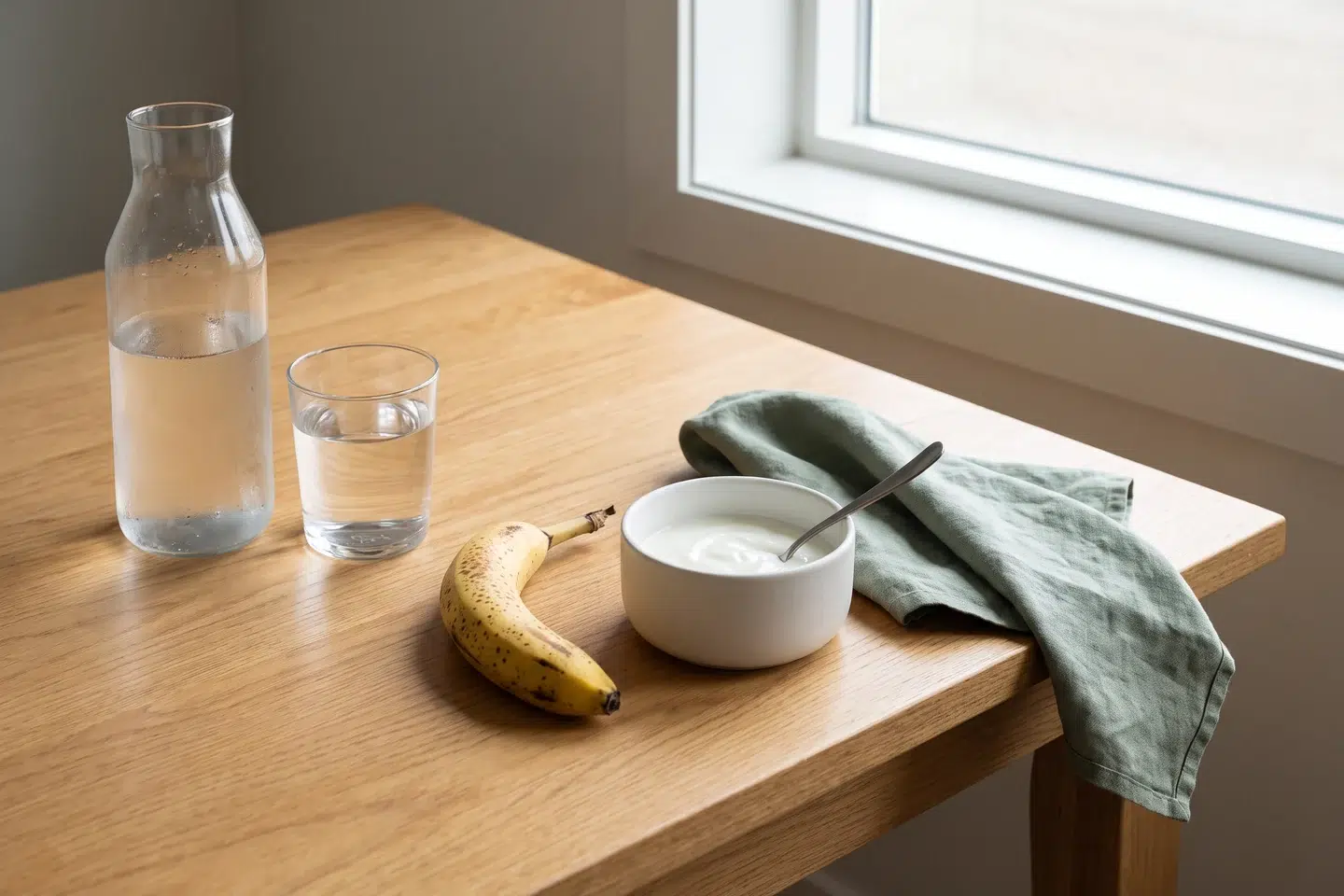
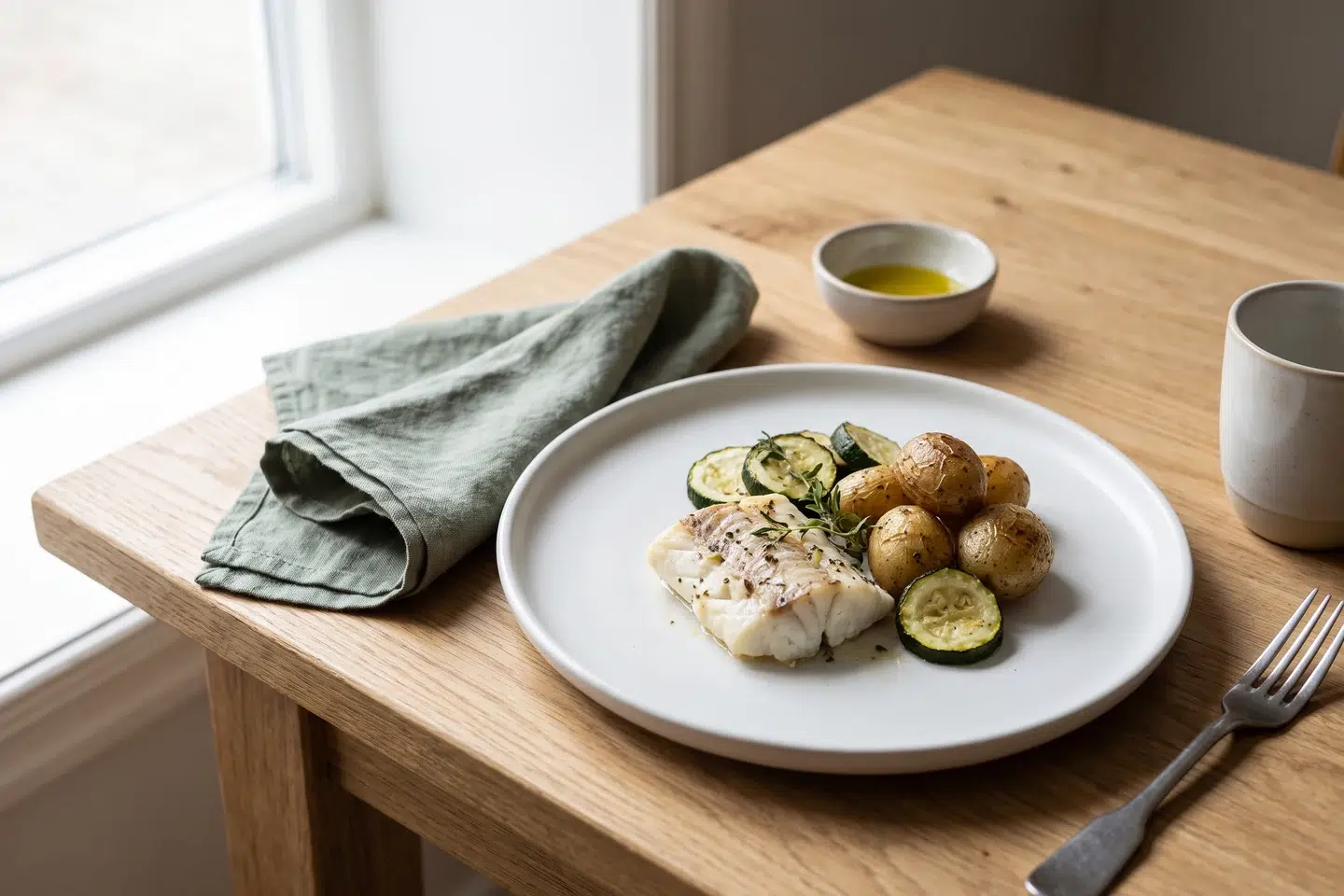
Diarrhea usually occurs after the third day of treatment, because antibiotics, in addition to eliminating Helicobacter pylori, also reduce the naturally occurring intestinal flora, which causes diarrhea. Eating plain yogurt every day and easily digestible foods such as soups, purees, white rice, fish and white meat is a good way to stop diarrhea and restoration of intestinal flora.
Incorporating these dietary strategies into your daily regimen can significantly help alleviate the side effects of Helicobacter pylori treatment and facilitate recovery.
Ako imate mučninu ili blaže promene stolice, lekar ili farmaceut može objasniti kako da propisanu terapiju uklopite sa obrocima. Ne prekidajte antibiotik samostalno. Jaka ili uporna dijareja, krv u stolici, ozbiljan osip, otežano disanje ili nemogućnost uzimanja tečnosti zahtevaju medicinsku procenu.
Uspeh terapije ne procenjuje se samo nestankom bola. ACG preporučuje proveru eradikacije najmanje četiri nedelje posle antibiotika, uz pravilan razmak od inhibitora protonske pumpe prema nalogu lekara. Ne obustavljajte lekove za želudac samostalno radi testa.
Zaključak: šta jesti dok traje terapija
Managing Helicobacter pylori infection requires careful and thoughtful nutrition. Diet for Helicobacter pylori plays a key role in alleviating symptoms and supporting effective treatment. It is important to avoid foods that irritate the stomach and stimulate the secretion of stomach acid, such as coffee, alcohol, spicy food and fatty meats. It is recommended to include probiotics, omega-3 and omega-6 fatty acids, non-acidic fruits and vegetables, as well as white meat and fish in the daily diet for Helicobacter pylori.
In addition to dietary adjustments, constant consultation with health professionals is key. Only a multidisciplinary approach, which includes medical treatment and adapted nutrition, can ensure optimal results in the fight against Helicobacter pylori infection. It is important to understand that Helicobacter pylori can be controlled and treated effectively with proper medical support and a disciplined diet.
Olakšajte pripremu obroka tokom lečenja
Kada želite da uštedite vreme na kuvanju, otvorite Hello Balance ponudu i izaberite paket Fitt Pro Team-a sa dostavom. Pre poručivanja uskladite sastojke i porcije sa hranom koju dobro podnosite. Obroci olakšavaju svakodnevnu organizaciju, dok terapiju za H. pylori određuje lekar.
Najčešća pitanja
Šta se ne sme jesti kod heliko bakterije?
Ne postoji univerzalna zabrana hrane koja sama leči infekciju. Ograničite ono što vam pojačava simptome, često veoma masnu ili ljutu hranu. Pratite i uputstva uz lekove, jer pojedini antibiotici imaju posebna pravila za mleko, minerale ili alkohol.
Da li se sme piti kafa kod heliko bakterije?
Kafa nije automatski zabranjena svakoj osobi sa infekcijom, ali može pojačati pečenje, bol ili refluks. Ako primećujete vezu, smanjite je ili privremeno izostavite. Poboljšanje simptoma posle izbacivanja kafe ne pokazuje da je bakterija iskorenjena.
Da li jogurt i probiotici pomažu kod heliko bakterije?
Jogurt može biti deo ishrane ako ga podnosite, ali ne zamenjuje antibiotike. Efekat probiotskih preparata zavisi od soja i režima, pa izbor dogovorite sa lekarom. Proverite razmak mlečnih proizvoda i minerala od antibiotika koji vam je propisan.
Koliko traje terapija za heliko bakteriju?
Trajanje zavisi od propisanog režima, ranijeg lečenja i drugih okolnosti. Savremene ACG smernice za čest početni režim navode 14 dana, ali to nije poziv da samostalno birate lekove. Završite terapiju po uputstvu i uradite dogovoreni kontrolni test.
Da li se heliko bakterija može izlečiti samo ishranom?
Ne. Nije dokazano da jelovnik, čaj ili pojedinačna namirnica mogu zameniti terapiju za iskorenjivanje Helicobacter pylori. Ishrana može pomoći podnošljivosti obroka i lečenja. Dijagnozu, izbor lekova i potvrdu eradikacije vodi lekar.
Šta jesti posle završene terapije?
Postepeno se vratite raznovrsnoj ishrani prema toleranciji, bez nepotrebnog dugog izbacivanja čitavih grupa hrane. Ako tegobe traju, ne zaključujte automatski da se bakterija vratila. Potrebna je dogovorena provera eradikacije i procena drugih mogućih uzroka simptoma.
Izvori
Sadržaj je informativan i ne zamenjuje pregled, dijagnozu ili individualni plan lečenja. Promene ishrane uskladite sa lekarom ili nutricionistom, naročito ako imate hronično oboljenje, uzimate terapiju, trudni ste ili dojite.