Ishrana kod gihta pomaže da ograničite pojedine okidače, ali obično nije dovoljna da sama reguliše mokraćnu kiselinu. Posebno su važni alkohol, iznutrice, određene ribe i zaslađeni napici. U nastavku je pregled namirnica bez izmišljenih vrednosti purina, uz objašnjenje biljnih izvora, praktičnih obroka i razloga zbog kojih propisana terapija ostaje deo lečenja.
Gout, known as the "disease of kings" is a health problem that affects millions of people worldwide. This form of arthritis is characterized by sharp pain, swelling and redness, usually in the joints, especially the big toe. Gout is manifested by acute attacks that can significantly affect the quality of life. However, what many do not know is that gout can be effectively controlled and treated, and diet plays a key role in this.
What is gout?
Gout is a type of arthritis that occurs when a high concentration of uric acid in the blood crystallizes in the joints and soft tissues, causing pain, swelling and inflammation. These uric acid crystals form when the body cannot effectively remove excess uric acid, or when too much uric acid is produced, often due to a diet rich in purines. Purines are chemical compounds present in many foods, and their breakdown in the body leads to the formation of uric acid.
Symptoms of gout include intense joint pain, redness, swelling, and tenderness to even the slightest touch. Gout attacks usually come on suddenly and can last for days or even weeks.
Causes of gout and the role of uric acid
Gout can develop when uric acid is not excreted efficiently by the kidneys or when it is produced in excessive amounts. Risk factors for developing gout include genetics, being overweight, certain health problems such as hypertension and diabetes, as well as consumption of alcohol, especially beer, and foods rich in purines.
Foods rich in purines, such as red meat, some types of fish, seafood, and some types of vegetables such as peas, can increase the level of uric acid in the blood. Also, fructose and sweetened drinks can contribute to increased uric acid levels.
When uric acid builds up in the blood, crystals can form in the joints and surrounding tissues, leading to painful gout attacks. These attacks can also be caused by certain factors such as injuries, surgeries, excessive alcohol consumption, or even stress.
In the following segments, we will explore in more detail how diet and lifestyle changes can help control and prevent gout, as well as which foods to avoid and which to include in the menu to reduce the risk of gout attacks.
How diet affects gout
A diet rich in purines can lead to increased levels of uric acid in the blood, which increases the risk of developing gout. Foods that contain high levels of purines can trigger a gout attack, especially in people who already have elevated uric acid levels. Therefore, proper nutrition and food choices can significantly contribute to the control and prevention of gout attacks.
Koje namirnice ograničiti, a koje uključiti kod gihta?
Kod gihta nije dovoljno gledati samo sadržaj purina. Alkohol i velika količina fruktoze mogu biti važni iako se ne uklapaju u jednostavnu podelu na namirnice sa mnogo ili malo purina. Biljne izvore ne treba automatski izbacivati zajedno sa iznutricama; ukupna ishrana i terapija imaju različite uloge.
| Grupa | Primer | Orijentacioni opis | Praktična preporuka |
|---|---|---|---|
| Iznutrice | Jetra, bubrezi | Tall | Izbegavati ili strogo ograničiti po planu lekara |
| Red meat | Junetina, svinjetina | Umeren | Manje porcije i ređe, bez univerzalnog nedeljnog broja |
| Živina | Piletina, ćuretina | Umeren | Uklopiti porciju u plan |
| Fish | Sardine, inćuni | Tall | Ograničiti; sa stručnjakom izabrati zamenu |
| Morski plodovi | Shells | Umeren do visok | Ograničiti prema ukupnom obrascu |
| Druge ribe | Riblji fileti | Promenljiv | Vrsta i porcija su važne |
| Mleko | Mleko sa manje masti | Low | Može biti deo uobičajene ishrane |
| Yogurt | Nezaslađen jogurt | Low | Birati bez dodatog šećera |
| Sir | Mladi sir | Low | Paziti na so i ukupnu porciju |
| Eggs | Kuvana jaja | Low | Moguća zamena za deo mesa |
| Legumes | Pasulj, sočivo | Biljni purini | Ne izjednačavati njihov rizik sa iznutricama |
| Soybean | Tofu | Biljni purini | Uklapati prema individualnim potrebama |
| Vegetables | Spanać, pečurke | Biljni purini | Nije razlog za automatsko izbacivanje |
| Drugo povrće | Kupus, paprika, krastavac | Pretežno nizak | Redovno u raznovrsnim obrocima |
| Fruit | Celo sezonsko voće | Low | Uobičajene porcije; nije isto što i zaslađeni sok |
| Cereals | Ovas, integralni hleb | Nizak do umeren | Birati prema potrebama i porciji |
| Nuts | Orasi, bademi | Low | Manja porcija zbog energije |
| Fats | Maslinovo ulje | Nema značajnih purina | Odmerena količina |
| Pića | Pivo i žestoka pića | Purini nisu jedini mehanizam | Ograničiti alkohol; tokom napada izbegavati |
| Sweetened beverages | Sokovi sa dodatim šećerom | Fruktoza, ne purini | Ograničiti; prednost dati vodi |
Izvor preporuka: ACR smernice za giht. Kategorije su kvalitativna orijentacija, ne laboratorijska tabela miligrama purina. Smernice ne propisuju identičnu porciju svake namirnice svima.
Genetika, funkcija bubrega i lekovi utiču na urate: napad gihta nije dokaz da ste „pogrešno jeli”. ACR naglašava da je efekat pojedinačnih promena hrane na urate ograničen, pa dijetu ne treba predstavljati kao zamenu za lečenje.
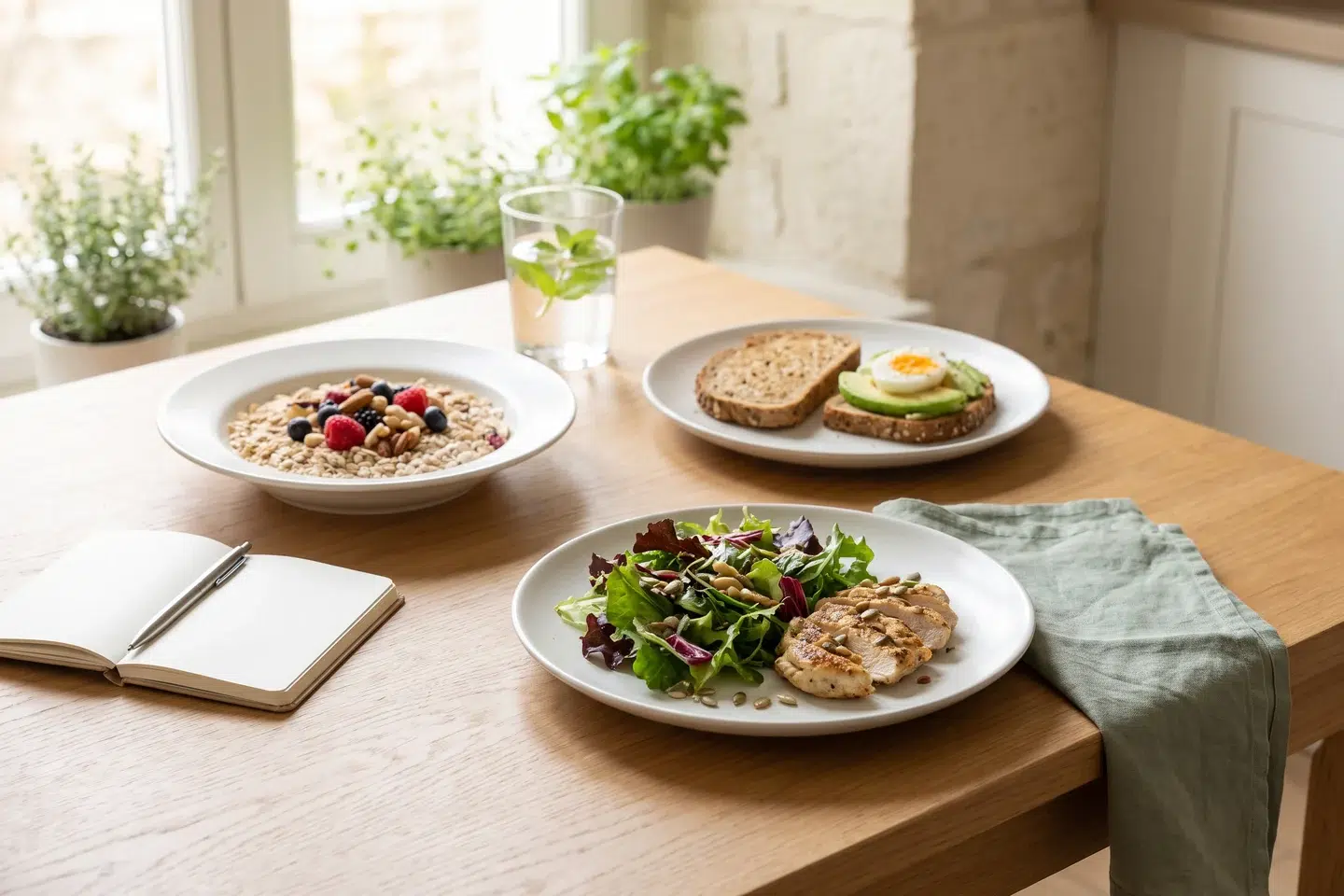
Examples of healthy meals for people with gout
Breakfast
- Integral toast with avocado and boiled egg.
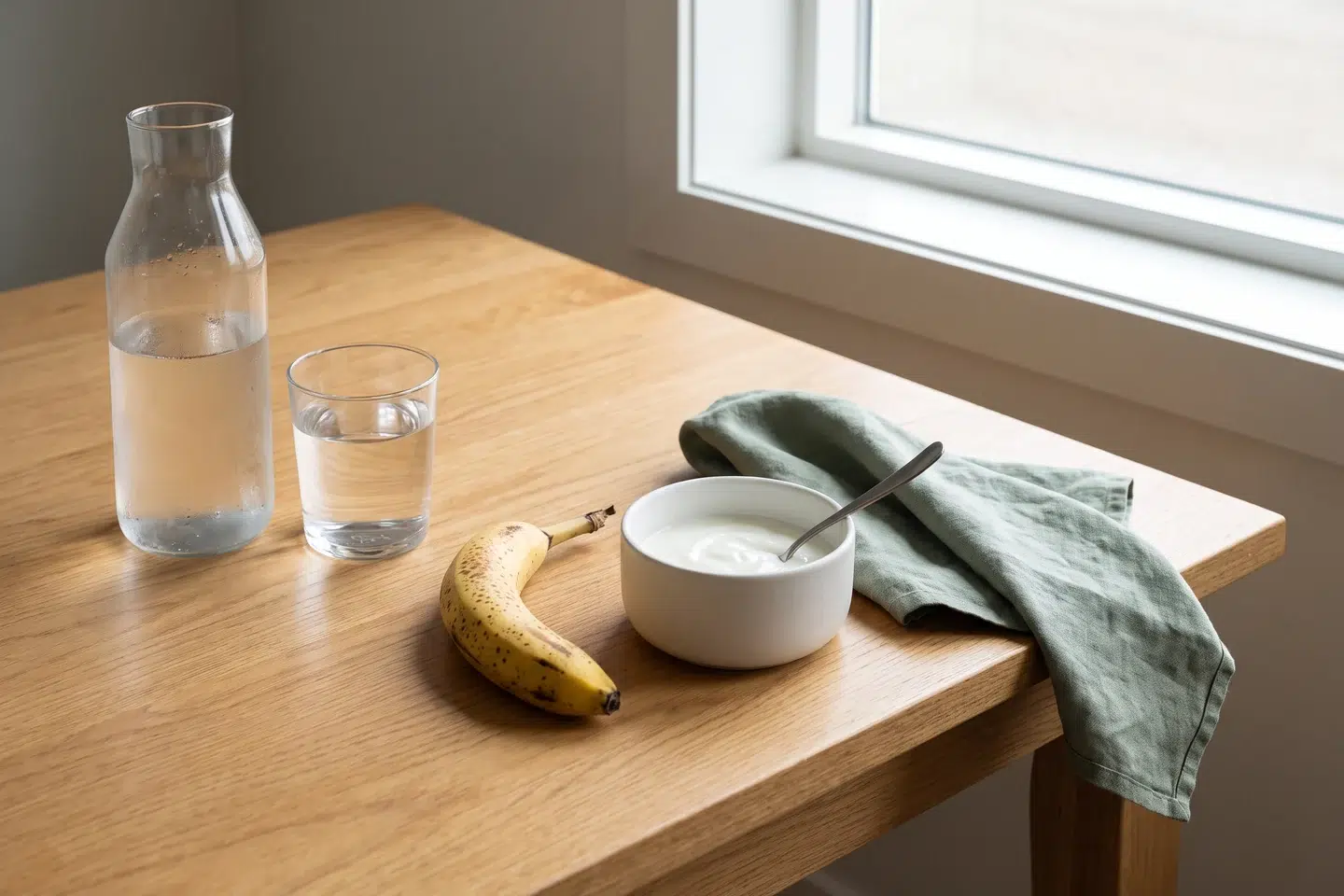
- Strawberry smoothie and bananas with low-fat yogurt.
Lunch
- Vegetable salad with grilled chicken.
- Brown rice with steamed vegetables.
Dinner
- Roast turkey with boiled potatoes and broccoli.
- Whole wheat pasta with tomato sauce and vegetables.
Kako od postojećih obroka napraviti nedeljni plan?
Plan za nedelju dana treba da rasporedi izvore proteina, povrće, žitarice i napitke tako da odgovara vašoj terapiji i drugim bolestima. Postojeći primeri nude ideje, ali ne određuju dovoljan dnevni unos. Posebno treba dogovoriti tečnost ako imate srčanu ili bubrežnu bolest, umesto primene iste litreže za sve.
Za raznovrsnost pogledajte hranu bogatu vlaknima and antiinflamatornu ishranu. Ako istovremeno imate metaboličke poremećaje, plan povežite sa smernicama za masnu jetru and insulinsku rezistenciju.
Changing lifestyle habits for better gout control
Changing lifestyle habits plays a key role in controlling gout. In addition to proper nutrition, it is important to maintain a healthy body weight and exercise regularly.
The importance of physical activity and maintaining a healthy body weight
- Regular physical activity helps maintain a healthy body weight, which reduces pressure on the joints and helps control uric acid levels.
- It is advised to avoid crash diets for weight loss as they can increase the level of uric acid in the blood.
Tips to reduce the risk of a gout attack
- Limit alcohol intake, especially beer, which can increase the risk of gout attacks.
- Avoid foods rich in purines, such as red meat and certain types of fish.
- Increase the intake of water and teas to stimulate the excretion of uric acid.
By implementing these tips, people with gout can significantly reduce the frequency and intensity of gout attacks, thereby improving their quality of life.
Da li suplementi i bilje mogu da zamene lečenje gihta?
Suplementi i biljni čajevi ne zamenjuju terapiju za snižavanje urata niti lekove za napad gihta. ACR uslovno preporučuje da se vitamin C ne dodaje kao suplement radi lečenja gihta. Hrana koja ga prirodno sadrži može ostati u jelovniku, ali se ne predstavlja kao sredstvo za zaustavljanje napada.
Ako već uzimate preparat, lekaru navedite tačan naziv i dozu. „Prirodno” ne znači da nema interakcije ili rizika za bubrege. Kod naglog crvenila, otoka i jakog bola u zglobu, naročito uz temperaturu, potreban je pregled, jer uzrok ne mora biti giht.
Conclusion
Giht je vrsta artritisa koja se manifestuje akutnim napadima bola, upale i otoka, uglavnom u zglobovima. Ključno u lečenju i kontroli gihta je pravilna ishrana, koja uključuje izbegavanje namirnica bogatih purinima i povećanje unosa dozvoljenih namirnica koje pomažu u smanjenju nivoa mokraćne kiseline u krvi. Pored ishrane, važne su i promene životnih navika, kao što su održavanje zdrave telesne težine i redovna fizička aktivnost. Ishrana i promene navika dopunjuju lečenje; bilje i suplementi ne zamenjuju propisanu terapiju.
Organizujte vegetarijanske obroke prema svom planu za giht
Ako vaš plan uključuje obroke bez mesa, Green Pro Team Vegetarijan ponudu možete razmotriti za dane bez kuvanja. Pogledajte meni i izaberite paket tek kada sastav i porcije uskladite sa preporukama za giht. Program je vegetarijanski, a nije poseban jelovnik sa kontrolisanim purinima.
Najčešća pitanja
Šta se ne sme jesti kod gihta?
Najvažnije je ograničiti iznutrice, velike porcije mesa, pojedine ribe, alkohol i zaslađena pića. Nije potrebno zabraniti svako povrće koje sadrži purine. Izbor i količine prilagođavaju se nivou urata, terapiji i pratećim bolestima.
Da li se sme jesti meso kod gihta i koliko puta nedeljno?
Meso se u mnogim planovima ne isključuje potpuno, ali porcija i učestalost moraju biti prilagođene. Ne postoji pouzdano univerzalno pravilo „tačno toliko puta nedeljno” za sve. Deo mesnih obroka može se zameniti jajima, mlečnim ili odgovarajućim biljnim izvorima proteina.
Koje voće i povrće je dozvoljeno kod gihta?
Raznovrsno povrće i celo voće mogu biti deo ishrane kod gihta. Biljni purini nisu razlog za automatsku zabranu mahunarki ili spanaća. Celo voće razlikujte od velikih količina zaslađenih sokova; porcije dodatno prilagodite ako imate dijabetes.
Da li kafa i alkohol pogoršavaju giht?
Alkohol može povećati rizik od napada i treba ga ograničiti, a tokom napada izbegavati. Kafa se ne koristi kao terapija; ako je podnosite i nemate drugi razlog za ograničenje, obično nije potrebna automatska zabrana. Izbegavajte mnogo šećera u napitku.
Koliko vode treba piti kod gihta?
Potrebe zavise od telesne veličine, aktivnosti, klime i bolesti srca ili bubrega. Pijte redovno i izbegavajte dehidraciju, ali ne povećavajte unos preko propisanog ograničenja. Individualnu količinu tečnosti odredite sa lekarom ako imate hronično oboljenje.
Da li ishrana može da zameni terapiju za giht?
Obično ne može. Ishrana može pomoći u kontroli okidača i telesne mase, ali je njen efekat na urate često ograničen. Propisanu terapiju ne prekidajte kada simptomi nestanu. Lekar procenjuje cilj mokraćne kiseline i potrebu za dugoročnim lečenjem.
Izvori
Sadržaj je informativan i ne zamenjuje pregled, dijagnozu ili individualni plan lečenja. Promene ishrane uskladite sa lekarom ili nutricionistom, naročito ako imate hronično oboljenje, uzimate terapiju, trudni ste ili dojite.