Autophagy diet is one of the most popular diets of the last decade due to its effectiveness in rapid weight loss.
Many people have not heard of autophagy, even though it is a process that occurs regularly in the body. But the term autophagy gained popularity outside of biology textbooks with the advent of diets that touted it as a means of losing weight and creating younger, healthier cells.
Keep reading to find out all you need to know about the autophagy diet including its rules, foods to eat and avoid, sample menus and health benefits.
What is autophagy?
Word autophagy comes from two Greek words, "autos" meaning "I" and "phagomai" meaning "to eat". Autophagy translates to "self-eating" and is an apt way to describe the process by which the body cleans and recycles damaged cellular components.
During autophagy, a membrane forms around material inside cells that is marked for disposal. This material is then delivered to the lysosome, which is full of enzymes for digestion.
These broken down components are then transported out of the lysosomes and returned to the cytosol (fluid inside the cells) for use and new uses.
Autophagy occurs during the fasting period, most often when we are sleeping because that is the natural period when we do not ingest food.
Benefits of autophagy
Autophagy has several advantages for the organism:
Longer life
The ability of cells to carry out autophagy is believed to decline with age, contributing to the aging process, according to a research review published in 2021 in the journal Nature Aging.
Research suggests that with aging, the components necessary for autophagy decrease both in number and functionality. From this, it is concluded that the restoration of the mentioned components or the maintenance of autophagy during life could reduce the rate of aging and extend life span.
Some studies suggest that autophagy in animals extends lifespan and improves health in old age. But more studies are needed to see if the same effect is present in humans.
Weight loss
Research suggests that autophagy has an effect on many hormones that control hunger, such as ghrelin, insulin and glucagon. As a result, autophagy can reduce hunger and be the answer for all those wondering how to lose weight the fastest.
Methods aimed at inducing autophagy, such as caloric restriction, may also contribute to weight loss.
Prevention of chronic diseases
Research published in the International Journal of Molecular Sciences in February 2019 found a link between autophagy deficiency and a number of chronic diseases such as: metabolic diseases (diabetes), certain cancers, neurodegenerative disorders such as Parkinson's disease and Alzheimer's disease.
Scientists are still investigating the effectiveness of autophagy in the prevention or treatment of the aforementioned chronic diseases.
How is autophagy induced?
In order for autophagy to occur, cells need to go into "survival mode".
There are several ways to achieve this:
1) Fasting
Fasting means you stop eating for a certain period of time. Fasting deprives the body of nutrients, forcing it to repurpose cellular components in order to function.
2) Calorie restriction
Calorie restriction means reducing the number of calories your body takes in. Instead of completely depriving the body of calories as in fasting, in autophagy calories are restricted. In this way, cells switch to autophagy to replace lost nutrients. And the result is weight loss using a caloric deficit.
3) Switching to a high-fat, low-carbohydrate diet
This type of diet, commonly called keto diet, changes the way the body burns energy so that instead of burning carbohydrates or sugar for energy, it burns fat. A keto diet is a reliable way to trigger autophagy.
4) Exercise
Exercise stimulates processes that increase the activity of autophagic proteins. The induction of autophagy by exercise depends on the type of exercise performed and its intensity.
How long should you fast for autophagy to start?
Scientific studies suggest that autophagy begins when you fast for between 24 and 48 hours.
Which foods help autophagy?
Occasional (intermittent) fasting has become popular as a weight loss method in recent years. Research suggests that it has numerous health benefits, including lower blood pressure, lowered cholesterol, and reduced inflammation in the body. Laboratory studies in flies suggest that intermittent fasting may extend life by inducing autophagy.
Ketogenic or keto diet is another eating pattern that has gained a lot of attention in recent years. It is a medical diet focused on low carbohydrate and high fat intake that is also used as a treatment to reduce the number of seizures in children with epilepsy.
Eating a very low-carb, high-fat diet such as a ketogenic diet can increase autophagy as the body switches from burning carbohydrates to burning fat for energy.
But it should be emphasized that intermittent fasting or the keto diet may not be safe for everyone, including women who are pregnant or breastfeeding, and people with certain diseases such as diabetes. There is also insufficient evidence to support specific diets for inducing autophagy.
What foods help the occurrence of autophagy?
Recent studies show that polyphenols, compounds found in plants, may play a role in causing it autophagy. Polyphenols stimulate neuronal pathways in the brain, which can lead to autophagy and longer lifespan. For example, resveratrol is a common autophagy inducer found in grape skins and nuts. Other polyphenols include quercetin, green tea catechins, and curcumin. The following foods contain polyphenols that promote autophagy:
- Green tea
- Coffee
- Ginger
- Cinnamon
- Pomegranate
- Grape skin
- Nuts
- Onion
- Apples
- Berries
- Turmeric
- Soybean
What foods interrupt autophagy?
Interestingly, protein-based drinks can reduce the effect autophagy. In a randomized control trial, eight men were given different protein and carbohydrate drinks after completing a 36-hour fast.
A marker of autophagy activity was measured during fasting versus non-fasting periods. A decrease in autophagy occurred when the men drank protein-rich beverages (leucine-rich whey or soy-based proteins), but not those high in carbohydrates.
The scientists noted that these findings are consistent with rodent studies where certain amino acids can interrupt autophagy during fasting.
The rules of the autophagy diet
1) Food is eaten within a time frame of 8 hours
It is important to follow this rule every day and eat, for example, from 12:00 to 20:00. Once you decide on a time window you should not change it. Autophagy is a metabolic process where cells begin to eat themselves after no food has been ingested for 8 hours. Autophagy is most effective after 12 hours of no food consumption, and its trigger is the low level of insulin in the body during this period.
For example, it looks like this: if the last meal is consumed at 8 p.m., autophagy will already be active at bedtime. After waking up and getting up, autophagy reaches its highest efficiency and affects weight loss up to 12 hours after eating the first meal.
2) Drink water, coffee and tea throughout the day
Although food can only be ingested within an 8-hour time frame, fluid intake is allowed throughout the day. Allowed drinks are water, coffee and tea because they practically have no calories and do not affect the level of insulin in the body.
We will note that it is important not to add sugar or milk to drinks outside of the 8-hour time period. Sugar and milk affect insulin levels which prevent autophagy and weight loss. Also, in the period of 8 hours when eating, you should not use any sweeteners because they belong to refined, processed sugars. The exception is stevia, which has zero calories and does not affect insulin levels.
3) Sugar is eliminated
Any added sugar is prohibited on the autophagy diet - so sugar in coffee, cakes, chocolates, etc. They are allowed healthy sweets, such as fruit, but you shouldn't overdo it either.
If sugar is introduced into the body outside the time frame for eating, autophagy is interrupted. And when sugar is introduced into the body during the eating period, weight loss will not occur that day. This happens because autophagy naturally "eats" sugars first, then carbohydrates, fats and proteins. So, as long as there is sugar in the body, the body will need several hours to get rid of it, and only then it switches to carbohydrates and other components. Autophagy is most effective when it can immediately "eat" fats, and if there is sugar in the body, then the whole process slows down a lot and weight loss does not occur.
4) Alcohol is eliminated
The situation with alcohol is the same as with sugar - its consumption interrupts autophagy because it is full of sugar. Alcohol slows down all processes in the body, including autophagy. With sweets, it's a little harder to ingest enough sugar to stop autophagy for a couple of days, but with alcohol it's much easier.
Basically, even one glass of any alcohol can slow down autophagy for 24 hours. Lack of alcohol in the body helps establish autophagy and accelerates the weight loss process.
Menu for the autophagy diet
Small changes can be made to this menu, but they should be within the calorie range of the listed foods. The exact weight of the food is not specified because you can eat until you are full, without overeating. You should also avoid taking smaller portions than usual.
Day 1
It is recommended to eat for 12 hours on the first day, and not for 12 hours.
Breakfast: 2 eggs, fried in olive oil and a salad of peanuts, lettuce, tomato, turmeric and a pinch of salt. You can add more spices as desired.
Lunch: Baked sweet potato, pork and cabbage salad.
Snack/Dinner: 2 tangerines, one orange or apple.
Day 2
If everything went well on the first day, then the fasting period should be extended by 1 hour.
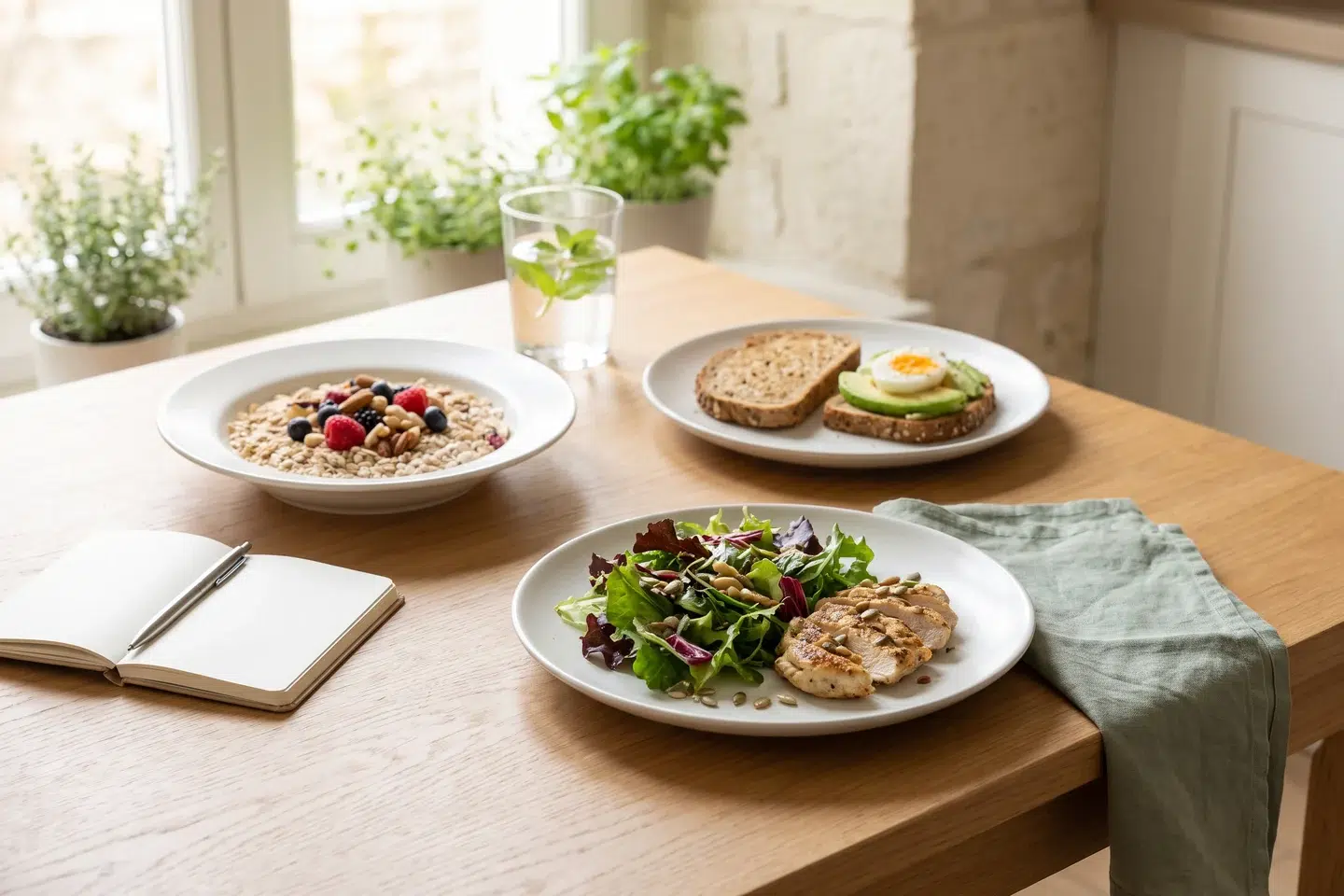
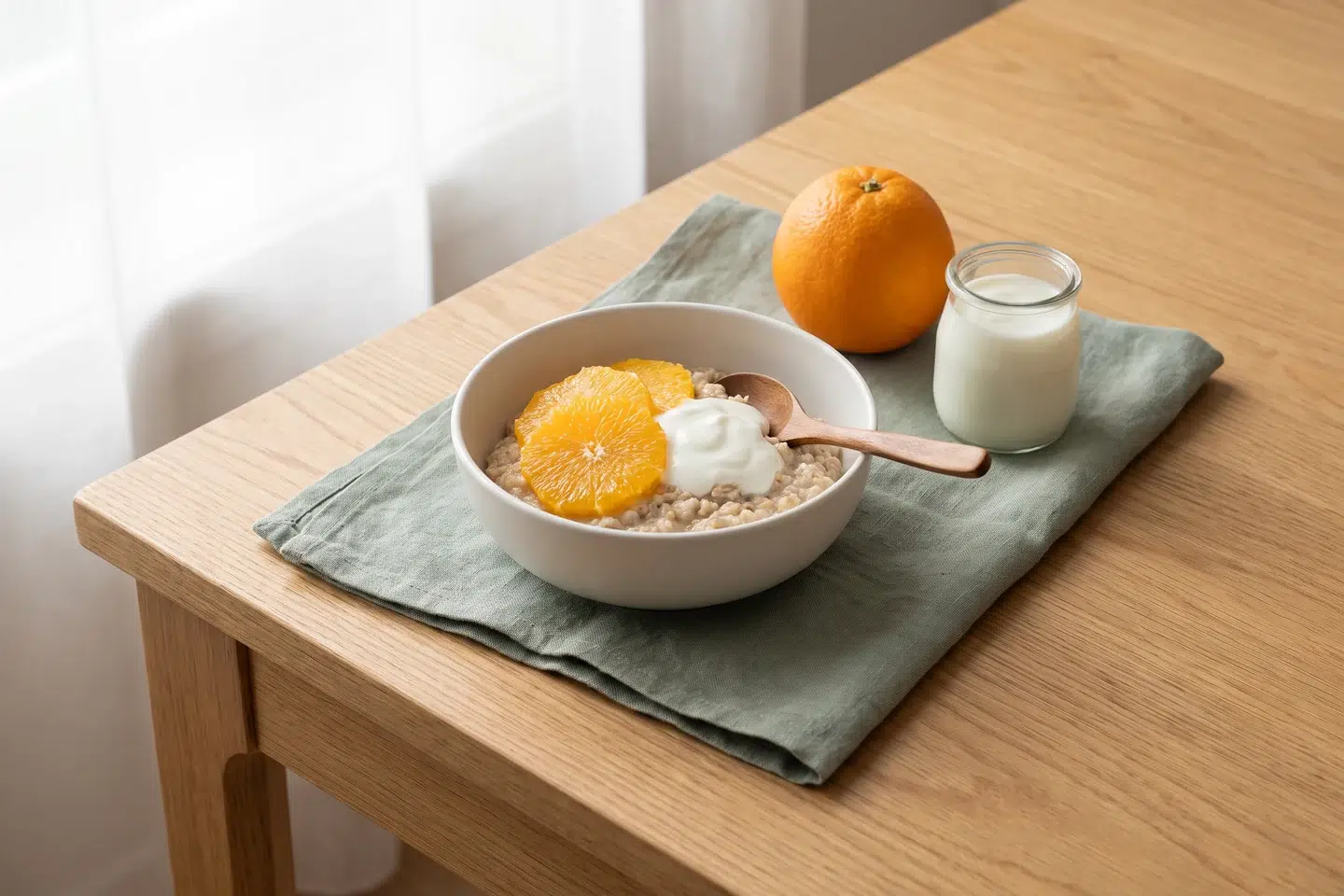
Breakfast: muesli made of oatmeal, walnuts, sunflower seeds, chickpeas, chia seeds, flax seeds. Add kefir/yogurt and fruit of your choice (berries or bananas) to the muesli.
Lunch: baked salmon meat with potato salad, cucumbers and tomatoes.
Dinner: two toasts covered with guacamole sauce and vegetables of your choice.
Day 3
On the third day, the fast is extended for another hour, and it is allowed to eat for a period of 10 hours.
Breakfast: Two toasts with young cheese, green salad, prosciutto, cherry tomatoes (you can add low-calorie vegetables you like).
Lunch: Rice with broccoli and chicken with sauerkraut and allspice salad.
Snack: two rows of chocolate as desired.
Day 4
Fasting is extended by another hour, and the time frame for eating lasts 9 hours.
Breakfast: scrambled eggs with two slices of bacon and green salad and arugula.
Lunch: Lentil soup and cabbage salad
Dinner: Salad with tuna, lettuce, garlic, tomato and young cheese and spices as desired.
Day 5
On the fifth day, the goal is reached, where food is consumed within 8 hours, and 16 hours of fasting.
Breakfast: 3 pieces of bread with cheese, spinach, with which you can drink a cup of kefir or yogurt.
Lunch: grilled meat and baked potatoes (save enough to have for the next day).
Dinner: two slices of toast with marmalade or a fruit salad of tangerines, berries and bananas.
Day 6
On the sixth day, you should notice positive changes in the body, such as easier digestion, higher energy levels, and the absence of swelling. Mild physical activity (eg 30 minutes of brisk walking) is recommended to speed up the weight loss process.
Breakfast: muesli with oatmeal, flax seeds, chia seeds, sunflower seeds, walnuts, almonds, yogurt and fruit as desired.
Lunch: grilled meat, baked potatoes and a light salad as desired.
Dinner/snack: dark chocolate (2 bars) or one whole pomegranate.
Day 7
Breakfast: Vegetable and white meat salad. You will need cooked white meat, feta cheese, olives, lettuce, peanuts or almonds, cucumber, tomatoes, flax seeds, rocket, parsley, turmeric, salt, pepper and balsamic dressing.
Lunch: bran and cabbage.
Snack: apple with honey and cinnamon.
Signs and symptoms of autophagy
Autophagy happens naturally, without our knowledge. There will be no symptoms, because it is a natural process that takes place in the background and does not disturb the functioning of the organism on a daily basis.
Side effects and risks of autophagy
Side effects of autophagy can be hunger, headache and constipation during the first few days. A higher water intake is advised to reduce headaches and stimulate digestion.
The research is still in its early stages, but some studies have found that too much autophagy can lead to certain health risks. For example, research suggests that excessive autophagy can cause heart cell death, which can contribute to heart problems.
While other research suggests that autophagy may be protective against cancer, doctors note that some types of cancer cells actually benefit from using autophagy to survive.
For example, a study in the International Journal of Molecular Sciences in November 2018 found that autophagy can both suppress and help cancer tumors. More research is needed to further shed light on the link between autophagy and cancer.
Who should not follow the autophagy diet?
Autophagy diet is not recommended for pregnant women, nursing mothers, developing children, diabetics or people suffering from chronic diseases.
In short
Autophagy is a metabolic process that helps burn fat and accelerates the weight loss process. It is a natural process that has many health benefits, but it declines with age. There are several ways to trigger autophagy, some of which are fasting, caloric restriction, or exercise. Until now, there have not been enough studies to explain the definitive effect of autophagy on the body.
If you feel that autophagy is too demanding, you don't have time to cook every day, or you can't follow this diet for health reasons, then the FittPro Team offers you a solution in the form of 2 dietary regimes. It's the first ByeBye Weight if you want to lose weight in a healthy and natural way without harming your health. And others Hello Balance if you want to eat a balanced, healthy, varied and unrestricted diet.