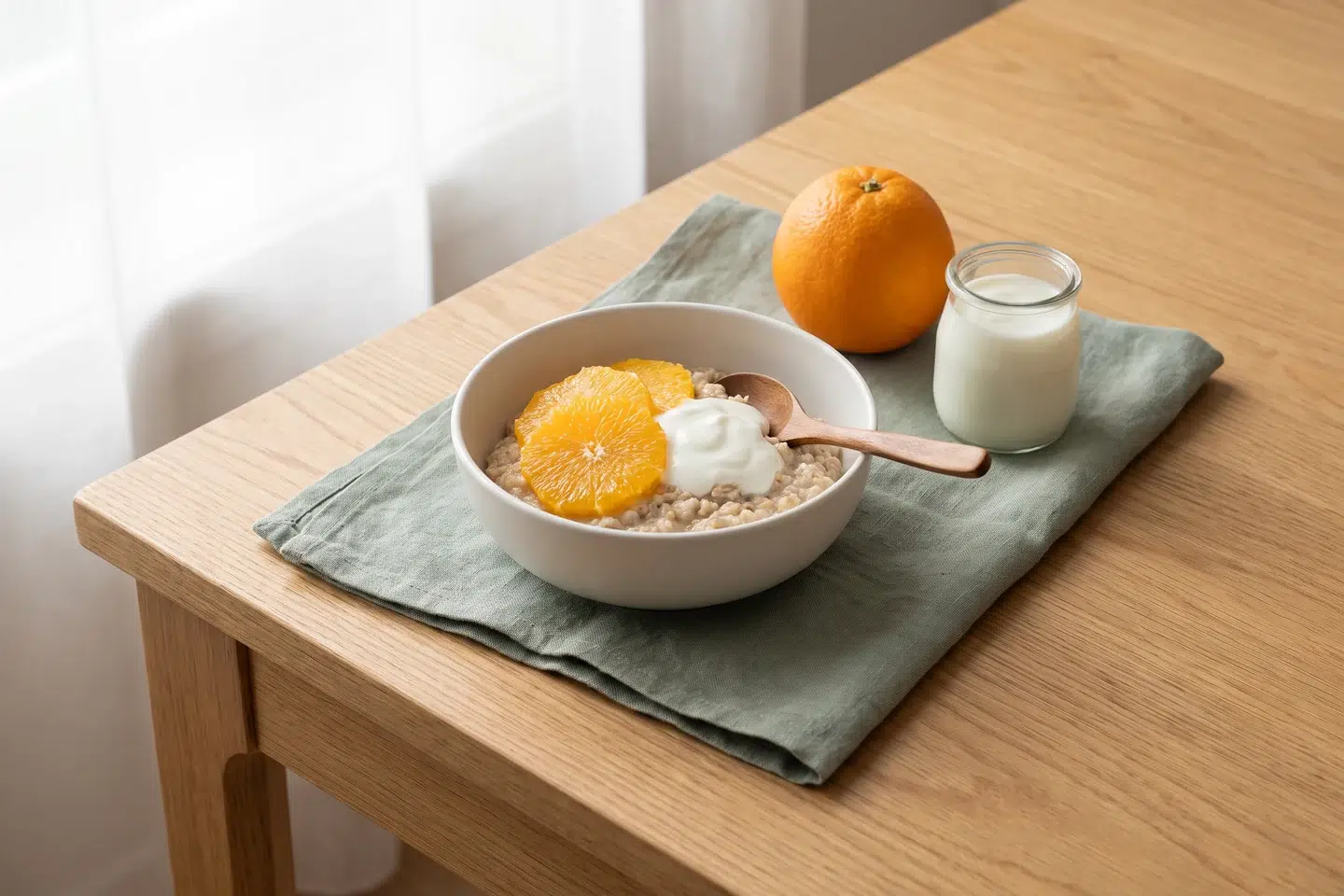
Polenta, perhaps better known as kačamak, is a delicious dish made by cooking ground cornmeal in salted water. When the grains absorb water, they soften and turn into a creamy porridge-like dish. You can add spices or grated cheese for a richer taste.
Originally from northern Italy, polenta is cheap, easy to prepare and extremely versatile, so it's worth getting to know it better. In this article, learn about the calories, nutritional values and impact of polenta on your health.
Table of nutritional values of polenta per 125 grams
| Energy value | 80 kcal |
|---|---|
| Proteins | 2 grams |
| Carbohydrates | 17 grams |
| Fibers | 1 gram |
| Fats | 1 gram |
| Sugar | 1.6 grams |
How many calories does polenta have?
125 grams of polenta contains 80 calories. Polenta is easy to prepare and is good as a side dish with a protein source or vegetable of your choice. It contains a lot of complex carbohydrates that help you feel fuller for longer, but it is not too high in calories.
How many carbs does polenta have?
125 grams of polenta contains 17 grams of complex carbohydrates. Complex carbohydrates are digested more slowly. Thus, they help you feel fuller for longer and provide longer-lasting energy throughout the day.
How much fat does polenta have?
125 grams of polenta contains only 1 gram of fat. Polenta is naturally low in fat and can be eaten as part of a heart-healthy diet. If you want to reduce your intake of saturated fat, cook polenta with water, vegetable milk or soup instead of dairy milk, and also avoid adding cheese or butter.
How much protein does polenta have?
125 grams of polenta contains 2 grams of protein. Polenta contains protein and fiber that help you feel full, although polenta is not a very protein-rich food. Therefore, try to combine polenta as a supplement with other protein foods and thereby increase your daily protein intake.
How much fiber do bananas have?
125 grams of polenta contains 1 gram of fiber. Fiber is recommended for the proper functioning of the digestive system, for feeding intestinal bacteria and for preventing constipation. Despite containing nearly 90% of carbohydrates, polenta contains fiber that helps you feel full while also reducing blood sugar spikes.
Polenta and health
Polenta is a healthy gluten-free food and a good source of antioxidants that help protect your eyes and reduce the risk of certain chronic diseases. Polenta should not negatively affect your blood sugar levels as long as you stick to the optimal portion size. See more health benefits of polenta for your body:
Polenta helps regulate blood sugar
The glycemic index (GI) shows how much a certain food can raise blood sugar levels on a scale of 1 to 100. Glycemic load (GL), on the other hand, is a value that affects portion size to determine how a food can affect blood sugar levels. While polenta is high in starchy carbohydrates, it has an average GI of 68, meaning that it should not raise your blood sugar too quickly. It also has a low GL, so yes it shouldn't cause your blood sugar to rise too high in the blood after eating polenta.
Polenta is rich in antioxidants
The yellow cornmeal used to make polenta is an important source of antioxidants, compounds that help protect cells in your body from oxidative damage. By doing so, they can help reduce the risk of certain age-related diseases.
Polenta does not contain gluten.
Corn, and therefore cornmeal, is naturally gluten-free, so polenta can be a good food choice if you follow a gluten-free diet. However, it's always a good idea to read the ingredient label carefully. Some manufacturers may add gluten-containing ingredients, or the product may be manufactured in a facility that also processes gluten-containing foods, increasing the risk of cross-contamination.
Polenta and weight loss
Polenta is low-calorie, and as such it is good food for weight loss. Not only is polenta versatile and delicious, but it is also a friend of a slim line as it helps against cellulite and water retention. It is easily digestible and gives a feeling of satiety that lasts for a long time, and also fights against flatulence.