Inflammatory processes in the body can be the culprit of numerous ailments - from fatigue to chronic diseases. That's why anti-inflammatory diet (anti-inflammatory diet) increasingly popular. In this text, you will find out what anti-inflammatory diet is, which foods cause inflammation in the body and which calm it down, and how such a diet can improve your health. Find out how foods rich in natural antioxidants and omega-3 fatty acids supports the immune system and reduces the risk of heart disease, arthritis, diabetes and other chronic diseases.
What is anti-inflammatory nutrition and anti-inflammatory diet?
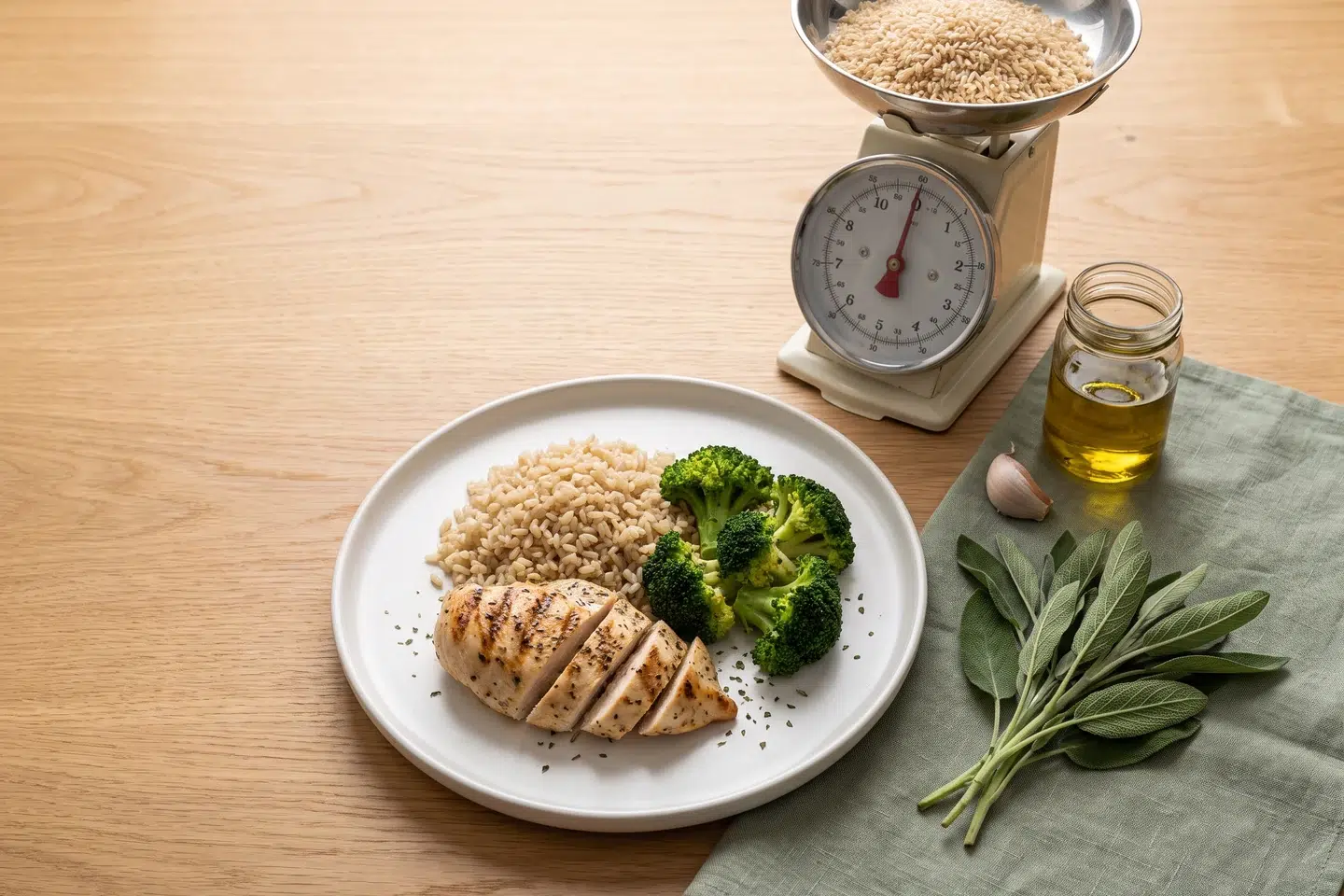
An anti-inflammatory diet is a way of eating that helps reduce inflammation in the body. As nutritionist Brittany Scanniello explains, "an anti-inflammatory diet is an eating plan that works to reduce or minimize mild inflammation in our body". It's not a strict weight-loss diet, but a lifestyle – a healthy menu rich in vegetables, fruits, whole grains, healthy fats (like olive oil and nuts) and lean proteins (eg fish, chicken). An anti-inflammatory diet means avoiding processed foods, sugar and saturated fats that accompany inflammatory processes. In short, the diet is focused on the intake of foods with anti-inflammatory properties, which protect cells from damage, and the elimination of pro-inflammatory foods (highly processed products, fast food, alcohol) that can promote inflammation.
Anti-inflammatory diet (nutrition) should become a part of everyday life and thus directly affect the reduction of inflammatory markers. In other words, such a menu can help your body fight inflammation on its own, because it provides nutrients that stimulate the immune system and protect healthy cells.
How does inflammation occur in the body and why is it an important process?
Inflammation is the body's natural defense reaction to infection, injury or irritation. When something injures tissue or attacks the body, the immune system sends "inflammatory cells" to the site of the problem. That is why swelling, redness and pain occur - classic signs of inflammation. This process is normal and helps with healing: think of it as the police protecting the body from intruders. However, when inflammation it takes too long or is constantly activated, it is no longer useful - it becomes chronic. Chronic inflammation of severely diseased cells damages tissue and can lead to serious problems. As rheumatologist Dr. Jeremic, when inflammation becomes chronic, it can cause pain, swelling, and damage to joints and organs. Long-term inflammation in the body accelerates aging, leads to the loss of tissue functions and is actually the root cause of many diseases - from cardiovascular disorders to cancer and autoimmune conditions.
Therefore, it is important to recognize the difference between acute inflammation (short-term, beneficial) and chronic inflammation (permanent, harmful). When the body keeps the inflammatory process "on" for too long, chronic symptoms appear - constant fatigue, joint pain, digestive problems, and even depression. This is exactly where anti-inflammatory nutrition comes into play, which tends to extinguish the continuous "fire" of inflammation in the body. Through adapted food intake, this way of eating encourages cell regeneration and restores hormonal balance, which indirectly leads to pain reduction, better metabolism and better general health.
What foods cause inflammation and the pro-inflammatory diet
The first step in fighting inflammation is to recognize what triggers it. Namely, there are foods that are known to cause inflammation in the body. This is what we call a pro-inflammatory diet - mostly processed and processed foods. It is rich in sugar, white flour, trans-fats (found in cheap snacks, margarine, ready-made cakes) and various additives. All these foods interfere with normal processes in the body: they increase the level of inflammatory markers and damage healthy cells. For example, he advises avoiding refined grains and processed products because they "increase the risk of heart disease and cancer."
In the anti-inflammatory diet, it stands out: avoid sweets, white bread, fast carbohydrates, snacks and alcohol, but also fried food and industrial cheeses. All these foods contain numerous artificial additives that can trigger various inflammatory processes. In translation, every serving of fast food or pudding powder can be like pouring gasoline on an open wound of inflammation. In addition, too much red meat and dairy products can also stimulate the production of inflammatory hormones. In any case, the "foods that cause inflammation" often coincide with those that you already know you should avoid - processed sugars, sodas and sweets accelerate the creation of inflammation in the body.
Anti-inflammatory foods: anti-inflammatory foods and their properties
On the contrary, anti-inflammatory food is rich in ingredients that calm inflammatory processes and protect the body from damage. According to research, certain foods literally "reduce the risk" of developing chronic diseases because they contain antioxidants and anti-inflammatory substances. For example, polyphenols in berries and curcumin (the active ingredient in turmeric) have anti-inflammatory properties that have been proven to reduce the levels of inflammatory markers in the blood in humans. In addition, antioxidants from vegetables and fruits "stimulate the immune system to fight inflammation" and strengthen the body's defenses.
In general, there is a lot of anti-inflammatory food fruits, vegetables, whole grains and healthy fats. Lean meat and fish are chosen as proteins, and omega-3 fatty acids (from fatty fish, nuts and linseed oil) and olive oil, whose anti-inflammatory properties have been scientifically proven, are considered healthy fats. Nuts and seeds contain fiber and vitamins that also neutralize inflammation. Citrus peels, spices such as cinnamon and ginger, as well as green tea, have an anti-inflammatory effect. In short, anti-inflammatory diet is rich in plant foods full of nutrients that work together to restore the body and prevent damage from chronic inflammatory processes.
Omega-3 fatty acids and other important nutrients
Among all the individual foods, omega-3 fatty acids (salmon, tuna, sardines, walnuts, flax seeds) play a key role. They affect inflammation by reducing the secretion of inflammatory proteins in the body - for example, they reduce C-reactive protein (CRP) and interleukin-6, which are indicators of inflammation. Simply put, omega-3 calms the "fire" inside the cells. This is why it is often said that we need an "omega-3 rich" meal in an anti-inflammatory diet plan.
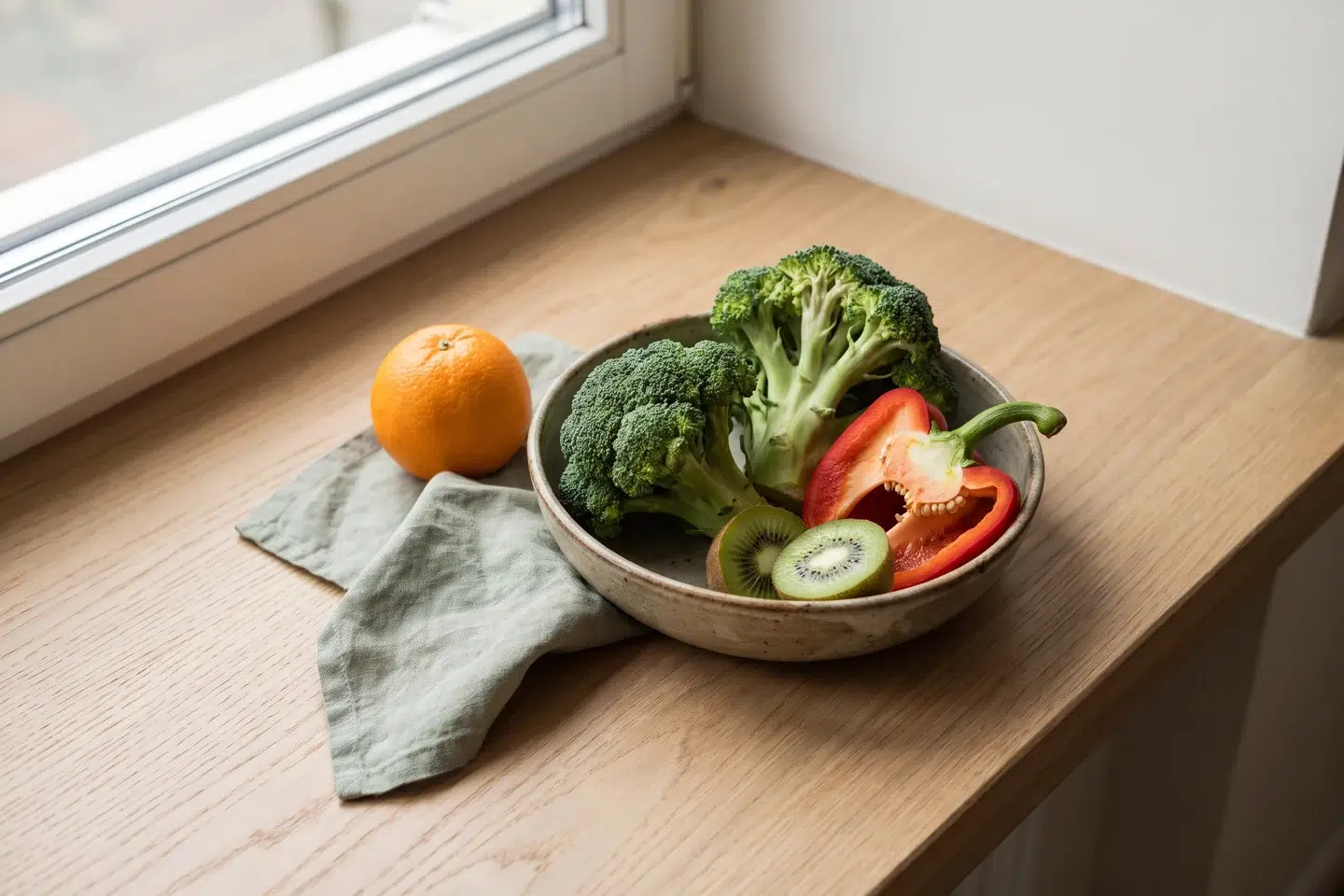
Another important category is green leafy vegetables (kale, spinach, Swiss chard). It has strong anti-inflammatory components and is rich in vitamins A, C, K, magnesium, iron and calcium . Together, these ingredients help protect cells and preserve connective tissue. Studies show that green leafy vegetables "contain anti-inflammatory properties" and a lot of phytonutrients and antioxidants, which they help protect the body from cell damage. Similarly, berries (raspberries, blueberries) and other types of vegetables (broccoli, peppers) are rich in antioxidants that reduce oxidative stress and inflammation. In practice, this means: the more varied fruits and vegetables you eat each day, the less opportunity there is for chronic inflammation to grow.
In addition to them, various other foods also help: avocado, olive oil and seeds (chia, flax) contribute to the anti-inflammatory effect through healthy fats. Mushrooms like shiitake and reishi are also interesting: they have complex compounds (beta-glucans) that "stimulate the immune system" and relieve inflammation in the whole body. Even regular chocolate with a high percentage of cocoa can partially contribute - because it is rich in flavonoids that fight against free radicals and reduce inflammation. In short, anti-inflammatory food is based on natural, unprocessed foods that nourish the body and do not cause harmful processes in the body.
Nutrition and Chronic Disease: How an Anti-Inflammatory Diet Helps
When the inflammation is not stopped, it can lead to chronic diseases. Scientific research indicates that inflammatory processes can "contribute to a wide range of chronic diseases" - such as metabolic syndrome (type 2 diabetes, hypertension, obesity), cardiovascular diseases or obesity. Chronic inflammation in the body has also been linked to arthritis, Alzheimer's disease and some cancers. The human body monitors inflammatory markers as a signal that something is wrong - often higher levels of these markers are present in people with heart disease and diabetes.
Good results can be achieved by changing the diet. For example, changing from a "Western" to a Mediterranean or anti-inflammatory diet significantly "reduces the risk of heart disease, diabetes and Alzheimer's disease". A Cleveland Clinic/Harvard Health study suggests that dietary adjustments may be even more effective in controlling inflammation than short-term medications. This practically means: a diet rich in antioxidants and unsaturated fats - such as fish, olive oil, nuts and green vegetables - directly "reduces the risk of diseases" related to cell damage.
In diseases such as arthritis and psoriasis, where the body constantly attacks its own tissues, anti-inflammatory foods can relieve symptoms. For example, rheumatoid arthritis, lupus, and inflammatory bowel disease often worsen when the inflammation becomes chronic. Experts therefore recommend an anti-inflammatory diet to everyone - especially those who have a history of rheumatic diseases or indicators of constant inflammation. By introducing a proper menu with lots of vegetables, fruits, fish and healthy fats, you can greatly reduce the extent of inflammatory processes and improve your general condition. Indeed, according to experts: "reducing inflammation immediately relieves fatigue and increases concentration", and in the long term this type of diet protects us "from heart problems" and other diseases
How nutrition supports the immune system and hormonal balance
Along with anti-inflammatory food comes better regulation of hormones and immunity. A strong anti-inflammatory diet helps prevent systemic inflammation from destroying hormones that regulate hunger and fat storage (e.g. insulin, cortisol), so there is greater hormonal balance in the body. Programs adapted to people with insulin resistance (eg. IR Bye Bye Weight or IR Hello Balance) are designed to stabilize blood sugar levels and reduce hormone imbalances - precisely to prevent inflammatory waves caused by a fatty and sugary diet. Thus, part of the anti-inflammatory routine can be the reduction of insulin through appropriate nutrition, which also reduces autoimmune reactions.
Also, a good anti-inflammatory diet is enriched with directly strengthening nutrients immune system. Foods full of vitamin C (citrus, peppers, berries), zinc (nuts) and beta-glucans (some mushrooms, oatmeal) train the immune system to respond effectively to viruses and bacteria. Special detox juice programs are often mentioned in the anti-inflammatory diet: cold-pressed fruit and vegetable juices promote liver detoxification and increase energy levels, while "they strengthen the immune system and the body's resistance" during the short-term program. In short, proper nutrition makes the immune system more resilient to external threats – instead of perpetuating inflammation. In fact, in a sip of certain natural juices, you can get a bunch of vitamins and minerals that help your body fight infections and chronic inflammation.
Tips for applying anti-inflammatory nutrition in everyday life
Practical advice is that the diet should be rich in fiber, green herbs and healthy fats. Try to make each meal contain some color - eg. colorful salad, soups with vegetables or roasted vegetables with olive oil. Meals should include whole grains and legumes (beans, lentils) for fiber and protein, but without excess flour and bread. As a substitute for red meat, he often uses salmon, tuna or sardines - sources of omega-3 fatty acids. Among the spices, turmeric and ginger are anti-inflammatory, so feel free to add them to soups, stews or smoothies.
Every time you feel hungry between meals, have a handful of nuts or a handful of berries instead of snacks. Fiber and water from fruits and vegetables help maintain an optimal weight, which is important for reducing general inflammation - namely, fat tissue produces inflammatory hormones. Along with a good nutrition plan, it is important to drink enough fluids (preferably water or unsweetened teas) as this promotes nutrient transport and detoxification. In short, a diet rich in whole foods means that in one glass of soup or plate of salad you have taken essential substances to fight against inflammation.
Highlights of the Anti-Inflammatory Diet:
- Balanced meals: Focus on vegetables, fruits, whole grains, lean proteins and healthy fats. Such a one anti-inflammatory food it is rich in antioxidants and shortens the body's fight against inflammation.
- Avoiding processed foods: Sugar, white flour, trans-fats and industrial additives greatly contribute to inflammatory processes. Pro-inflammatory food (fast food, snacks, cakes) can cause inflammatory processes in the body.
- Omega-3 and “good” fats: Fatty fish, nuts, seeds and olive oil contain substances that calm inflammation and improve heart health. Omega-3 fatty acids specifically reduce inflammatory markers (CRP, interleukin-6) in the body.
- Green vegetables and fruits: Kale, spinach, broccoli, peppers, berries and citrus fruits are rich in vitamins and antioxidants. These foods have anti-inflammatory properties and help the immune system "hit a break" - helping you fight inflammation.
- Support for the immune system and detoxification: A regular diet rich in anti-inflammatory foods helps the immune system and prevents chronic inflammation. Occasional short-term detox juices (eg X/O Detox) can additionally speed up the body's detox and boost energy.
- Prevention of chronic diseases: A proper anti-inflammatory diet reduces the risk of diseases such as heart disease, arthritis and diabetes. Reducing inflammation through nutrition protects the body in the long term and can alleviate the symptoms of chronic diseases.
Finally, FITT Pro Team offers a range of products that can further support an anti-inflammatory lifestyle. For example, a program Bye Bye Weight is a balanced diet for healthy weight loss that helps regulate body weight and reduce inflammation by reducing the intake of processed foods. Similarly, the program Hello Balance stabilizes your eating habits and helps maintain an optimal weight with more energy every day. For those with hormonal imbalance or insulin resistance, there are specialized IR versions of the program: IR Bye Bye Weight and IR Hello Balance, which monitor blood sugar levels and support hormones, additionally helping to fight against inflammatory processes in the body.
In addition, X/O Detox juices are made from over 30 organic ingredients and contain enzymes and antioxidants that strengthen immunity and accelerate metabolism while providing detoxification of the body. X/O Slim juices also promote permanent weight loss while strengthening immunity - as stated by the manufacturer, these juices "they strengthen the immune system and the body's resistance" while encouraging the release of toxins. And finally, X/O Immune juices directly target the strengthening of your body's defenses - they contain a combination of clean food and plant extracts (nettle, lime, parsley, chicory) that improve the blood count, support the body's pH balance and effectively fight against low iron levels, all in order to "strengthen the immune system and resistance to external influences".
Combined with a balanced menu, these products can help you reduce inflammation, support the immune system, balance hormones, and detoxify. In this way, the anti-inflammatory routine becomes a holistic approach that brings your health into balance.