Bilirubin is a yellow pigment produced by the breakdown of hemoglobin from old red blood cells. When red blood cells reach the end of their lifespan, hemoglobin is broken down into bilirubin in the liver, spleen, and bone marrow. The liver then processes the bilirubin and expels it from the body via the bile into the intestines, where it is eventually excreted in the stool. That's why the stool is dark. In cases where the level of bilirubin in the blood is too high, the skin and sclera can turn yellow, a condition known as jaundice.
Proper functioning of the liver is essential for maintaining normal levels of bilirubin in the blood. The liver plays a key role in converting unconjugated (indirect) bilirubin into conjugated (direct) bilirubin, which is water-soluble and can be excreted from the body. If the liver is unable to process bilirubin effectively, it can lead to a build-up of bilirubin in the blood, which can be a sign of serious health problems. Maintaining healthy bilirubin levels is therefore crucial for overall liver and body health.
Causes of elevated bilirubin
Hemolytic anemia
Hemolytic anemia is a condition in which red blood cells are broken down excessively, leading to increased production of bilirubin. When the liver can't process all the bilirubin made from these extra red blood cells, the level of bilirubin in the blood rises, which can result in jaundice.
Gilbert's syndrome
Gilbert's syndrome is an inherited condition that affects the liver's ability to process bilirubin. People with this syndrome lack the enzyme necessary for bilirubin conjugation. Although Gilbert's syndrome is usually harmless, it can cause occasional increases in bilirubin levels, especially during periods of stress, illness, or starvation.
Liver disorders
Various liver disorders, such as hepatitis, cirrhosis or liver cancer, can affect the liver's ability to properly process and excrete bilirubin. A damaged liver is unable to perform its functions effectively, which can lead to the accumulation of bilirubin in the blood and the appearance of jaundice.
Bile duct obstruction
Bile duct obstruction, which can be caused by gallstones, tumors, or inflammation, prevents the normal flow of bile from the liver to the intestines. This blockage leads to a build-up of bilirubin in the liver and blood, which can also result in jaundice.
This information provides a basic understanding of bilirubin and its importance to liver health, as well as the main causes of elevated blood bilirubin levels.
How does diet affect bilirubin levels?
The liver plays a key role in the metabolism of bilirubin. Bilirubin is produced by the breakdown of red blood cells in the spleen and is released into the bloodstream as unconjugated (indirect) bilirubin. This form of bilirubin is toxic and must be conjugated in the liver to become water soluble. Conjugated (direct) bilirubin is then transferred to the bile and excreted via the bile ducts into the intestines. Proper functioning of the liver and gallbladder is essential for maintaining normal levels of bilirubin in the blood and preventing health problems such as obstructive jaundice.
The importance of antioxidants and fiber
Antioxidants and dietary fiber play an important role in protecting the liver and supporting its function. Antioxidants help neutralize free radicals that can damage the liver, while fiber helps eliminate toxins and excess bilirubin from the body. Regular intake of these nutrients can lower blood bilirubin levels and support liver health.
Recommended diet to reduce bilirubin
Fruits and vegetables rich in antioxidants
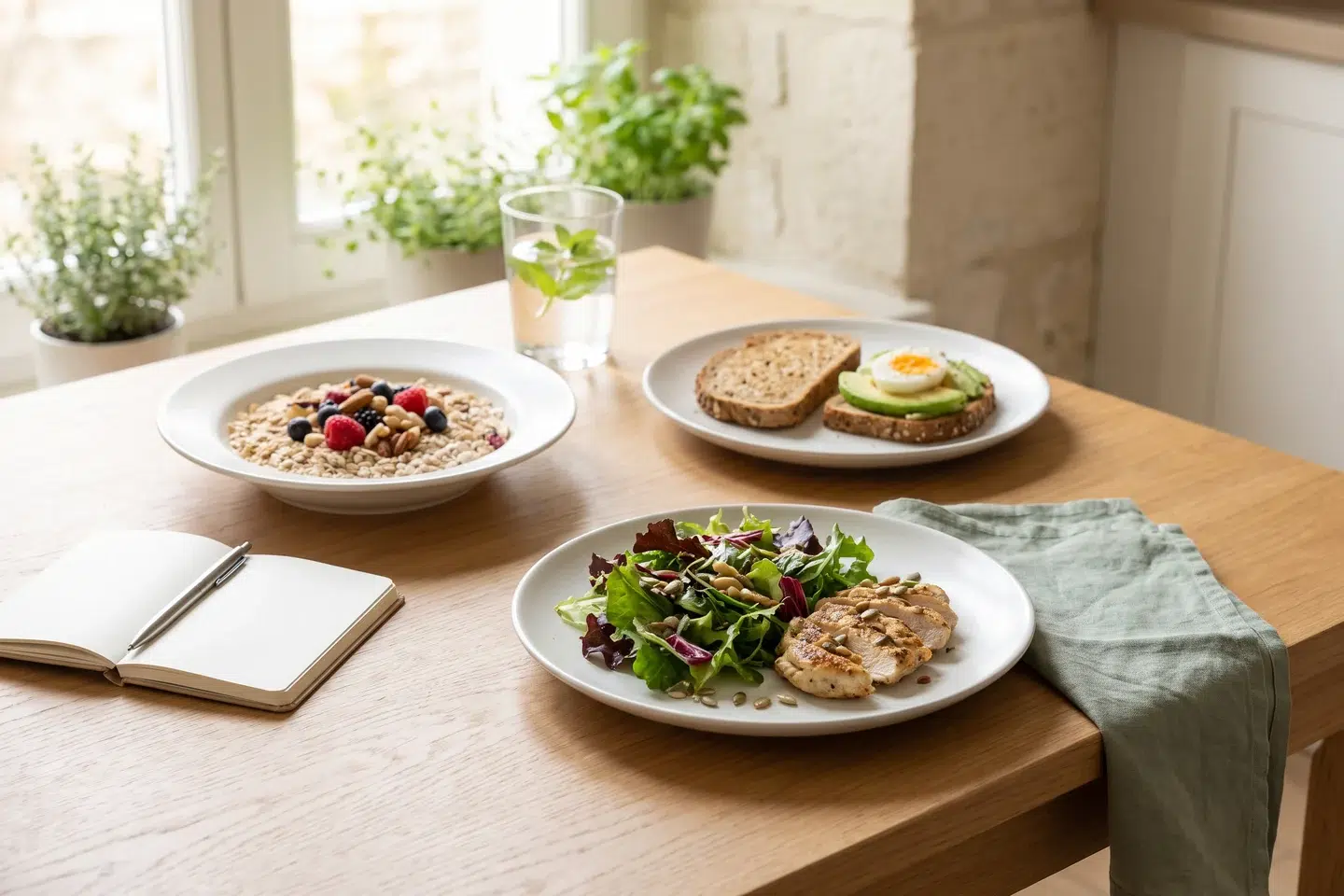
Antioxidant-rich fruits and vegetables, such as blueberries, strawberries, oranges, grapefruit, spinach, and kale, can help lower bilirubin levels. These foods help protect the liver from oxidative stress and support its work.
Foods rich in fiber
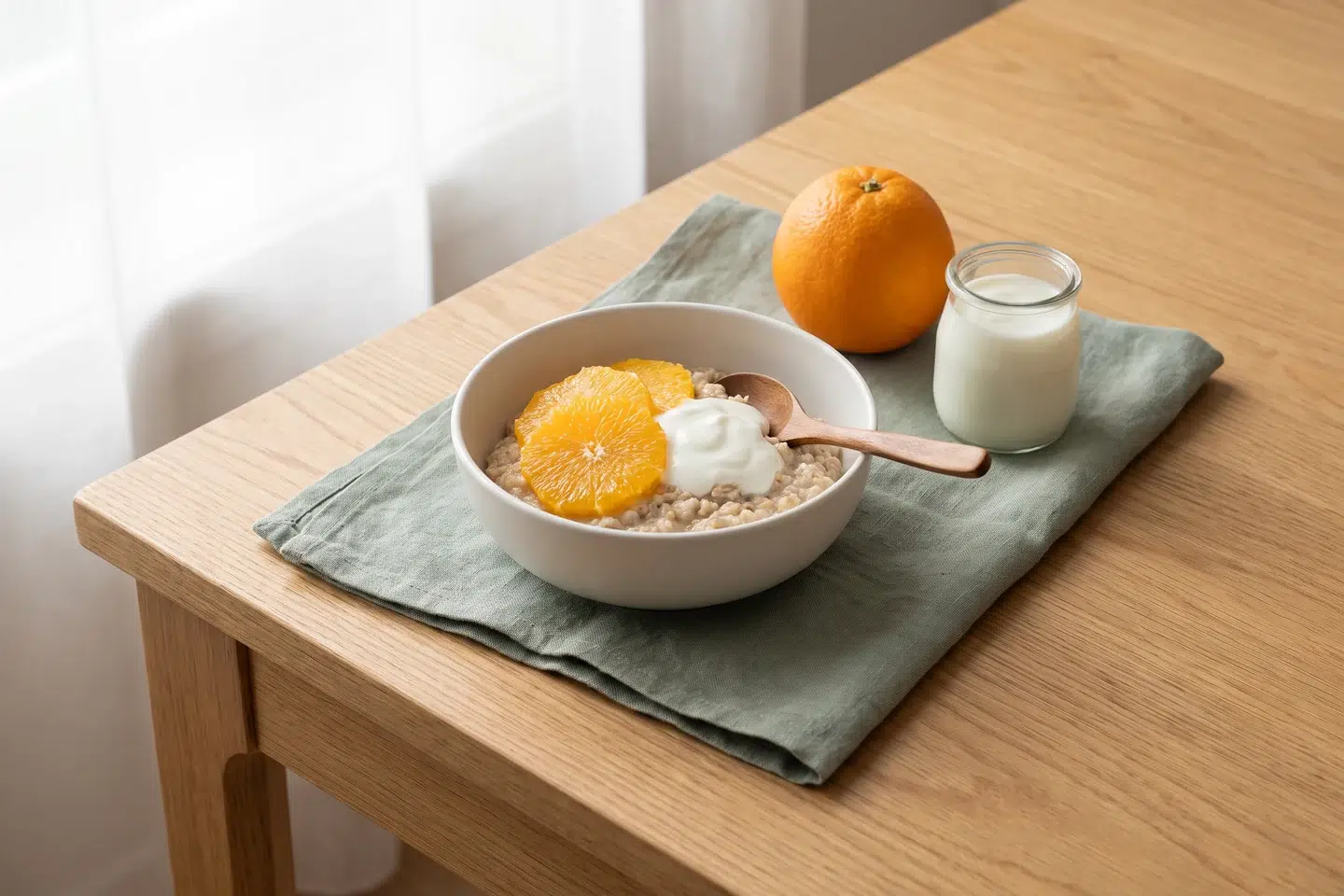
Foods rich in fiber, such as oats, whole grains and legumes, help eliminate bilirubin from the body. Fiber facilitates digestion and helps to clean the intestines, which reduces the burden on the liver.
Foods rich in healthy fats
Healthy fats, found in foods like avocados, olive oil and nuts, help protect the liver and support its work. These fats reduce inflammation and improve liver function, which can help lower bilirubin levels.
Herbal teas
Herbal teas, such as green tea and dandelion tea, are known for their detoxifying properties. Green tea is rich in antioxidants that help protect the liver, while dandelion tea can stimulate bile production and support the elimination of toxins.
By incorporating these foods into your daily diet, you can help your liver metabolize bilirubin efficiently, reduce your risk of high blood bilirubin, and support your overall health.
Foods to avoid
Processed foods and fast food
Processed foods and fast foods contain high levels of saturated fat, trans fat, and sugar, which can negatively affect liver function and increase blood bilirubin levels. These foods often contain additives and preservatives that can cause liver inflammation and interfere with bilirubin metabolism. By avoiding processed foods, the liver can process bilirubin more efficiently and maintain a healthy balance in the body.
Fatty and fried foods
Fatty and fried foods can overload the liver and gallbladder, making it difficult to properly process bilirubin. A high intake of fatty foods can lead to a build-up of fat in the liver, which can cause conditions such as fatty liver (steatosis) and increase the risk of obstructive jaundice. By reducing the intake of fatty and fried foods, the liver can perform its function more efficiently and reduce the risk of elevated bilirubin.
Alcohol
Alcohol has a toxic effect on the liver and can significantly disrupt its work. Regular alcohol consumption can lead to liver damage, including alcoholic hepatitis, cirrhosis and increased blood bilirubin levels. Alcohol interferes with the metabolism of bilirubin and can cause bilirubin to build up in the bloodstream, which can lead to serious health problems. Avoiding or reducing alcohol intake can help preserve liver health and maintain normal bilirubin levels.
Dietary supplements and food additives
Turmeric and its effects on the liver
Turmeric contains curcumin, an active ingredient that has strong antioxidant and anti-inflammatory properties. Curcumin can help protect the liver from damage, support bilirubin metabolism, and reduce blood bilirubin levels. Regular intake of turmeric through diet or supplements can have a positive effect on liver health.
Milk thistle as a natural protector of the liver
Milk thistle is known for its hepatoprotective properties, thanks to the active ingredient silymarin. Silymarin helps regenerate liver cells, improves liver function and can reduce bilirubin levels. Milk thistle is often used as a dietary supplement to support liver health.
Probiotics and their role in liver health
Probiotics are beneficial bacteria that can improve gut health and support liver function. They help eliminate toxins and reduce the burden on the liver, which can help reduce bilirubin levels. Adding probiotics to the diet can have a positive effect on bilirubin metabolism and overall health.
Additional tips for keeping bilirubin levels low
Regular exercise
Regular exercise helps maintain a healthy body weight and improves blood circulation, which can support liver function and reduce bilirubin levels. Physical activity promotes the elimination of toxins from the body and can help prevent the accumulation of bilirubin in the bloodstream.
Hydration
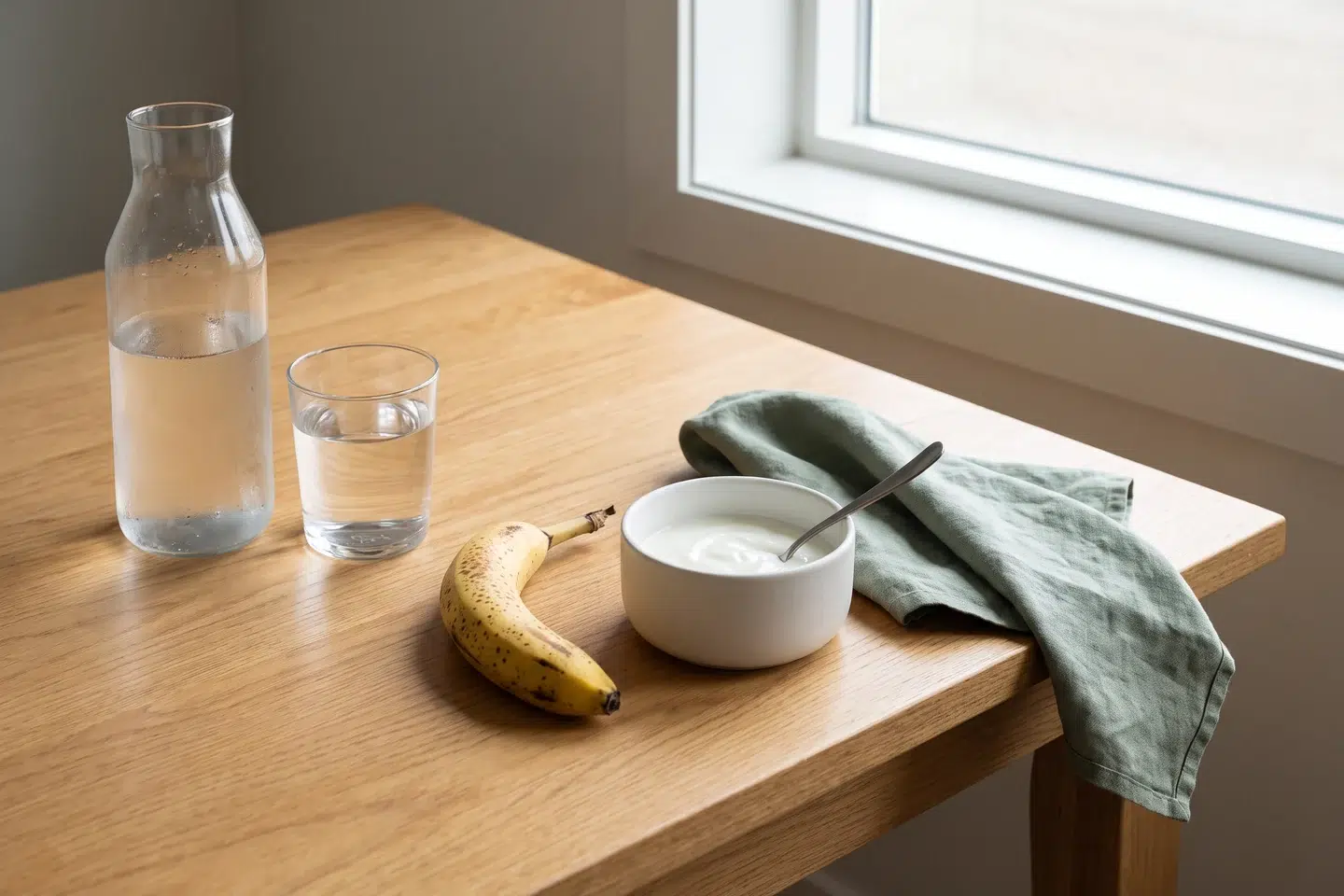
Adequate water intake is essential for maintaining healthy liver function. Water helps eliminate toxins and metabolic waste products, including bilirubin, from the body. Drinking enough water every day can support the metabolism of bilirubin and reduce the risk of its accumulation.
Avoiding stress
Stress can negatively affect liver function and increase bilirubin levels. Chronic stress can cause inflammation and worsen conditions such as Gilbert's syndrome, which is a genetic condition associated with elevated bilirubin. Relaxation techniques such as meditation, yoga and deep breathing can help reduce stress and support liver health.
Conclusion
Bilirubin is an important pigment produced by the breakdown of red blood cells and plays a key role in the functioning of the liver. Proper maintenance of blood bilirubin levels is essential for liver health and overall health. Through a proper diet, rich in antioxidants, fiber and healthy fats, it is possible to reduce bilirubin levels and support liver health.
We encourage you to pay attention to your daily intake of nutrients that can help maintain healthy bilirubin levels. By implementing a balanced diet that includes fruits, vegetables, whole grains, nuts, and herbal teas, you can significantly improve liver function and overall health. Avoiding processed foods, fatty foods and alcohol will further support your liver in efficiently metabolizing bilirubin.
We understand the importance of a balanced diet to achieve your health goals and maintain optimal bilirubin levels, so at Fitt Pro Team we have prepared nutrition programs for you Bye Bye Weight and Hello Balance which, in addition to controlling the level of bilirubin, provide all the necessary nutrients for a healthy and balanced life. Join us on the journey to better health and vitality.