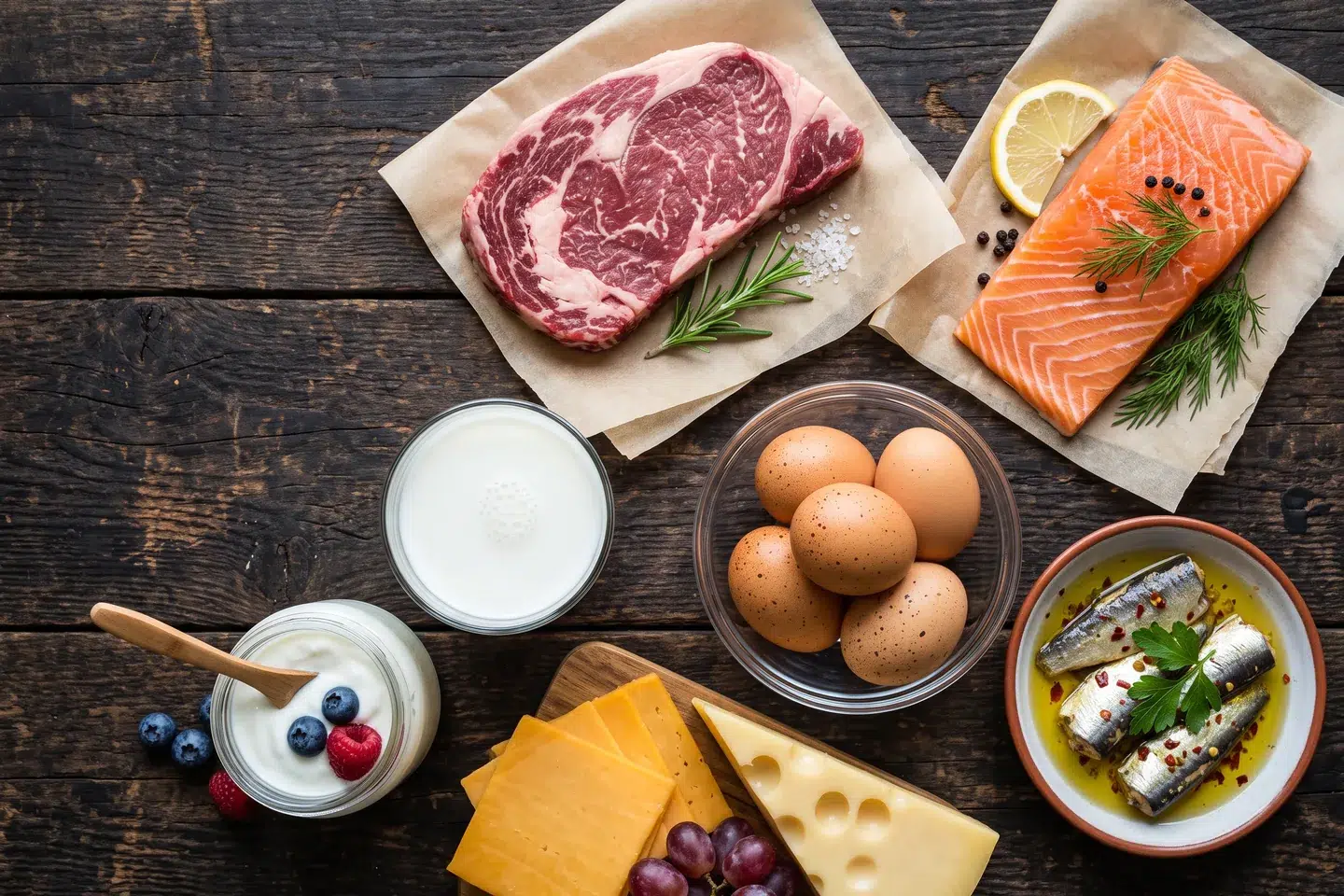
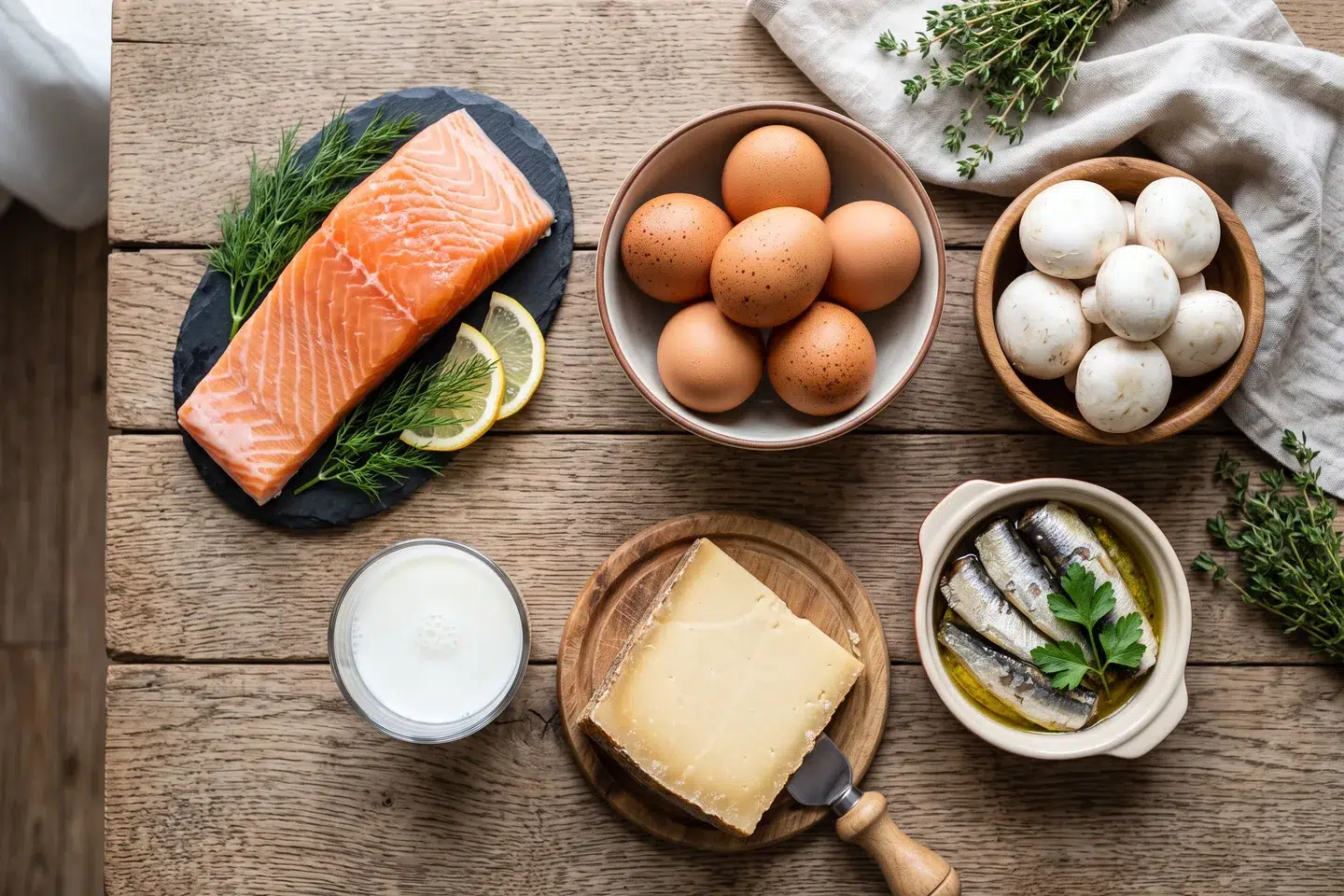
Potassium plays a key role in maintaining the health of our body. This essential mineral is vital for numerous physiological processes, including regulating fluid balance, maintaining normal blood pressure, and proper functioning of the nervous system and muscles. Its importance comes to the fore especially in the processes that enable heart rhythm, which makes it irreplaceable for healthy heart.
The importance of potassium for the health of the body
Potassium enables the transmission of nerve signals that control muscle movement and body reactions, thus enabling coordinated movements, precision in muscle work and general motor skills. In addition, potassium is necessary for maintaining stable blood pressure and preventing cardiovascular diseases. Given its ability to neutralize the effects of sodium, potassium helps reduce the risk of hypertension, which is directly linked to a reduced risk of stroke and heart disease.
Common sources of potassium and recommended daily intake
Potassium is found naturally in many foods, which makes it easy to include it in your daily diet. Fruits such as bananas, oranges, avocados and dried fruits (especially prunes and figs) are rich sources of potassium. Vegetables such as potatoes, sweet potatoes, tomatoes and leafy green vegetables (spinach, kale) also contain high amounts of this mineral. Legumes, whole grains, nuts (especially almonds and walnuts), and dairy products are additional good sources of potassium.
The recommended daily intake of potassium for adults is about 3,500-4,700 mg. However, most people do not get enough potassium in their diet, which can lead to health problems. Balancing potassium and sodium (salt) intake is key to maintaining optimal blood pressure and heart health.
Because of all the above, potassium not only deserves its place in our diet, but should also be one of the priorities when it comes to nutritional intake. Consciously including foods rich in potassium in our daily meals can significantly contribute to preserving and improving our health.
Foods rich in potassium
Seeds
Seeds are often overlooked heroes of a healthy diet, and sunflower and pumpkin seeds stand out among them due to their high potassium content. Just one cup of sunflower seeds can contain over 450 mg of potassium, while pumpkin seeds offer about 588 mg per cup. Apart from potassium, these seeds are also rich in healthy fats, proteins, vitamins E and B, as well as minerals such as magnesium and iron. Regular inclusion of these seeds in the diet can contribute to better blood pressure control, strengthening the heart and improving digestive health.
Dairy products
Dairy products are traditionally known as good sources of calcium, but they also provide significant amounts of potassium. For example, a cup of milk can contain about 350-380 mg of potassium, while the same amount of yogurt can reach up to 600 mg. The type of milk (whole, skim, etc.) also plays a role in the amount of available potassium, although the differences are not significantly large. Regular consumption of dairy products can help maintain electrolyte balance, bone health and muscle function.
Fruits and vegetables
Fruits and vegetables are extremely rich in potassium and should be the basis of any healthy diet. Bananas are often the first food that comes to mind when one thinks of potassium, with about 420 mg per medium banana. Potatoes and sweet potatoes are also excellent sources, with more than 900 mg of potassium per baked potato. Leafy green vegetables such as spinach and kale offer over 800 mg per cooked cup.
In order to make the most of the potassium from these foods, it is recommended to consume them in fresh or minimally processed form. Bananas are great as a quick snack, while potatoes and sweet potatoes can be baked or boiled for meals. Spinach can be added to smoothies, salads or as a side dish.
Inclusion of a wide range of fruits and vegetables, as well as seeds and dairy products in the daily diet will not only ensure the satisfaction of potassium needs, but will also contribute to the overall improvement of health. Diversifying potassium sources provides a wider variety of other beneficial nutrients that work together to promote health and well-being.
Fish and seafood
Consuming fish and seafood is an extremely healthy way to meet your daily potassium needs while promoting heart health thanks to its high content of omega-3 fatty acids. In addition to containing potassium, these foods are rich in proteins, vitamins of the B complex and are an important source of minerals such as iodine. Salmon, mackerel and sardines are among the types of fish that not only provide significant amounts of potassium but also omega-3 fatty acids that have a protective effect on the cardiovascular system. For example, a medium-sized serving of salmon can contain up to 500 mg of potassium, making the fish an excellent source of this vital mineral.
Legumes
Legumes are an invaluable part of a diet rich in potassium, and at the same time they are a source of fiber and protein, which contribute to the feeling of satiety and the regulation of the digestive system. Beans, lentils and peas are just a few examples of legumes that contain significant amounts of potassium. Beans are especially touted as a source of potassium, where just one cup of cooked black beans can meet around 20% of your daily potassium needs. Adding legumes to salads, soups and stews is an easy way to boost your diet with fiber, protein, vitamins and minerals, including potassium.
Nuts and dried fruits
Nuts and dried fruits are convenient, tasty and nutritionally rich sources of potassium. Almonds, walnuts and Brazil nuts not only contain potassium but are also an excellent source of fiber and vitamin E, which are vital for heart health and general well-being. Dried fruits such as prunes, dates and figs stand out for their high potassium content. For example, just a few medium-sized prunes can provide about 10% of the daily potassium requirement. Including nuts and dried fruits in the diet as a snack or as an addition to morning cereal or yogurt can be an effective and tasty way to increase potassium intake.
In conclusion, potassium-rich foods, such as fish and seafood, legumes, nuts, and dried fruits, are essential for maintaining optimal heart health, regulating blood pressure, and meeting daily potassium needs. Diversification of potassium sources through different food groups enables not only the satisfaction of nutritional needs but also the enjoyment of varied and tasty meals.
Tips for increasing potassium intake
Potassium intake can be increased through a few simple changes in your daily diet. One way is to include more fruits and vegetables, which are known to be an excellent source of potassium, as well as fiber, vitamins A and E. For example, just one cup of spinach contains twice as much potassium as a banana, making it a strong ally in meeting your daily needs for this mineral.
Adding legumes such as beans and lentils to meals not only increases potassium intake but also adds fiber and vitamins A and K to the diet, contributing to overall health. Nuts, although high in calories, provide significant amounts of potassium and should be part of a balanced diet in moderation.
The importance of balancing potassium and sodium intake
For optimal heart health and blood pressure regulation, it is crucial not only to increase potassium intake but also to decrease sodium intake. A potassium-rich diet can help counteract the negative effects of high salt intake, typical of many modern diets. Experts recommend balancing these minerals through careful food selection – limiting processed foods high in sodium and increasing consumption of foods naturally rich in potassium.
Conclusion
Potassium is an essential mineral vital for maintaining heart health, blood pressure regulation, and proper muscle and nervous system functioning. In a world where the content of potassium in the modern diet is often insufficient, it is important to consciously work on increasing its intake by choosing foods that are naturally rich in this mineral.
We invite you to pay attention to your daily intake of potassium and recognize the importance this mineral has for your health. By implementing a balanced diet rich in fruits, vegetables, legumes, nuts, and an adequate balance between potassium and sodium, you can contribute to your overall well-being and vitality. Do not forget, potassium-rich food is not only a step towards better health, but also towards tastier, more varied meals that will enrich your everyday life.
We understand the importance of a balanced diet in achieving your fitness goals and maintaining health, so at Fitt Pro Team we have prepared nutrition programs for you Bye Bye Weight and Hello Balance which, in addition to vitamin A, have balanced and all other nutrients that will help you bring your line to perfection in a healthy way.