What is gastritis and why is nutrition important?
Gastritis is a condition characterized by inflammation of the stomach lining, which can cause discomfort and digestive problems. This inflammation can be acute, when the symptoms appear suddenly and last a short time, or chronic, when the inflammation develops gradually and lasts for a long time. Chronic gastritis often results in permanent damage to the lining of the stomach, increasing the risk of more serious conditions such as stomach ulcers or bleeding.
Diet plays a key role in the development and control of gastritis. Eating fatty, spicy or fried foods, as well as excessive alcohol consumption, can irritate the stomach lining and worsen inflammation. On the other hand, properly balanced diet, which includes easily digestible and nutritionally rich foods, can help reduce symptoms and restore damaged mucosa.
What symptoms does gastritis cause and how to recognize them?
Symptoms of gastritis vary depending on the severity of the condition, but some of the most common symptoms include:
- Pain in upper abdomen, especially after meals
- Burning or heartburn sensation
- Nausea or vomiting
- Bloating and a feeling of fullness in the stomach
Code chronic gastritis, the symptoms may be mild and gradual, but become chronic if not recognized in time. Also, symptoms can worsen when a person consumes foods that further irritate the stomach, such as sour, spicy or fried foods. Timely recognition of symptoms is important to prevent further damage to the stomach lining and reduce the risk of developing a stomach ulcer.
How can proper nutrition help with gastritis?
Proper nutrition is one of the most important factors in the control and treatment of gastritis. A balanced diet can reduce inflammation, facilitate mucosal regeneration and relieve symptoms. Diet for gastritis should be rich in nutrients, but also adapted to minimize stomach irritation.
Easily digestible foods such as cooked vegetables, lean meats, whole grains and probiotics such as yogurt are recommended. These foods help reduce acidity in the stomach, regenerate the mucous membrane and strengthen the intestinal flora, which is important for maintaining the health of the digestive system.
Avoiding foods that irritate the stomach, such as fried foods, caffeine, alcohol and spices, is a key part of any diet for people with gastritis. A properly balanced diet not only reduces symptoms, but also helps prevent recurrences and maintain long-term health stomach.
Recommended foods for people suffering from gastritis
Proper nutrition is a key factor in controlling the symptoms of gastritis and restoring the gastric mucosa. Here is a list of recommended foods that can help people suffering from this condition:
- Cooked vegetables: Vegetables that have been steamed or lightly cooked, such as carrots, broccoli and zucchini, are easily digestible and rich vitamins and minerals. This vegetable does not irritate the stomach and provides the necessary nutrients to support recovery.
- Lean meat: Skinless chicken, turkey and fish are excellent sources of protein that do not burden the digestive system. Proteins are crucial for the regeneration of damaged tissues, including the gastric mucosa.
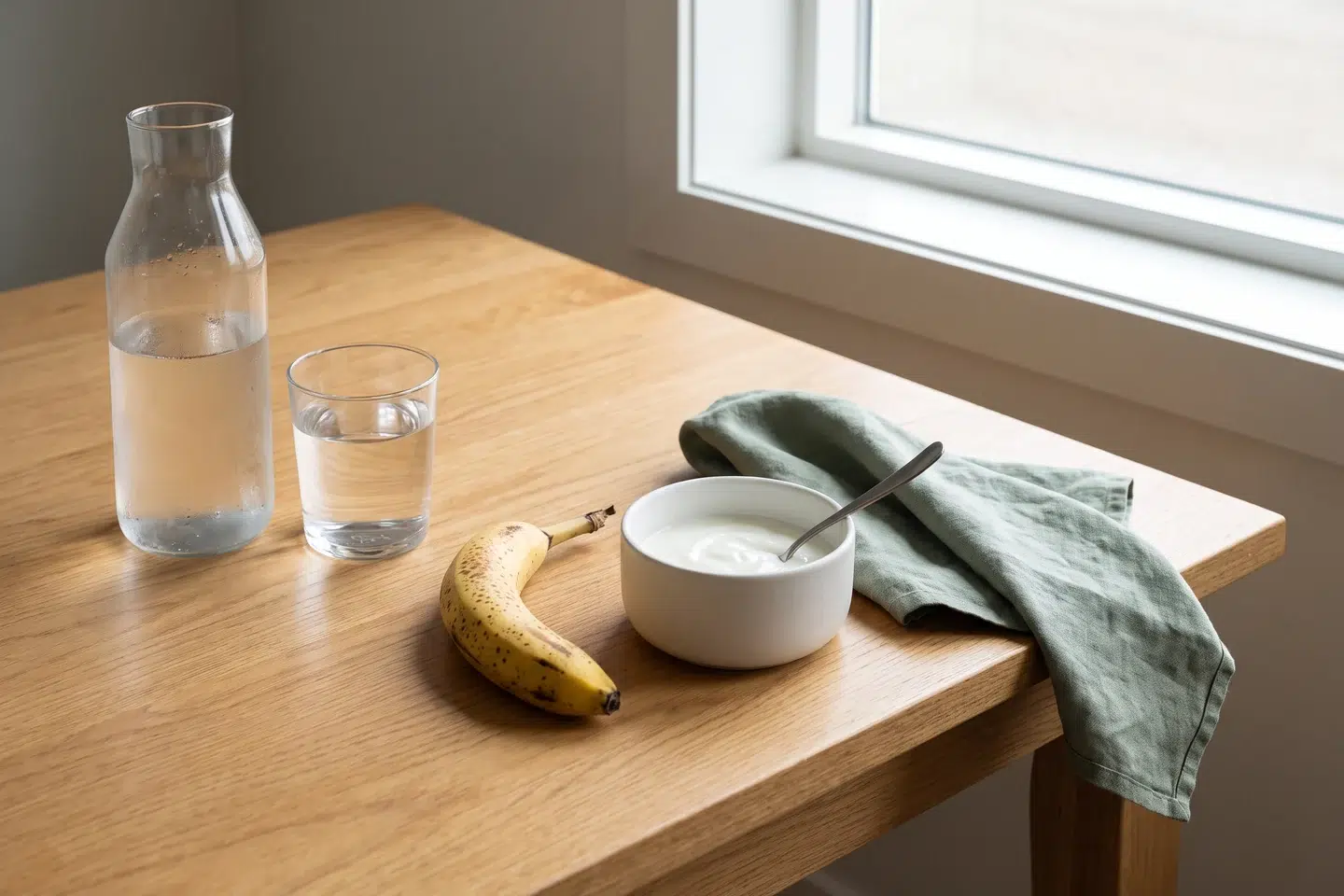
- Probiotic yogurts: Yogurts rich in probiotics they help strengthen intestinal flora, which improves digestion and reduces inflammation. Probiotics can help reduce symptoms of gastritis, such as heartburn and bloating.
- Low amounts of fiber: Whole grains, such as oatmeal or brown rice, can help regulate digestion. It is important to consume fibers in small quantities, because too much fiber can irritate the stomach.
The combination of these foods helps to reduce irritation, restore the lining of the stomach and improve the general condition of the digestive system.
What foods should be avoided with gastritis?
Certain foods can worsen gastritis symptoms and irritate the stomach lining, which is why they should be avoided:
- Coffee and caffeinated drinks: Caffeine stimulates the production of stomach acid, which can worsen symptoms such as heartburn and stomach pain.
- Alcohol: Alcohol can damage the lining of the stomach, causing inflammation and worsening gastritis. It is recommended to completely avoid alcoholic beverages in people with gastritis.
- Fried food: Fatty and fried food is difficult to digest and encourages excessive acid production, which further irritates the stomach.
- Hot spices: Spicy foods, such as chili peppers and spices like paprika, can cause serious irritation in people with gastritis.
- Carbonated drinks: Carbonated drinks increase pressure in the stomach and cause bloating, which worsens symptoms such as heartburn and discomfort.
Avoiding these foods helps reduce symptoms and allows the stomach to recover without further irritation.
What does the ideal menu look like for people with chronic gastritis?
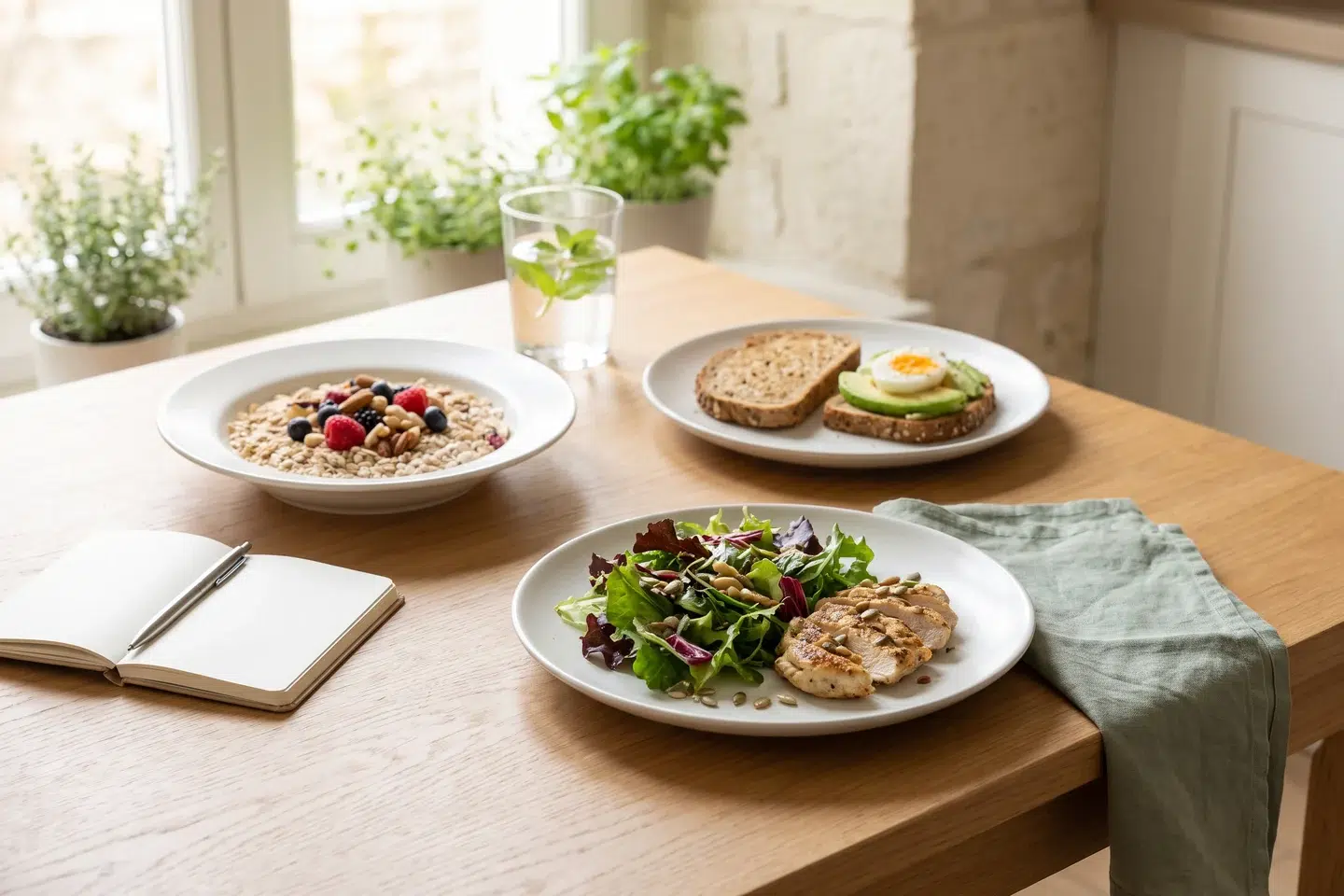
For people with chronic gastritis, the ideal menu should be rich in nutrients and at the same time adapted to avoid irritants that can worsen the condition. Here is an example of a daily menu:
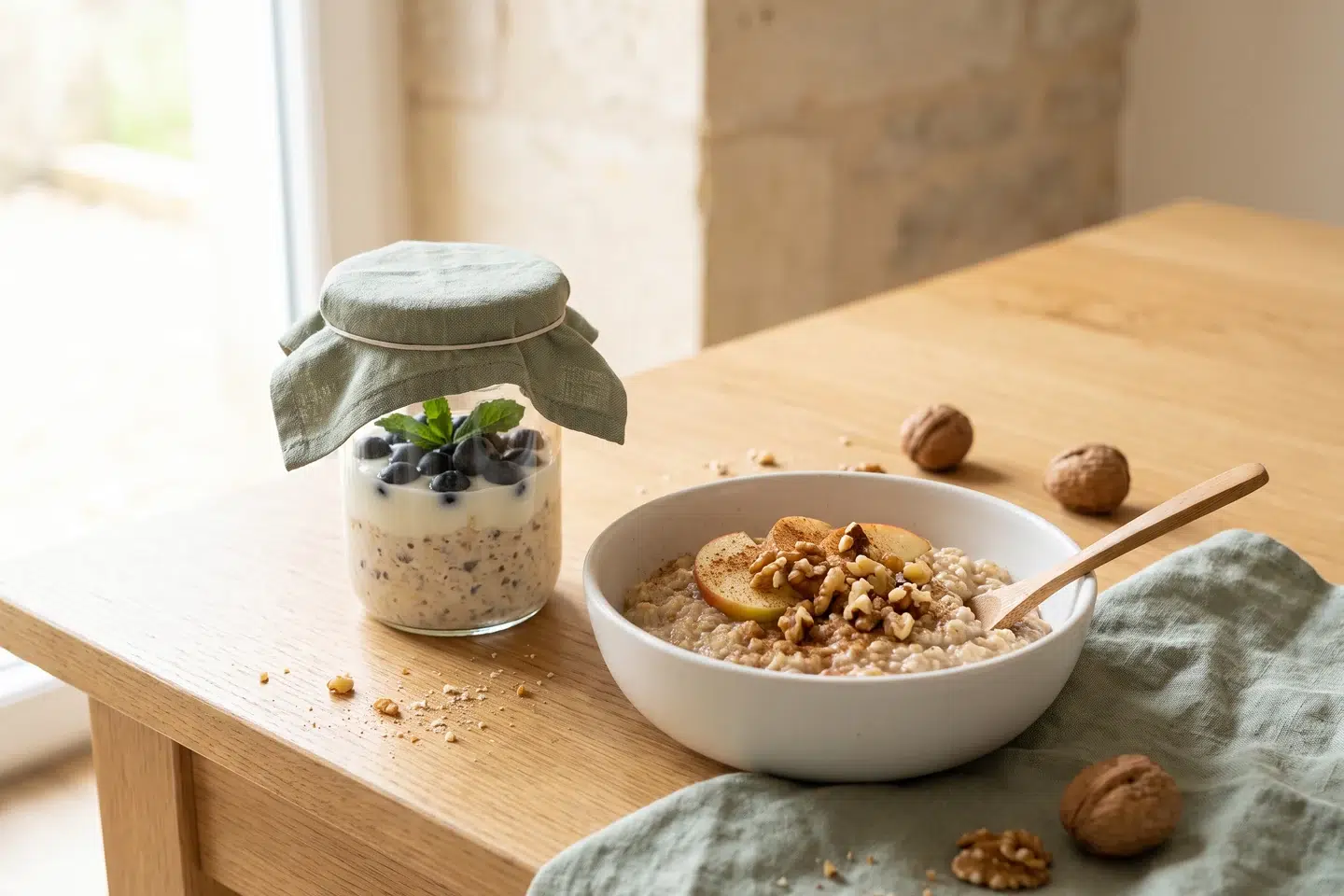
- Breakfast: Oatmeal with probiotic yogurt and some fresh fruit, like a banana. Oatmeal is rich in fiber, and the probiotics in yogurt help settle the stomach.
- Snack: A handful of almonds or walnuts. These healthy fats are easy to digest and provide energy without irritation.
- Lunch: Grilled skinless chicken with cooked vegetables (carrots, broccoli) and brown rice. This meal is easily digestible and provides the necessary protein, fiber and vitamins.
- Snack: Apple compote or baked apple no added sugar. Apples help regulate digestion and contain vitamins that strengthen the stomach lining.
- Dinner: Fish fillet (like salmon) with baked potatoes and cucumber salad. Fish is plentiful omega-3 fatty acids , which reduce inflammation, while potatoes and cucumbers do not cause irritation.
This menu includes all the key nutrients needed for recovery, and avoids foods that can further irritate the stomach.
Can a specific diet help with gastritis and stomach ulcers?
Diet for gastritis it can be extremely useful for people suffering from stomach ulcers. Stomach ulcer, like gastritis, requires a diet that reduces mucosal irritation and promotes its recovery. For this group of patients, the diet must be further adjusted to reduce the production of stomach acid and protect the stomach from further damage.
Recommendations for people with gastritis and stomach ulcers include:
- Eat smaller, more frequent meals: Eating smaller portions of food several times a day can help reduce pressure on the stomach and prevent excess acid production.
- Avoid irritating foods: Foods such as sour juices, tomatoes, spices, and fried foods should be completely eliminated from the diet. They can further damage the mucous membrane and prolong recovery.
- Focus on easily digestible foods: Cooked vegetables, whole grains, lean proteins and probiotics are key components to help restore the stomach lining and relieve symptoms.
This specific diet can significantly reduce the risk of further development of the disease and speed up the healing process.
When to see a doctor about gastritis?
Although proper nutrition can significantly alleviate the symptoms of gastritis, there are situations in which it is necessary to consult a doctor. If the symptoms do not go away or worsen despite a customized diet and taking the recommended medications, it is time to seek professional help.
Signs you should see a doctor include:
- Constant stomach pain: If the pain in the upper part of the stomach does not go away, even after changing the diet, it may indicate a more serious damage to the mucous membrane.
- Blood in the stool or vomit: The presence of blood may indicate an ulcer or injury that requires immediate medical intervention.
- Weight or appetite loss: Unexpected weight loss can be a sign that gastritis is becoming more serious.
- Symptoms of heartburn and reflux which persist despite medication.
In these cases, the doctor may suggest additional tests, such as gastroscopy, and adjust the therapy.
Tips for maintaining a healthy diet with gastritis in the long run
Maintaining healthy eating habits is key to the long-term management of gastritis. Here are some practical tips on how to stick to a proper diet and avoid the return of symptoms:
- Plan your meals in advance.: Always have healthy options on hand to avoid temptations in the form of fast and fried foods that can trigger symptoms.
- Eat slowly and chew your food thoroughly: Eating quickly can cause additional burden on the stomach, so it is important to eat slowly and chew food thoroughly to facilitate digestion.
- Avoid late meals.: Eating food right before going to bed can cause heartburn and other symptoms of gastritis. Try to have your last meal at least two to three hours before bedtime.
- Adjust the diet according to the stages of the disease: During periods of worsening symptoms, stick to simple and easily digestible foods, such as cooked grains, vegetables and lean meats. In the phases when the symptoms subside, you can gradually introduce a wider variety of foods, but always be aware of possible triggers.
- Hydration is key.: Drink plenty of water throughout the day to support digestion and prevent dehydration, which can worsen symptoms.
These habits can help maintain stomach health in the long run and prevent future complications.
In short
Proper nutrition plays a key role in managing the symptoms of gastritis and preventing its complications, such as stomach ulcers. Focusing on foods that calm inflammation and do not irritate the stomach lining, such as cooked vegetables, lean proteins, and probiotics, can significantly improve the quality of life of people with gastritis. Also, avoiding foods that aggravate the condition, such as coffee, alcohol and fried foods, helps maintain stomach health in the long run. By following the recommended menu and tips for maintaining a healthy diet, people suffering from gastritis can reduce the frequency of symptoms and improve their overall health.
Fitt Pro Team offers two nutrition plans that can be a great support. It's the first ByeBye Weight for those who want healthy weight loss, while the other Hello Balance for everyone who wants a balanced diet without strict restrictions.